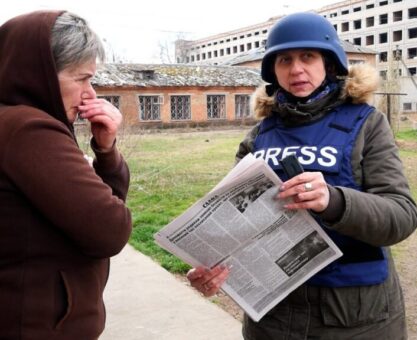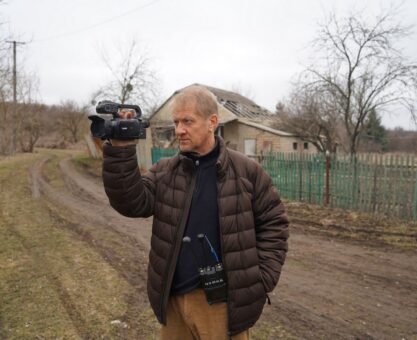



Nighttime air raids and explosions in the Odesa region are changing the rhythm of life across the entire area. For the journalists at Rayon.Podilsk, this means working in a state of constant readiness while remaining a team that supports one another and continues to keep the community informed.
Under these conditions, the newsroom has developed its own system: mutual support and flexible working arrangements help preserve the team, maintain stability, and stay connected with readers — even when part of the community is living abroad.
We spoke with Rayon.Podilsk journalist Yevhen Nazarenko about the challenges of working during wartime, safety practices, the connection with the community, and what dignity means in journalism.
The Newsroom During an Air Raid Alert
Yevhen says:
— Because of nighttime attacks, there are times when our journalists don’t get any sleep at all. For situations like these, we have a system of mutual support and flexible working arrangements in place. In today’s reality, this is critically important for keeping the team together.
Safety has, of course, become part of our everyday routine:
— We constantly monitor the operational situation. If the threat is short-lived, we can continue working while taking the necessary precautions. But if an air raid alert continues for a long time or we receive information about a serious danger, we immediately arrange a move to a safer location.
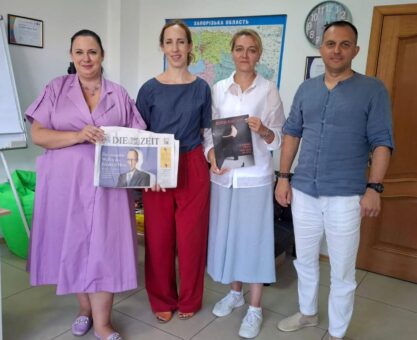
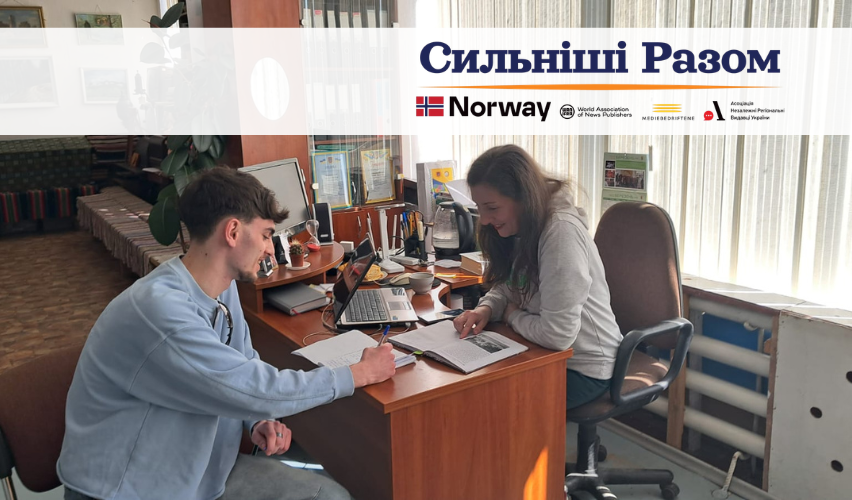
Despite the war, the newsroom continues to develop and invest in knowledge and skills that can save lives. According to Yevhen, the educational and mentoring programs of the Association of Independent Regional Publishers of Ukraine have played an important role in this process. The newsroom’s representatives took part in trainings on safety, psychological resilience, and the use and development of AI tools.
Related reading: Safety Training in Lviv: Journalists Practiced Resuscitation and Stopping Bleeding
— We are taking part in the “Stronger Together” project, where we are developing the Odesa network. The support of the Association is extremely important for our growth. For example, the Rayon.Podilsk Facebook page reached one million views in a month — something that had never happened before within the Odesa network.
Regular training helps reduce risks during field assignments and gives us more confidence in our daily work.
— Personally, I have completed several first aid training courses, — says Yevhen. — My colleagues have similar experience as well: they have undergone MARCH protocol training and courses in psychological first aid provided by the Red Cross.
Between Ethics and Security
In the newsroom’s work, as in that of many Ukrainian media outlets, there is a constant challenge of finding the balance between informing the public and ensuring safety. Publishing footage from the sites of missile strikes can give readers a clearer picture of events, but it can also create risks for the community.
— We are very cautious when covering the locations of strikes. It is better to assess all the risks beforehand and refrain from publishing certain footage than to later rush to delete it, — says Yevhen.
The Rayon.in.ua network is built to cover the entire Odesa region. It includes a group of websites, with each district having its own platform and Facebook page that are updated daily. This structure allows the network to stay as close to the community as possible while maintaining a coordinated workflow.
The most difficult topics to cover are the deaths of military personnel.
— I’ll put it this way: in our Podilsk district, there are rarely any weeks that pass without a funeral…
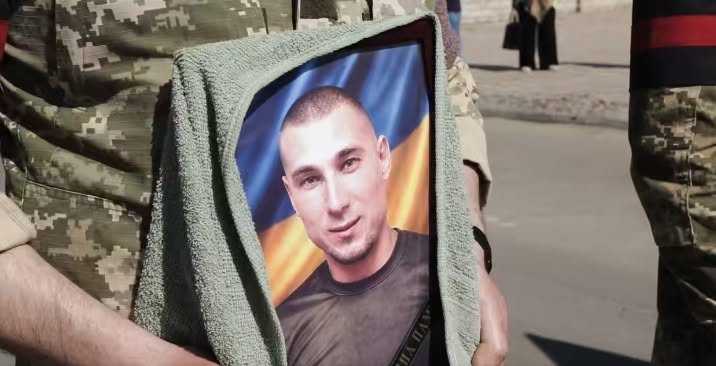
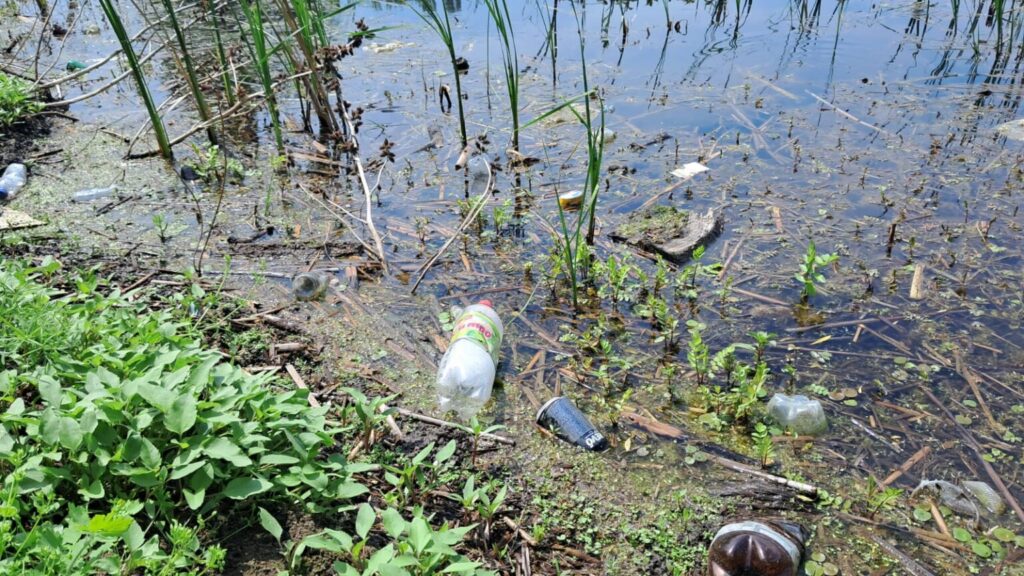
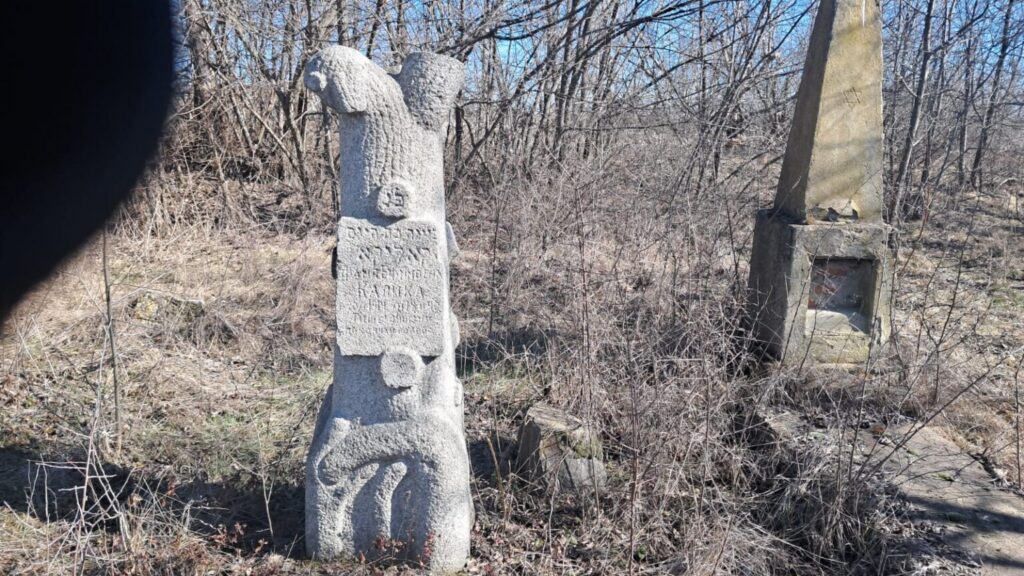
However, alongside the daily tragic news about fallen military personnel, Rayon.Podilsk also actively covers a wide range of other topics — from environmental issues and sports to local history and cultural events. This creates a broader picture of community life, where, alongside loss, there are also stories of development, remembrance, and everyday life.
Local Commitment and Psychological Resilience
The newsroom operates on the principle of local responsibility, which helps build trust and allows the team to respond quickly to events.
— I cover the Podilsk district — I’m local, I was born and raised here, so I understand the specifics of the community well. We are constantly in touch, support each other, and share contacts.
Given the constant challenges, journalists are looking for ways to recover psychologically that fit their pace of life. For some, it may be spending a few hours in a local park or in the yard after a night of air raid alerts — a simple connection with “normality” that helps restore a sense of stability. Others find strength in short meetings with friends or neighbors who are going through the same circumstances.
— For others, on the contrary, a “day of silence” is what they need — completely stepping away from the information flow and from people, — says Yevhen.
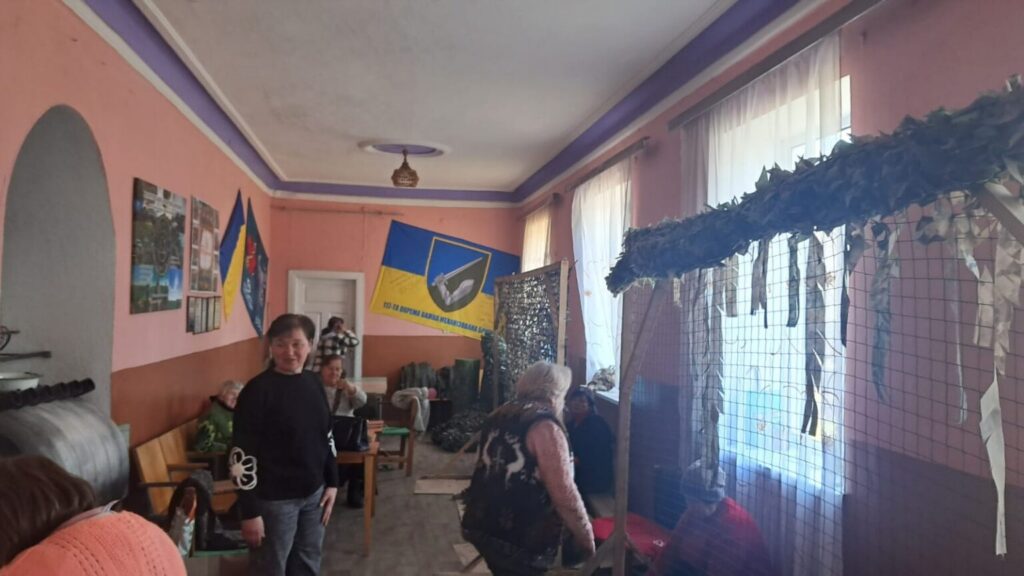
Despite all the challenges, journalists need an inner source of strength. At the end of our conversation, we asked Yevhen what journalistic dignity means to him:
— For me, journalistic dignity means having the opportunity to cover truly important topics. Doing this honestly, with quality and professionalism — that is what dignity is.
On What Matters
Colleagues, a reminder: journalists working in high-risk regions have the opportunity to obtain free life and health insurance. This is part of the International Insurance Fund for Journalists (IIFJ) initiative, implemented in partnership with Ukrainian and European organisations.
Media professionals working in Kherson, Zaporizhzhia, Sumy, Mykolaiv, Donetsk, Luhansk, Odesa, Kharkiv, and Dnipropetrovsk regions, as well as border areas of Kyiv and Chernihiv regions, can apply. More information about the terms of free insurance is available here.
This article is part of a series of publications on the work of regional media in wartime conditions, safety protocols, and the psychological resilience of journalists. We have already published interviews with Zarina Zabrisky (Parts One and Two), Oleksandr Kachura, Vladyslav Safronov, Natalia Bilokudria, Serhii Horbatenko, Yevhen Khrypun, Anna Kaliuzhna, Polina Kulish, Nadia Sukha, Nadiia Karpova, Oleksandr Solomko (Parts One and Two), Diana Butsko, Oleksii Pasiuha, Oleksandr Chubukin, Aliona Serhiienko, Olha and Serhii Sydorov, Yevheniia Hrytsyna, Nataliia Kryvoruchko, Inna Shvydka, Pavlo Kliuchnyk, Larysa Hnatchenko, Diana Deliurman, Viktoriia Hnatiuk, Mariia Shevchenko, Anna Matviienko, Nastya Stanko, Iryna Sytnik, and Svitlana Tomash.
As a reminder, the International Insurance Fund for Journalists, implemented by the Association of Independent Regional Press Publishers of Ukraine, is part of the Voices of Ukraine / SAFE support program, coordinated by the European Centre for Press and Media Freedom. Voices of Ukraine / SAFE is implemented within the Hannah Arendt Initiative and supported by the German Federal Foreign Office