


Despite the war, the newsroom highlights stories of resilience — from a female farmer driving a tractor to veterans returning to work
Visti Prydniprovya is one of the oldest regional media outlets in the Dnipropetrovsk region. Today, it has brought together journalists from different regions, supports colleagues from the Kherson region, and shows that life goes on even in the most difficult conditions.
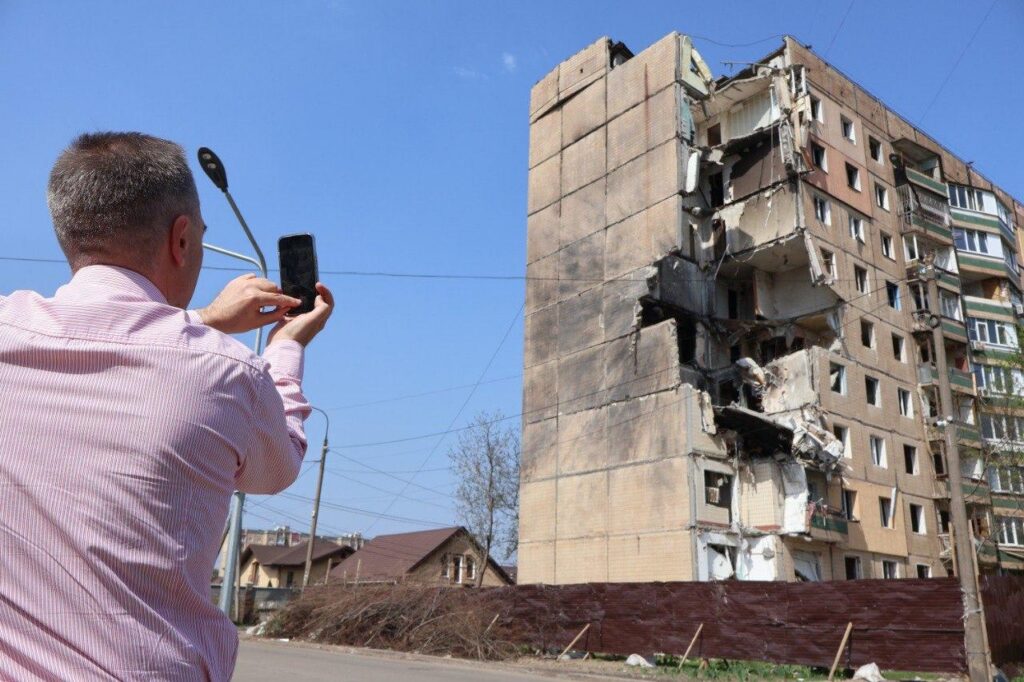
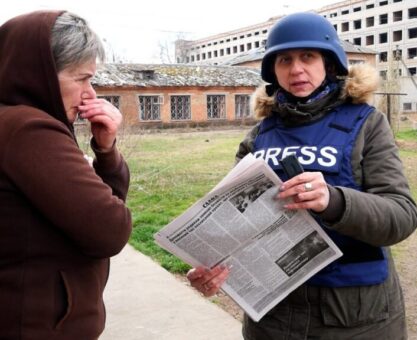
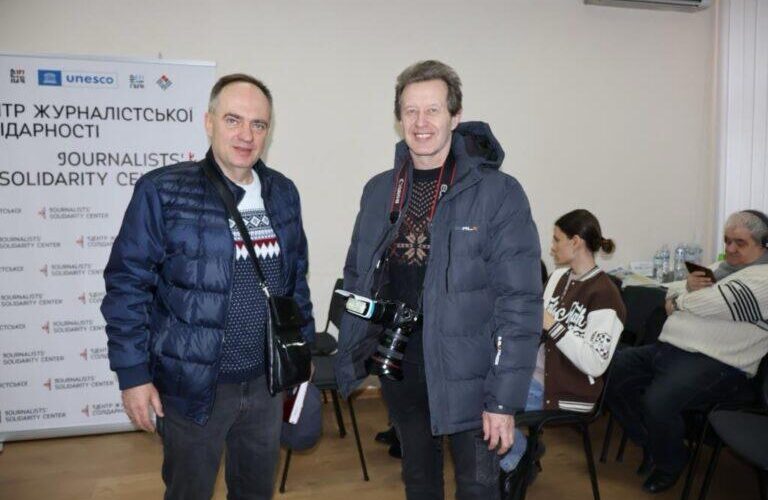
The team has repeatedly experienced strikes on the office and on employees’ homes, but continues to work while following internal safety protocols. Journalists are equipped with body armour, helmets, first aid kits, and even drone detectors, and they regularly undergo training in mine and medical safety.
“We received certifications and invited colleagues from hyperlocal media and students so that the training would have a broader reach,” the team at Visti says.
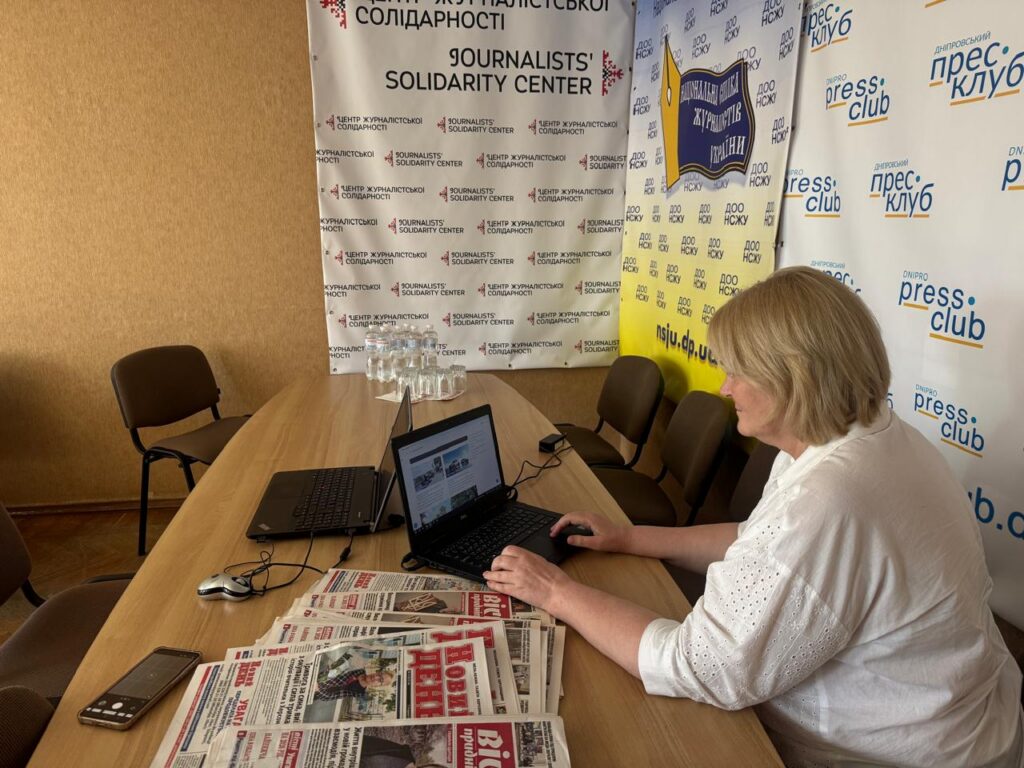
Despite the danger, the newsroom continues to look for examples of resilience and the will to live. We spoke with the editor-in-chief of the publication, Oleksii Kovalchuk, about daily challenges and how they are addressed.
Self-organization and mutual support
Visti Prydniprovya has become an example of how regional media can self-organize and support one another. The team collaborates with the newsrooms of Mezhivskyi Meridian, journalists from Zhovti Vody, and Volnovakha City. This cooperation includes mutual support with housing and resources, joint projects, and the exchange of materials. It gives even the smallest hyperlocal newspapers a chance to survive.
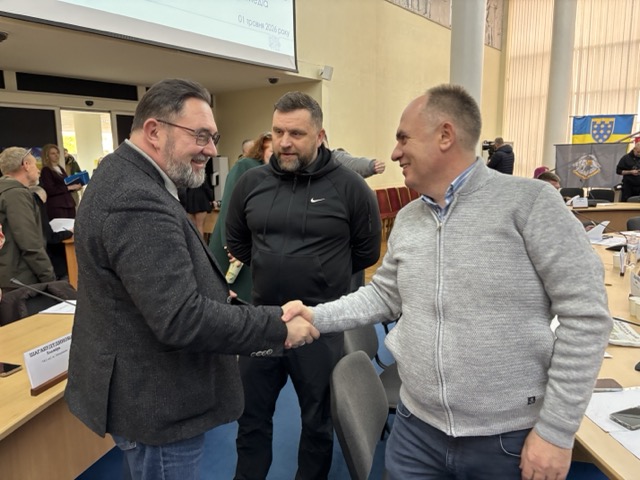
In 2026, Visti Prydniprovya took on responsibility for publishing Novyi Den — an independent newspaper from the Kherson region. Its editor-in-chief, Anatolii Zhubyna, was unable to continue his work due to his age and the ongoing war, so the team from Dnipro and Kryvyi Rih decided to support their colleagues. “There is an audience, there are readers, there is a need. Let’s try to lend a helping hand,” recalls Oleksii about the discussion in the newsroom.
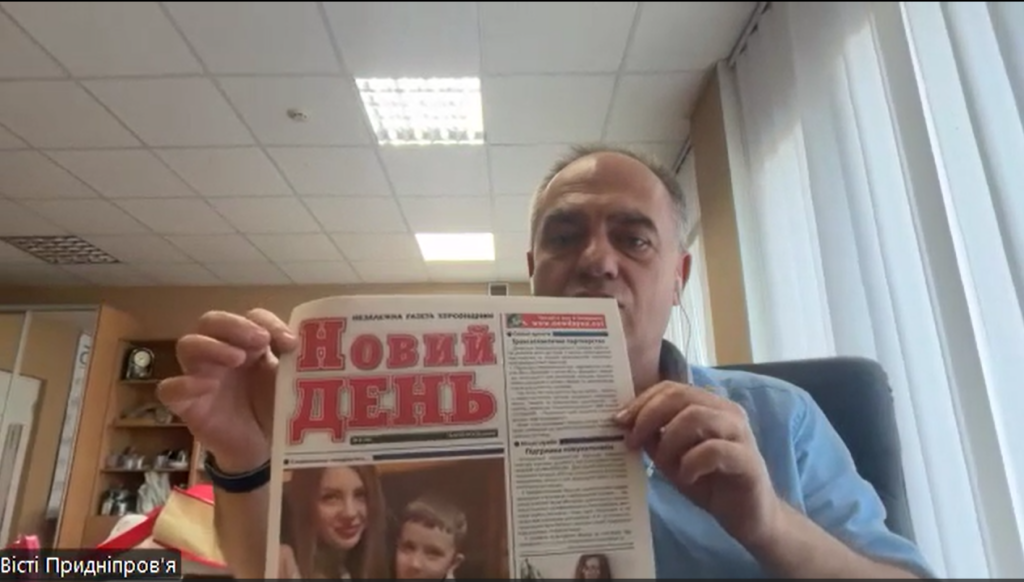
Relocated journalists from Kherson are working in Dnipro, Kryvyi Rih, and Zaporizhzhia. Layout is handled by technical specialists from the Zaporizhzhia region, while the newspaper’s design has been updated by displaced professionals from Kherson. The publication has resumed regular printing — it now comes out every Thursday, has subscriptions, and is even sold in retail through Ukrposhta. Demand for the print version in the Kherson region turned out to be even higher than in the Dnipropetrovsk region.
Survival without advertising
Before the full-scale war, Visti Prydniprovya was among the first to undergo de-state-ownership reform. But today, the advertising market has effectively disappeared. “What kind of advertising can we talk about when businesses are destroyed and print media survive only thanks to donor support,” says Oleksii.
Online platforms still receive occasional orders, but it is not enough. The main source of funding has become grant projects — from coverage of war crimes to topics of social cohesion and community recovery. According to the editor-in-chief, up to 70% of the budget now comes from such projects.
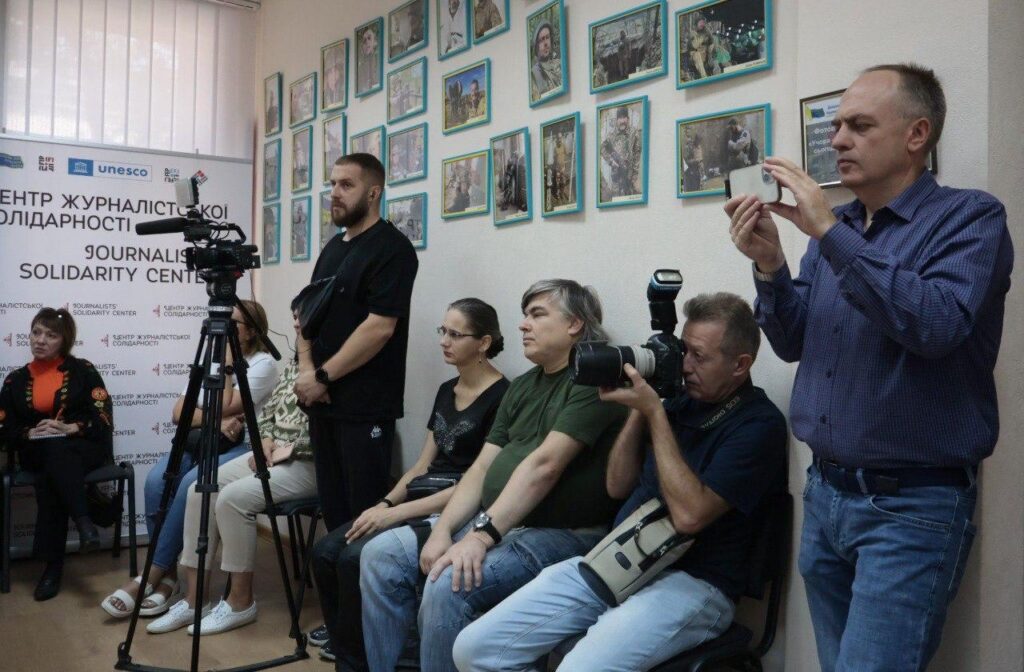
After the staff was reduced from 65 to 15 people, the workload only increased: the team launched new online platforms and began supporting relocated newsrooms. “We survive thanks to projects so that newsrooms don’t disappear,” say the team at Visti Prydniprovya.
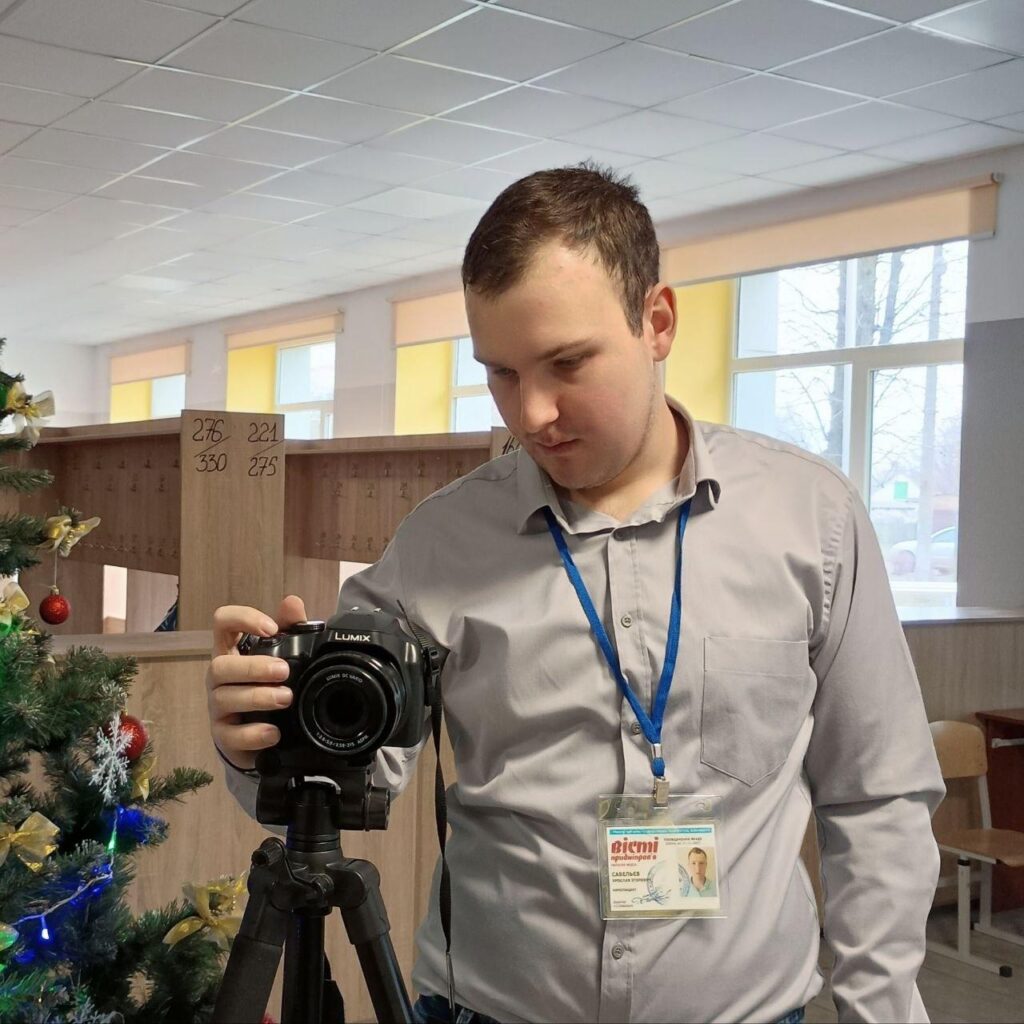
In search of examples of resilience
The newsroom deliberately avoids focusing on daily reports about shelling in order not to duplicate Telegram channels. “War is war, but life goes on. We want to show that people shouldn’t give up,” adds Oleksii.
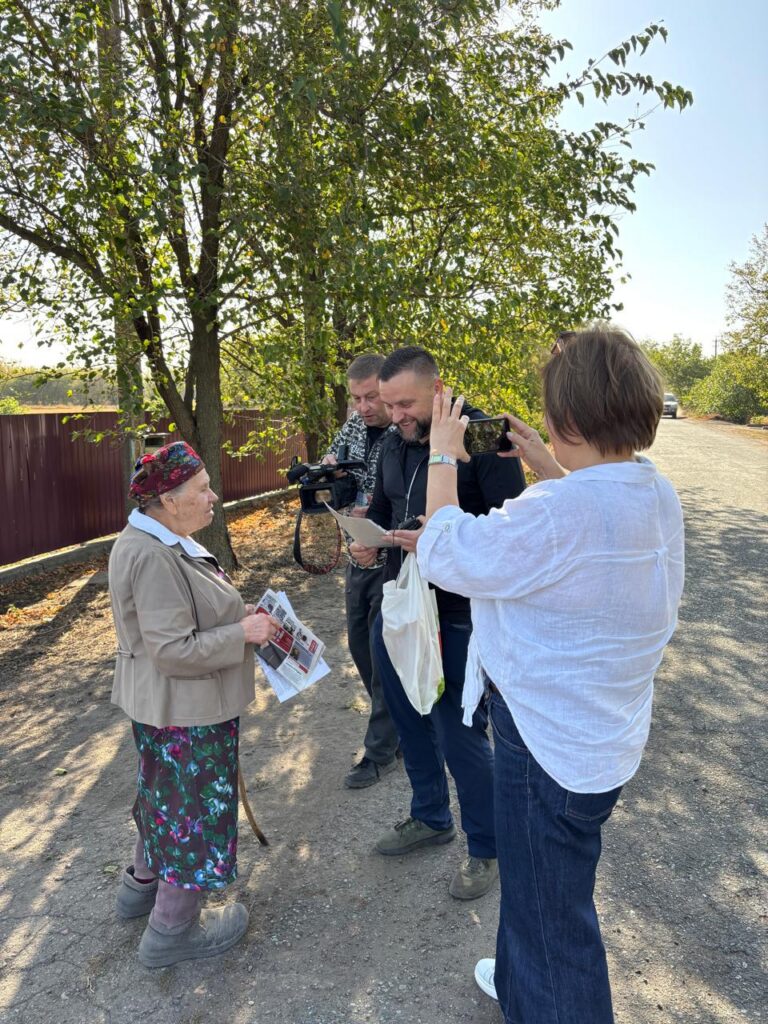
Alongside news about court proceedings related to war crimes, the newsroom also publishes stories about social cohesion in communities that are rebuilding schools or launching new initiatives for internally displaced people.
The media covers recovery as well — from schools to the mental health of displaced people, and efforts to preserve a sense of normalcy in extraordinary circumstances. At the same time, agricultural stories also appear in its reporting: farmers who continue working despite losses, and women who take over households after the deaths of their husbands.
Attention is also given to cultural heritage — the revival of the Mykolaiv decorative painting tradition and local artistic practices that have become symbols of resilience. There are also pressing social issues, such as education reform in Ukraine, which sparks debate in communities and requires fair, balanced coverage.
All of this forms a distinct editorial approach: showing reality through examples of strength, humanity, and the will to live.
The story of Visti Prydniprovya shows that even in the most difficult conditions, self-organization helps regional and local media not only survive, but also create new platforms and find topics that give readers hope.
Make Sure You’re Insured
Colleagues, a reminder: journalists working in high-risk regions have the opportunity to obtain free life and health insurance. This is part of the International Insurance Fund for Journalists (IIFJ) initiative, implemented in partnership with Ukrainian and European organisations.
Media professionals working in Kherson, Zaporizhzhia, Sumy, Mykolaiv, Donetsk, Luhansk, Odesa, Kharkiv, and Dnipropetrovsk regions, as well as border areas of Kyiv and Chernihiv regions, can apply. More information about the terms of free insurance is available here.
This article is part of a series of publications on the work of regional media in wartime conditions, safety protocols, and the psychological resilience of journalists. We have already published interviews with Zarina Zabrisky (Parts One and Two), Oleksandr Kachura, Vladyslav Safronov, Natalia Bilokudria, Serhii Horbatenko, Yevhen Khrypun, Anna Kaliuzhna, Polina Kulish, Nadia Sukha, Nadiia Karpova, Oleksandr Solomko (Parts One and Two), Diana Butsko, Oleksii Pasiuha, Oleksandr Chubukin, Aliona Serhiienko, Olha and Serhii Sydorov, Yevheniia Hrytsyna, Nataliia Kryvoruchko, Inna Shvydka, Pavlo Kliuchnyk, Larysa Hnatchenko, Diana Deliurman, Viktoriia Hnatiuk, Mariia Shevchenko, Anna Matviienko, Nastya Stanko, Iryna Sytnik, Svitlana Tomash, Olesia Bida, and Yevhen Nazarenko.
As a reminder, the International Insurance Fund for Journalists, implemented by the Association of Independent Regional Press Publishers of Ukraine, is part of the Voices of Ukraine / SAFE support program, coordinated by the European Centre for Press and Media Freedom. Voices of Ukraine / SAFE is implemented within the Hannah Arendt Initiative and supported by the German Federal Foreign Office