


This story is not only about a local newsroom, but about a true «living voice» of the community in the Sumy region — one that informs, supports, saves lives, and gives people the strength to keep going. The team continuously covers the consequences of the Russian invasion and, despite all challenges, strives to grow and produce high-quality content. Journalists follow their own safety protocols and are required to regularly attend safety trainings provided by the Association of Independent Regional Press Publishers of Ukraine (AIRPPU) and the International Insurance Fund for Journalists.
«Yampil.INFO» is a media outlet that dates back to 2011. At that time, the team founded the Yampil Information Agency — a local publication for a small district with a population of around 20,000 people.
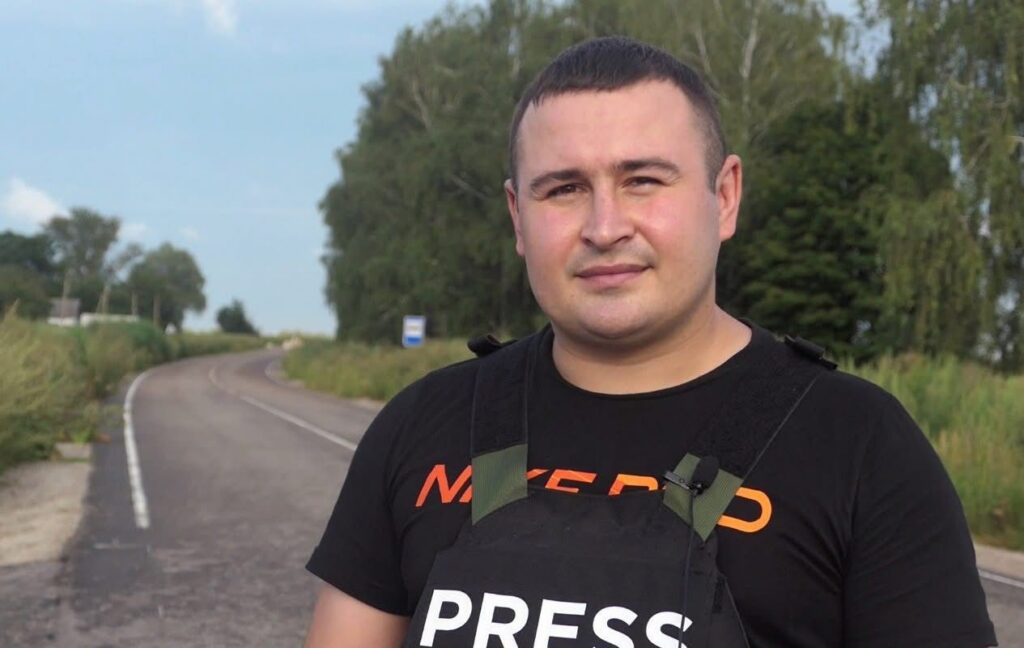
— When we started, the region was divided into 18 districts, and we operated within just one small area. It was a classic local story, — recalls Editor-in-Chief Oleksandr Solomko.
Reporting from the border and a new role for media
In 2020, following the administrative-territorial reform, several districts were merged into a larger one — Shostka district. But the full-scale war became a turning point for the newsroom.
— After the invasion began, we effectively started to grow. Not because we had planned it that way, but because there was a need. Many journalists from border areas left, and local communities were dominated by print outlets that simply disappeared due to the security situation. We had to act here and now, because verified information was critically needed — like a breath of air, — explains Oleksandr.
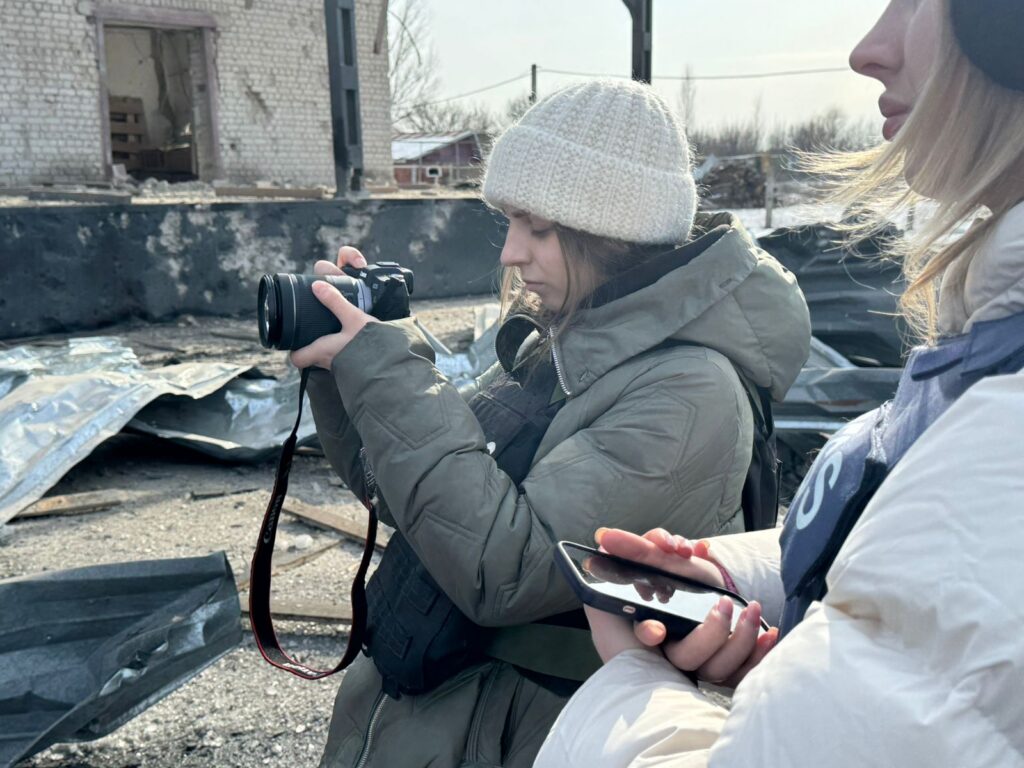
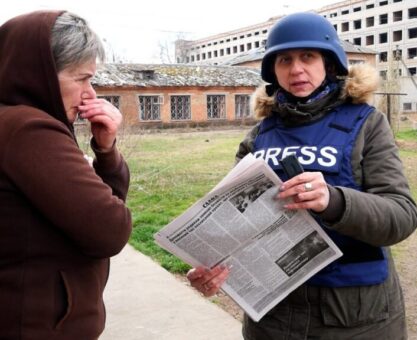
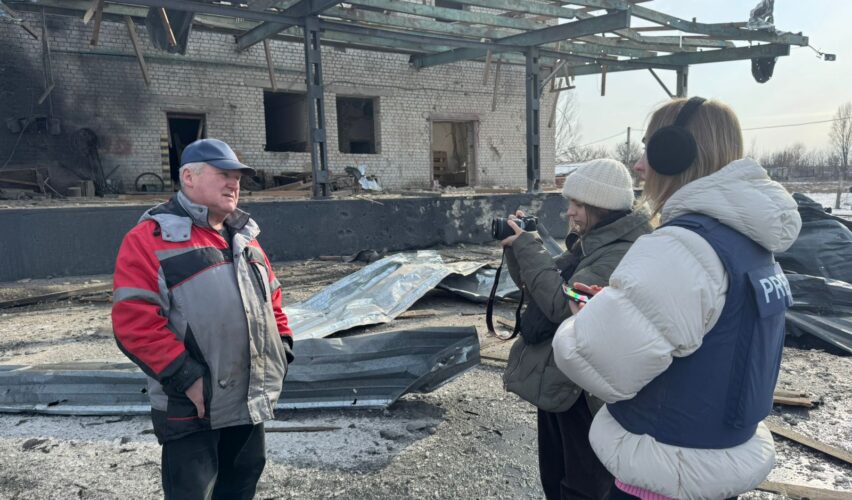
Starting from April 2022, the team began travelling to border communities in the Sumy region — documenting the aftermath of shelling, recording destruction, and speaking with local residents.
— We were working almost right next to the border. There were moments when we stood with locals filming a report: a river nearby — and just beyond it, Russian territory, — he recalls.
The newsroom noticed that their content was widely read and republished across the entire Shostka district — often without attribution and with logos removed.
— We realized that a large district was already reading our news. And that’s when the idea emerged: if we are already perceived as a source of information for the entire district, let’s officially work for all ten communities, — says the editor. — This is how, in just two years, the media outlet «Yampil.INFO» evolved from a local website into a district-level multimedia platform «NA MEZHI».
From a website to digital television
The team started with just three people. Today, it has grown to 11, including three field reporting crews working on the ground. Two are based in key cities of the district, while a third is mobile, covering the entire area. There are also newsroom-based journalists and correspondents working within local communities.
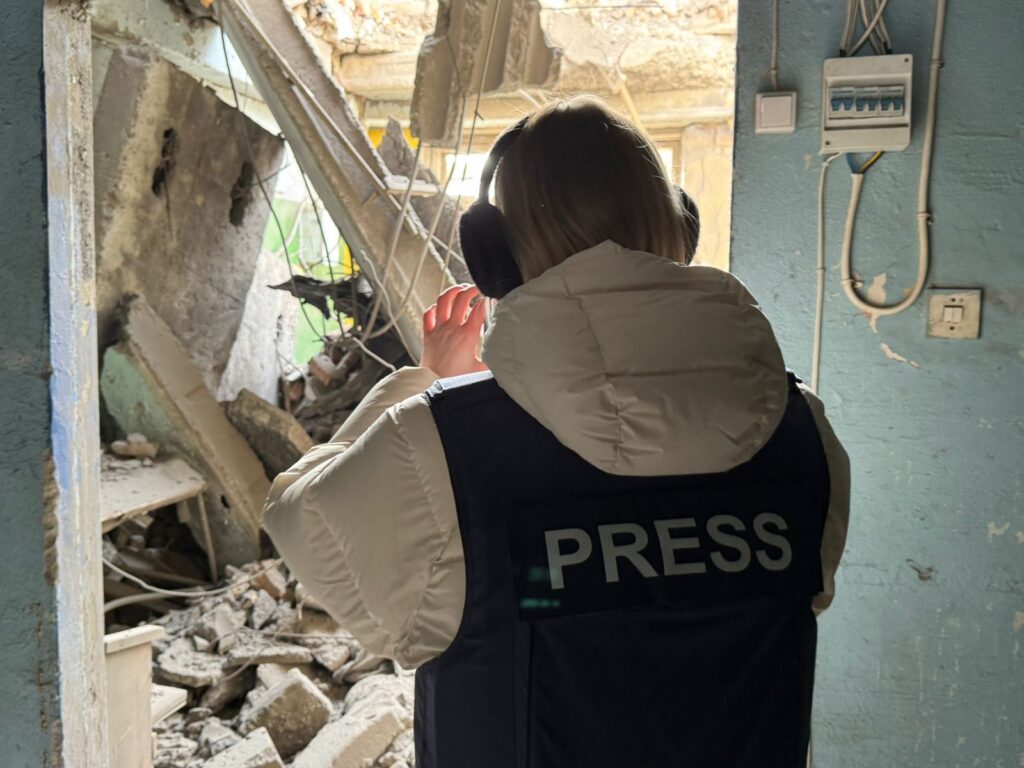
They produce local news every day not only in text, but also in video format — on YouTube and Facebook — creating reports and special editions.
— We already see ourselves as a local digital television outlet that works quickly, responding to the needs of the audience. Here and now. And we have a great team to make that happen, — the editor emphasizes with pride. — And thanks to having people in different parts of the district, we are often the first to learn about events and report directly from the scene, rather than retelling others’ information.
Filming under fire and new safety rules
In 2022, the newsroom активно worked directly in border areas. Over time, the situation changed.
— When sabotage and reconnaissance groups began to enter, and later drones became more active, we stopped traveling so frequently close to the border. But the war came to us on its own, — he says.
Today, almost the entire Shostka district is within the strike zone. Shelling now occurs even in cities that were previously considered relatively safe. Due to constant drone “hunting,” it has become dangerous even to step outside.
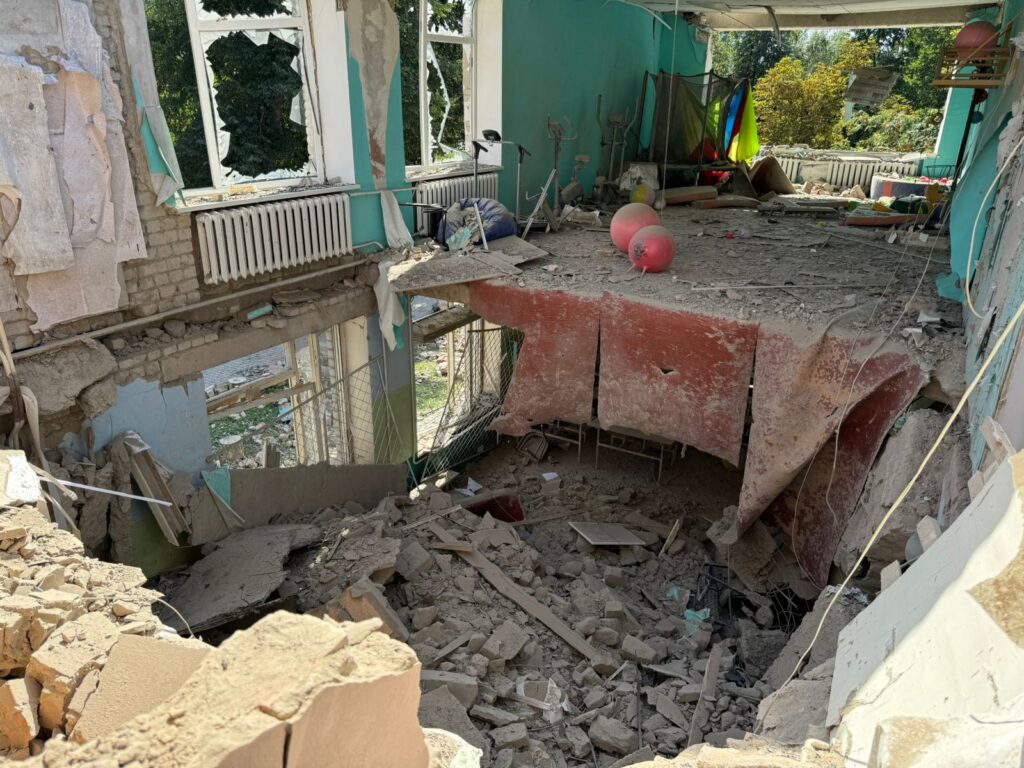
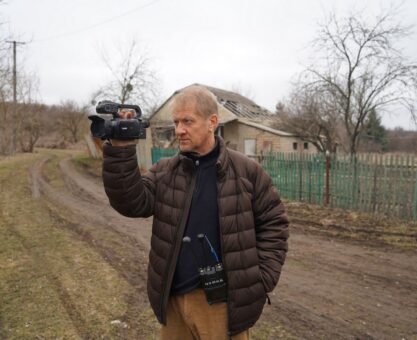
— We always carry cameras and equipment with us. Filming has to be fast, often on phones or lightweight cameras with video capabilities, because shelling can start at any moment. You need to get there quickly, film, and document everything. We also cooperate with major national media, including television, so we provide them with unique footage as well, — explains Oleksandr Solomko.
Insurance for journalists is a necessity, the importance of which cannot be overstated, Oleksandr emphasizes. The fact that the International Insurance Fund for Journalists has provided such opportunities throughout the full-scale war — enabling journalists to be insured — is, in his words, a significant contribution to preserving freedom of speech. However, the challenge is that border media often have to act impulsively.
— Most of the time, we do not plan assignments in advance. For example, we may be preparing a civilian story, and suddenly — an explosion on the next street. There is no time for procedures — you grab your camera and go. And that is quite risky, because you never know when or where the next strike will hit, — he says.
Trauma nearby and personal loss
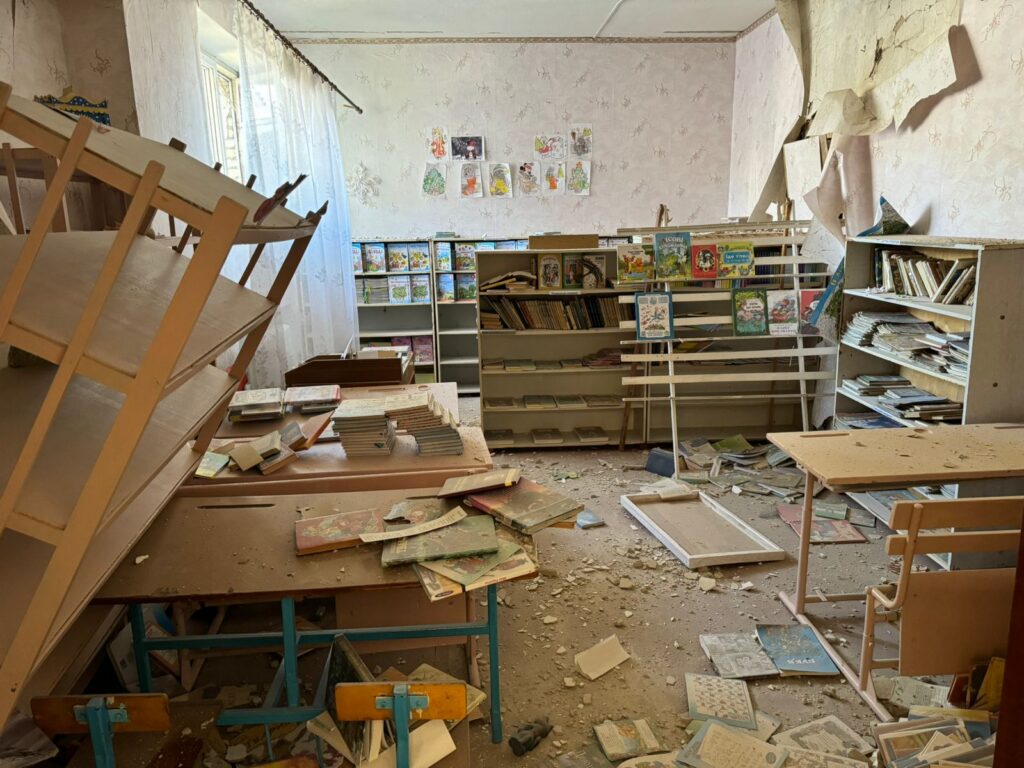
The most difficult moments, he admits, are documenting the aftermath of strikes when there are casualties — often civilians, and sometimes people you know.
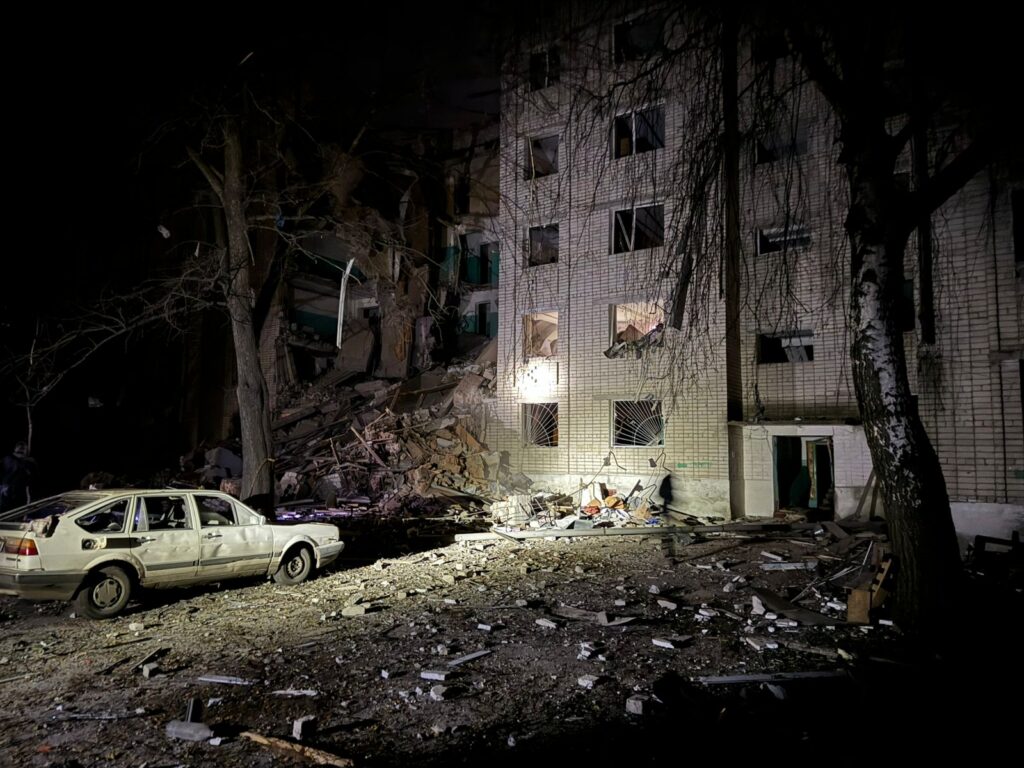
During the conversation, Oleksandr recalls one such incident that took place in November 2024 in Hlukhiv.
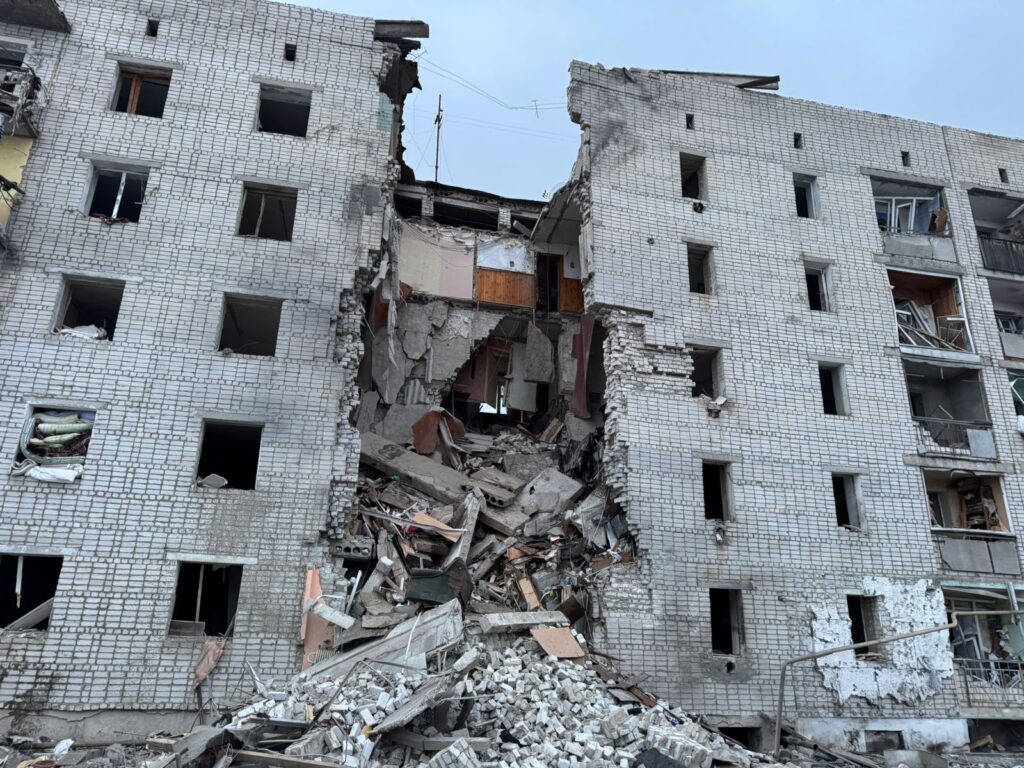
— Two «Shahed» drones struck a dormitory where internally displaced people were living. Twelve people were killed, including a child. During the debris clearance, rescuers found the child’s letter to Saint Nicholas. She had asked for very little — sweets and a toy train. These items were brought to her funeral to fulfill her last wish. These images are impossible to forget. The whole country was in tears, — he says, pausing.
The pain that journalists carry is deeply felt. These are not stories one can become accustomed to. Such scenes cannot be processed with detachment — they stay with you, etched into memory, returning again and again. Journalists are forced to carry this pain within themselves and continue working… so that the world can see that, even in an age of rapid technological progress, such brutality and violence are still inflicted on people who simply want to be Ukrainian.
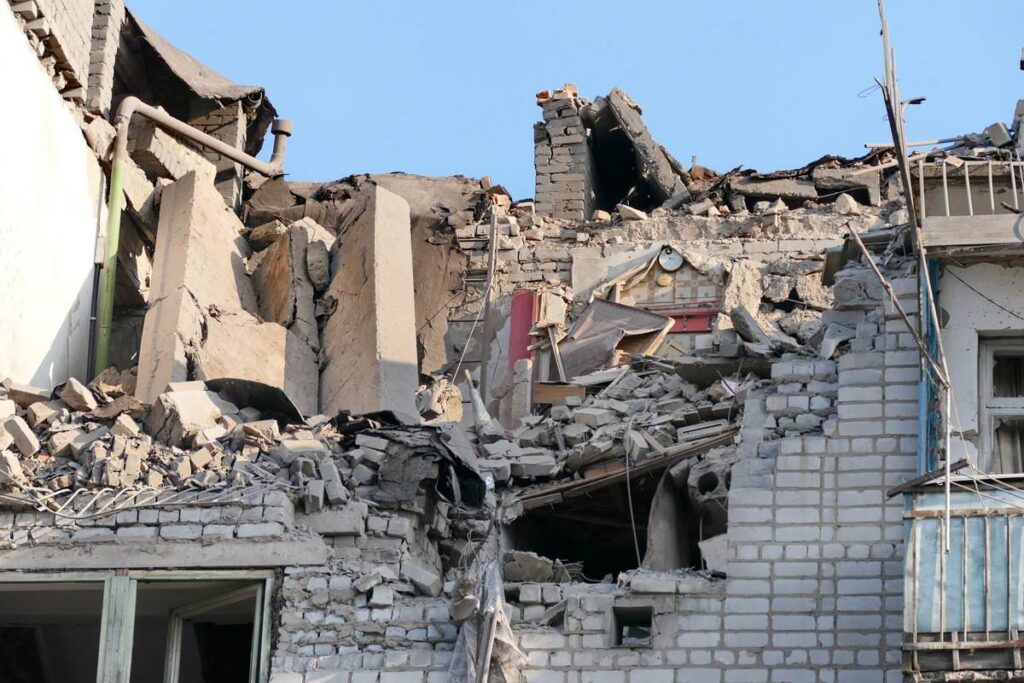
The team also regularly covers military funerals and civilian tragedies, effectively creating a daily chronicle of the war — one that must be preserved for future generations.
— There are moments when a cameraman says, “I can’t do it.” When there are three coffins at once — a mother and her children. Or several soldiers. It is terrifying, especially psychologically, — the editor admits.
Psychological support and team survival
The war has, of course, directly affected the journalists themselves.
Some team members have lost their homes, others have lived through multiple shelling incidents and were forced to leave during periods of escalation and enemy advances in the Sumy region. People need constant psychological support.
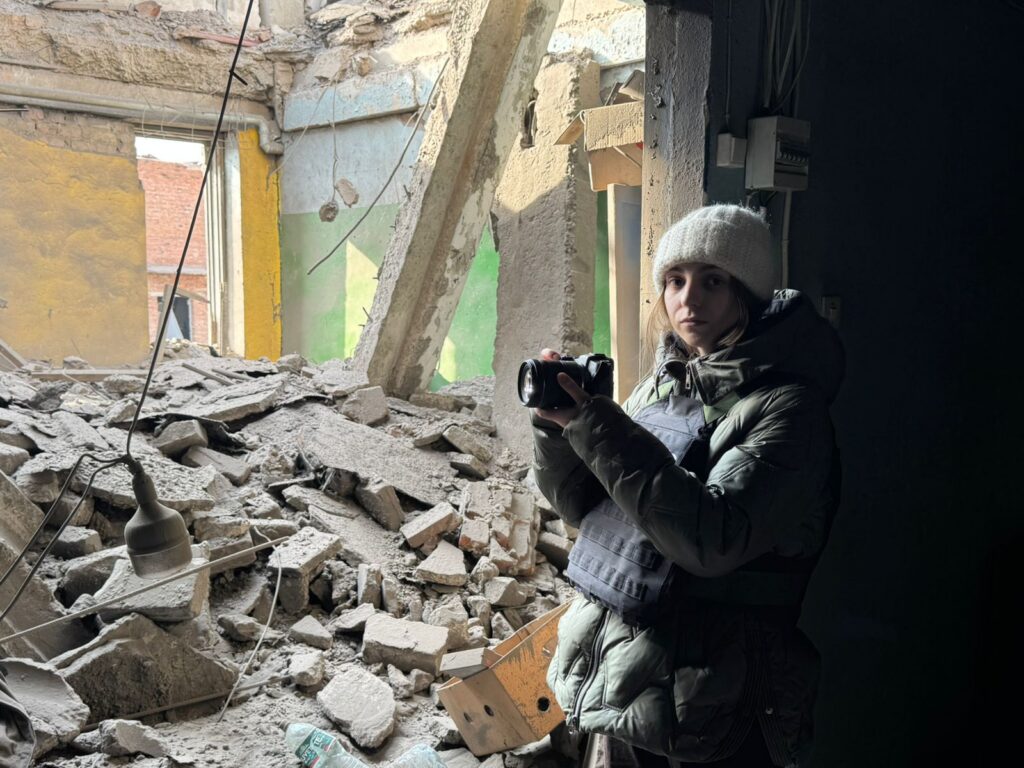
— This is not a one-time situation. Systemic support is needed, because a person may begin to recover — and then shelling starts again. And once more, it’s the same: we keep working despite exhaustion, despite threats at every step, constantly worrying about our families at the same time, — explains Oleksandr Solomko.
At the beginning of the full-scale war, only a handful of professional journalists remained in the district. As a result, the newsroom began training people without a journalism background.
— We brought in people from other fields and trained them practically from scratch. And they grew very quickly, — says the editor.
The newsroom has already gone through several critical periods. In the autumn of 2024, when there was a real threat of a new offensive, part of the team had to relocate. This decision was made to preserve both the people and the media outlet.
— At that time, we split the work: part of the team relocated and worked remotely, while others stayed on the ground to film. That is what saved us. In general, we agreed that in case of an increased threat of a major offensive, women with children would leave, while the men would stay, continue filming, documenting events, and transferring materials to colleagues working remotely, — Solomko explains.
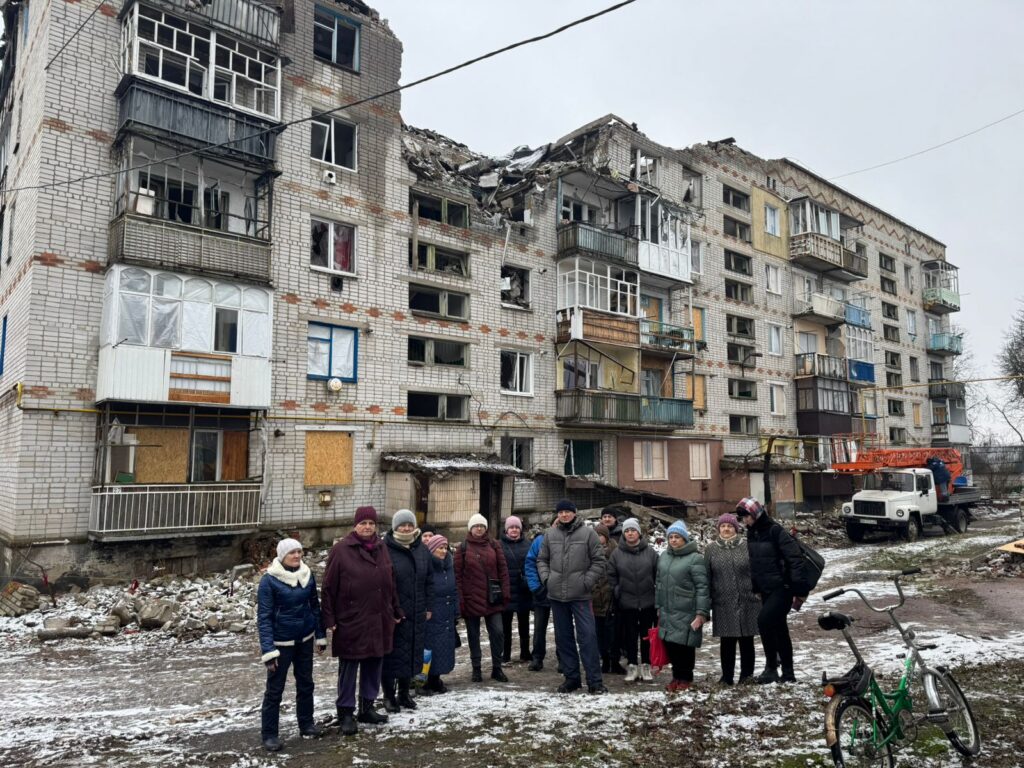
The team is once again discussing different scenarios — whether to stay, partially relocate, or wait for stabilization.
— It is very hard to leave your home. But when a drone explodes 20 meters away, the decision about safety becomes obvious, — says Oleksandr Solomko.
«At first they asked us not to film. Later — they asked why we didn’t come»
One of the most striking changes the newsroom has experienced over these years is how people’s attitudes toward media have evolved. At the beginning of the war, residents of villages would sometimes ask journalists not to film. Now, they want to be heard.
— I remember we would arrive in a village, and people would say: «Don’t film us. Otherwise, it will attract strikes». A year or two passed — and the same people started asking: «Why didn’t you come to us?» When someone has lost their home, it becomes important for them that others know about it. That it does not remain in silence, — the editor explains.
Journalists are not always the first responders — but sometimes they arrive even before emergency services. He recalls cases when the newsroom reached the scene of a strike among the first, occasionally even before official services, which cannot always arrive immediately due to security risks.
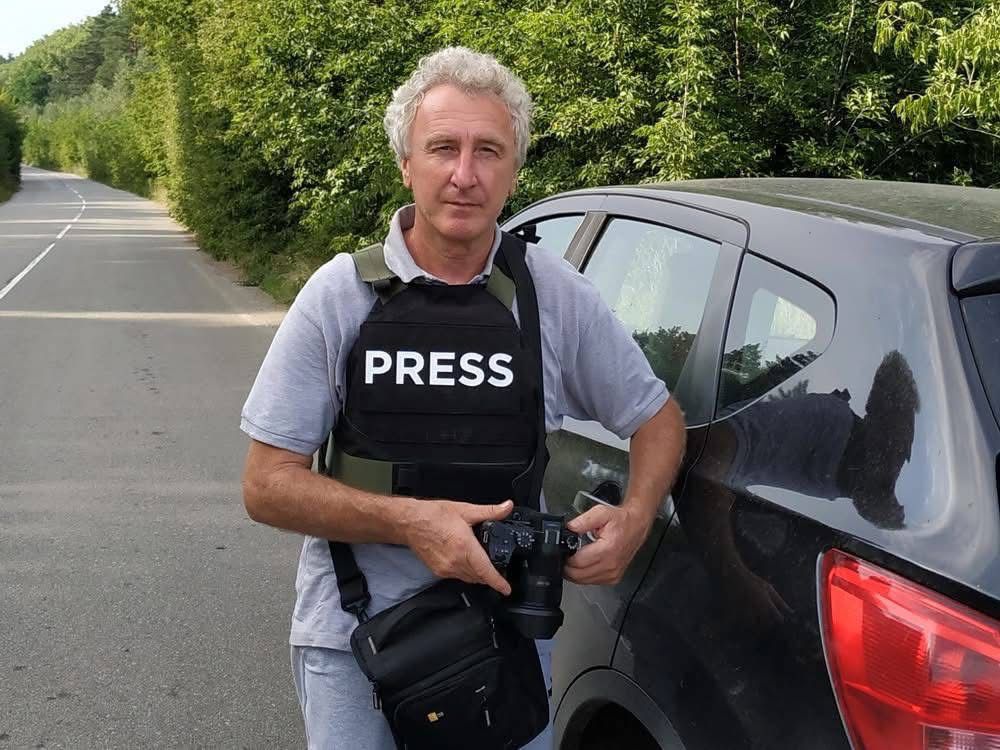
— In the first minutes after an explosion, people want to share everything. If someone has died, they may hug you. And you hug them back, trying to calm them. People receive us like family, because there is this feeling: if you’ve come, it means others will definitely hear about this, — he says.
In such moments, journalists inevitably take on the role of psychological support as well. It is a delicate balance: not to act as “professional psychologists,” but sometimes people simply need presence.
— They say you shouldn’t tell people, «I understand you». But sometimes we do — and it works. Because it’s not just a phrase. We explain: «I’ve been through it too. I couldn’t sleep either. For a week you’ll flinch at every sound. Then it will get easier — it was like that for me…», — shares Oleksandr Solomko.
He himself has experienced strikes near his home. According to him, explosions have already hit close to his apartment — an experience that makes him very careful with words, but sincere in empathy.
«We film within five minutes. But we don’t publish immediately»
Speed is critical in their work. Journalists can start filming within minutes after a strike. However, the newsroom follows a strict internal rule when it comes to covering civilian sites — they do not publish immediately.
— If it is a civilian object, we cannot publish for three hours, — Solomko explains.
Unlike in many other locations, where journalists often work with official сопровождение, in their district, according to Oleksandr Solomko, there are no press officers. If they wait for official access, it may take days — and by then, the story is no longer as urgent. That is why their reporting is especially valuable in places others rarely reach — remote villages and high-risk areas where it is crucial to document reality quickly.
When asked about helmets, vests, and «PRESS» markings, he answers cautiously. Their strategy is to avoid unnecessary attention.
— Our task is to look as much like locals as possible, — he explains. — The enemy constantly “hunts” journalists and civilians, tracking vehicle movements. That is why we try to remain as inconspicuous as possible, — he emphasizes.
Journalists mostly work using their own vehicles. The car, as he says, has “been through a lot, but always pulls through.” Roads in border areas are often damaged — poorly maintained even before the war, and now further разрушені by shelling. When attacks begin, decisions are made “on adrenaline.”
— You drive so fast over potholes that afterwards, when you’re safe, you think you could have gone slower. But under fire, you don’t think like that, — the editor says with a slight smile.
Leadership in the region through quality and trust
The newsroom’s goal is to become a leader in the northern part of the region — not only in reach, but primarily in quality.
— The Sumy region is very large. There are strong media outlets in Sumy, but they won’t come here for every strike. So our idea is to build a high-quality media outlet in the north of the region, — says Oleksandr.
For him, the key lies in standards: verification, minimal copying, and maximum on-the-ground presence.
— We never publish unverified information. If there is an explosion, we produce our own reports. Media that simply copy news are no longer needed, — he says.
Over the past year, according to their internal data, social media reach has doubled. The newsroom aims to continue growing — through trust, speed, creativity, and new formats.
— Not manipulating the audience is fundamental. If there is no quality, the media is not needed. If no one reads you — the same applies, — says Oleksandr Solomko.
Our conversation ended with a wish for safety — and a brief remark that feels like a shared conclusion for media professionals working in border regions. Presence matters not only to document the war, but also as an alternative to chaos, anonymous sources, hostile propaganda, and disinformation.
— A region cannot rely solely on Telegram channels that copy news. There must be quality journalism so that people can at least understand what is happening. And for that, journalists are needed. They, in turn, must feel safe. Regular participation in safety trainings, such as those organized by the Association of Independent Regional Press Publishers of Ukraine (AIRPPU), as well as having insurance, is a necessity of our time and a guarantee of protection, — concludes Oleksandr Solomko.
***
The International Insurance Fund for Journalists project, organized by the Association of Independent Regional Press Publishers of Ukraine (AIRPPU), is part of the Voices of Ukraine programme, which is included in the SAFE programme coordinated by the European Centre for Press and Media Freedom. The Voices of Ukraine project is implemented within the Hannah Arendt Initiative.