Ukraine’s experience of keeping journalism running during wartime is becoming increasingly relevant to European countries preparing for potential security threats. For news organizations, preparedness is not only about journalists’ physical safety. It also means maintaining operations during crises, preserving readers’ trust, and ensuring that communities have access to verified information.
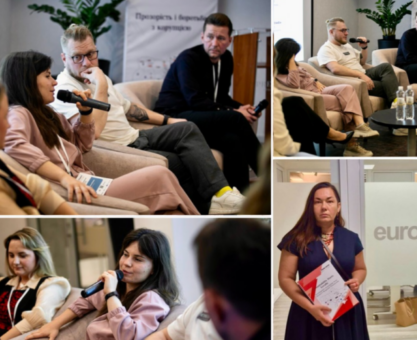
These issues were discussed in Oslo on November 12 at Høstmøtet 2026, the annual conference of the Norwegian Editors’ Association. Oksana Brovko, CEO of the Association of Independent Regional Publishers of Ukraine (AIRPU), shared the experience of Ukrainian regional media. The program also featured a discussion on Norway’s preparedness for war, bringing together senior military leaders and media professionals.
Crisis preparedness: What newsrooms need to plan for
For Ukrainian regional media, operating during air raid alerts, shelling, and power outages has become a daily reality. Under these conditions, newsrooms must protect their teams, stay in contact with journalists, and continue keeping their communities informed.
Oksana Brovko’s presentation was titled “What I have learned about preparedness.” She shared her experience of preparing for Russia’s full-scale invasion, both as the CEO of a media organization and as a mother of four.
For newsrooms, crisis preparedness has a very practical dimension. How can they continue publishing news when electricity and communications are disrupted? Who will coordinate the team if some journalists are unable to work? Which channels will communities rely on for essential updates? These questions need answers before a crisis occurs.
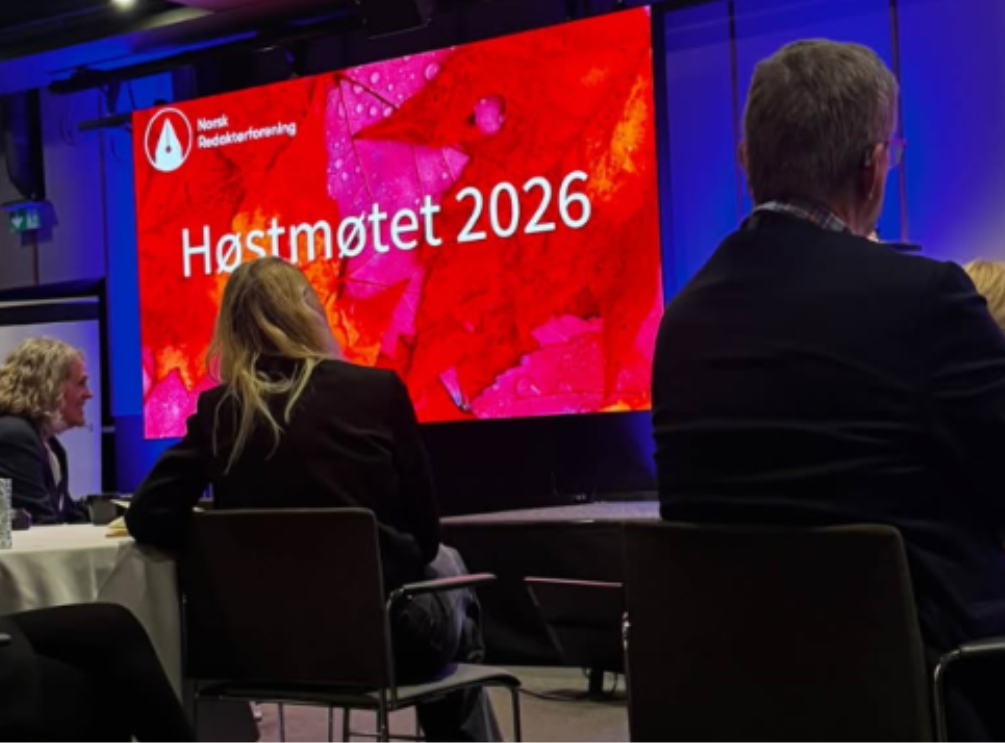
Høstmøtet 2026 conference in Oslo, November 12, 2026.
Why Ukraine’s experience matters to Norway
Following the presentation from Ukraine, the conference held a discussion titled “Should We Be Prepared for War?” Participants included Norway’s Chief of Defence, General Eirik Kristoffersen, Conservative Party leader Ine Eriksen Søreide, and representatives of the media community.
The discussion focused on preparing Norwegian society for worst-case scenarios while safeguarding democratic values in the face of potential threats. Ukraine’s experience provided practical context for this conversation about security and wartime preparedness.
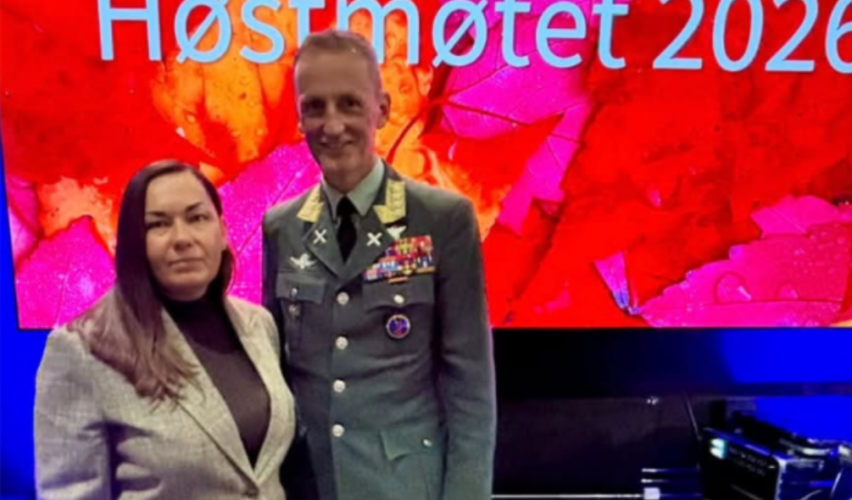
After the discussion, Oksana Brovko spoke personally with General Eirik Kristoffersen. According to Brovko, Norway’s Chief of Defence emphasized how important Ukraine’s experience is for his country. Their conversation touched on the knowledge and expertise Ukrainian military personnel and other professionals have gained during the war, as well as the security challenges Ukraine continues to face.
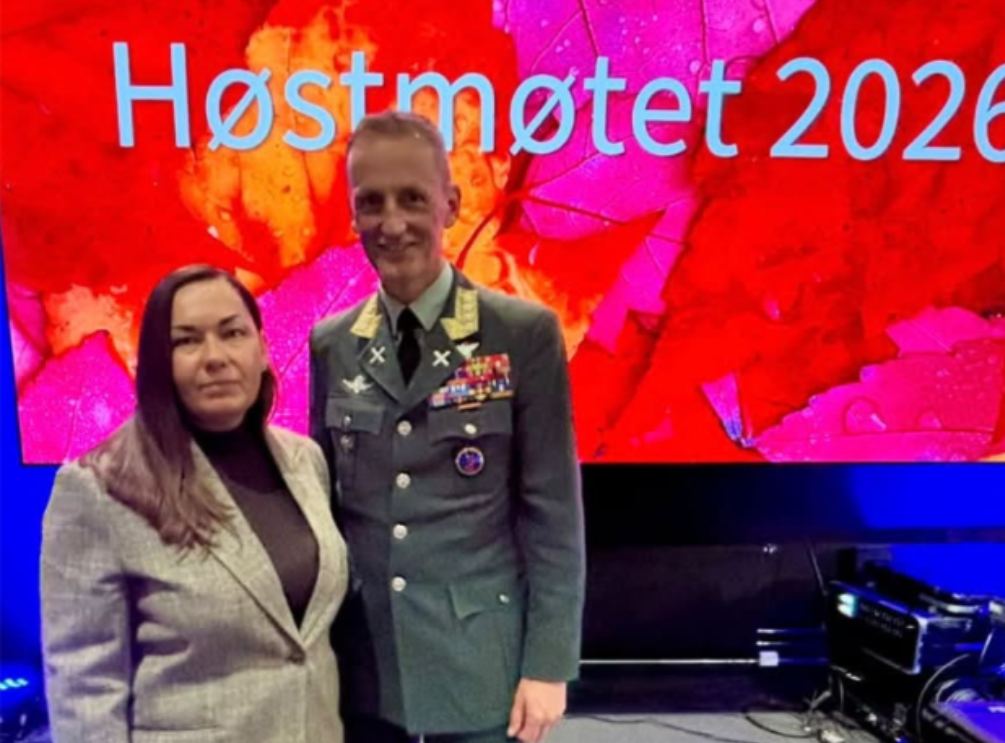
Oksana Brovko, CEO of AIRPU, and General Eirik Kristoffersen, Norway’s Chief of Defence, at Høstmøtet 2026 in Oslo.
For Ukraine’s media community, participating in such discussions also helps broaden the understanding of crisis preparedness. Beyond defence, independent journalism plays a vital role in providing reliable information and remaining operational during emergencies.
Investigative journalism as a pillar of media resilience
For news organizations, crisis preparedness involves more than the ability to keep publishing. It is equally important to safeguard editorial independence and maintain the capacity to scrutinize government decisions, even when resources are limited and security risks are increasing.
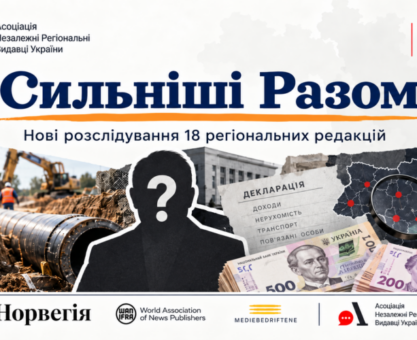
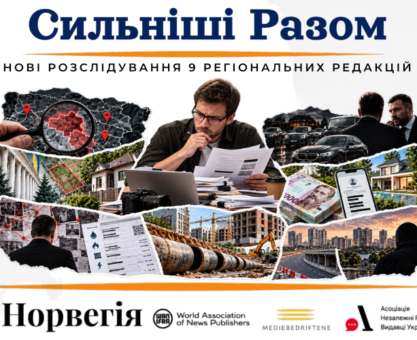
These aspects of Ukrainian journalism were also discussed during a meeting with Erlend Kaldestad Hanstveit, State Secretary at Norway’s Ministry of Culture and Equality. Oksana Brovko presented him with the “TOP 12” collection of anti-corruption investigations produced by regional media as part of the “Stronger Together: Transparency and Combating Corruption” program.
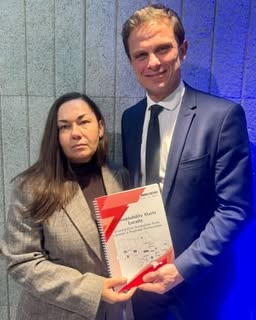
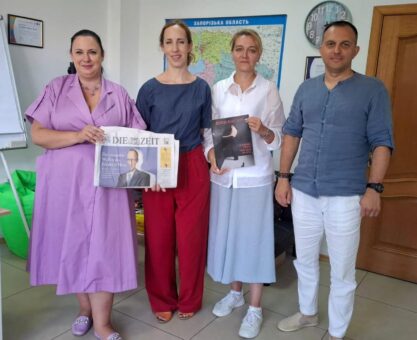
Oksana Brovko, CEO of AIRPU, and Erlend Kaldestad Hanstveit, State Secretary at Norway’s Ministry of Culture and Equality, during their meeting in Oslo.
AIRPU implements the program in partnership with the World Association of News Publishers (WAN-IFRA) and the Norwegian Media Businesses’ Association (MBL), with support from Norway.
According to figures shared by Oksana Brovko during the visit, 18 regional media outlets have produced more than 170 anti-corruption investigations over the past 18 months. Their reporting has examined local authorities, politicians, public procurement, and the use of public funds.
The “TOP 12” collection covers public spending, municipal property, occupation, collaboration with occupying forces, and links to Russia. These investigations involve working with documents, open data, and fact-checking. At the same time, as the experiences of program participants demonstrate, journalists continue to face pressure, threats, and attempts to interfere with editorial independence.
For smaller communities, this type of journalism is particularly important. Local investigations help residents understand how public funds are spent, scrutinize decisions made by officials, and demand accountability for potential misuse of resources. War does not remove the need for this oversight.
What this experience means for Ukrainian media
International cooperation involving Ukrainian newsrooms is increasingly moving beyond the provision of support. European colleagues can learn from Ukraine’s experience of maintaining journalism during wartime, while Ukrainian journalists gain opportunities to share their practices and results with a wider professional community.
For newsrooms themselves, resilience has two essential dimensions: the ability to operate during emergencies and the ability to remain editorially independent. The first requires well-developed contingency plans for newsroom operations and communication with communities. The second depends on professional standards, editorial autonomy, and sufficient resources to produce public-interest journalism.
The presentation at Høstmøtet 2026 and the introduction of Ukrainian investigations to Norwegian partners highlighted two areas in which Ukrainian regional media have developed practical expertise: keeping journalism running during crises and maintaining independent scrutiny of those in power during wartime.