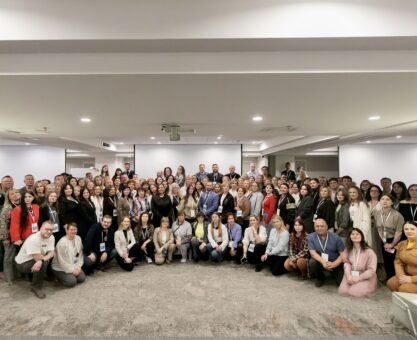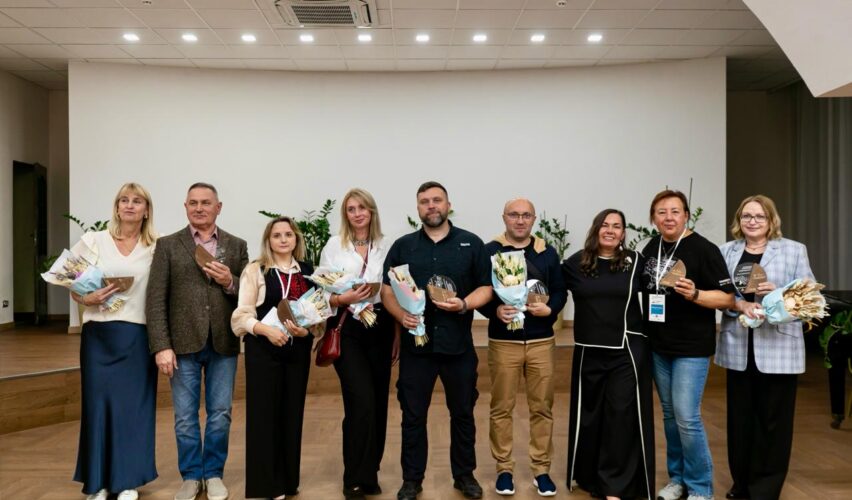
Lviv, October 2 — Seven Ukrainian regional media and one partner organisation were honored in Lviv for keeping journalism alive, communities connected and professional independence intact despite the realities of war.
The Association of Independent Regional Press Publishers of Ukraine (AIRPPU) presents the award each year to media working under exceptionally challenging conditions. It recognizes those that maintain a strong connection with their audiences during the war while continuing to grow, explore new formats, and stand up for editorial independence.
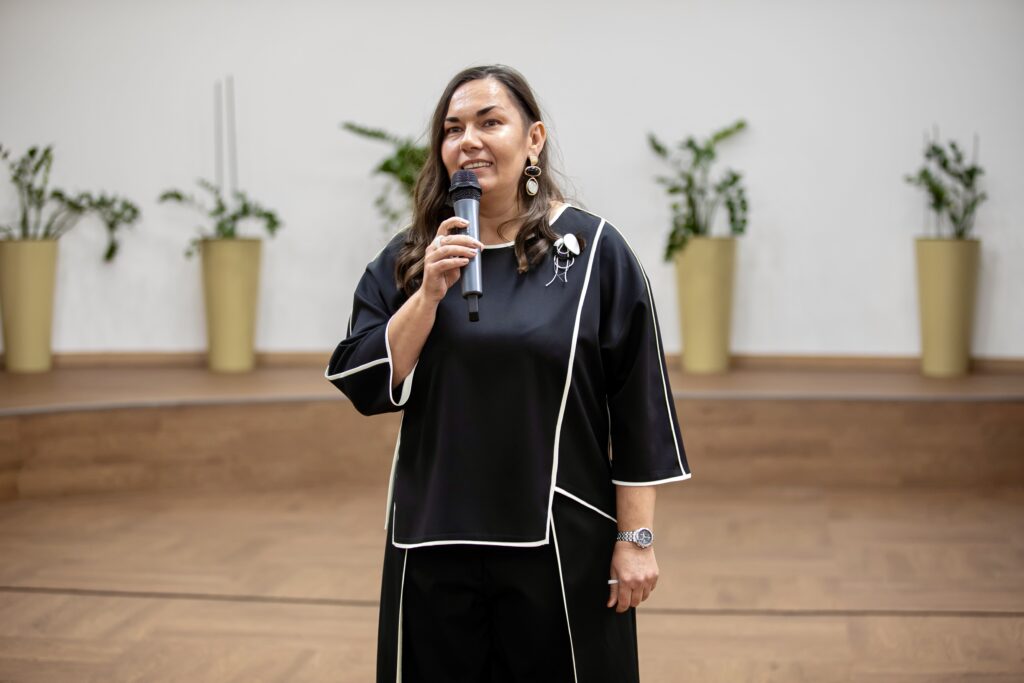
“When the full-scale war began, I was given a small lamp,” says Oksana Brovko, CEO of the Association of Independent Regional Press Publishers of Ukraine. “It helped me get through the dark nights, and I gave similar lamps to regional newsrooms because I understood that they needed not only light, but also a sign that they were not alone.
Today, we are honoring newsrooms that have themselves become a source of light for their communities. They work under shelling, without electricity and while exhausted, yet they continue to tell the truth, stay connected with people, and defend their right to know. The light in the darkness is about them.”
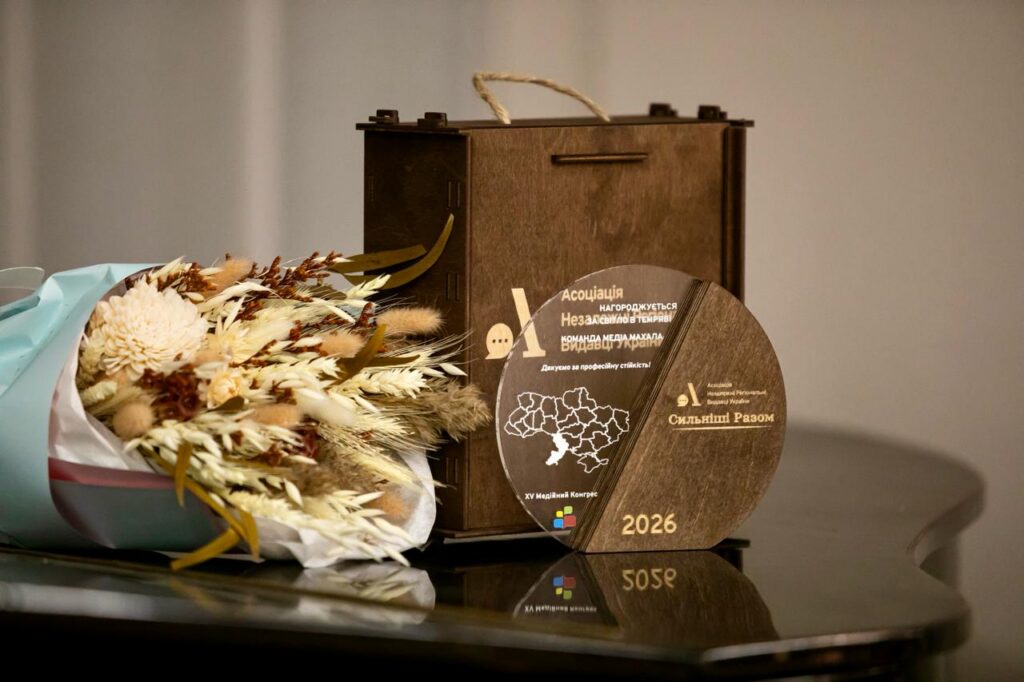
This year, the “For Bringing Light to the Darkness and Professional Resilience” Award was presented to the teams of the following media:
Makhala (Odesa region)
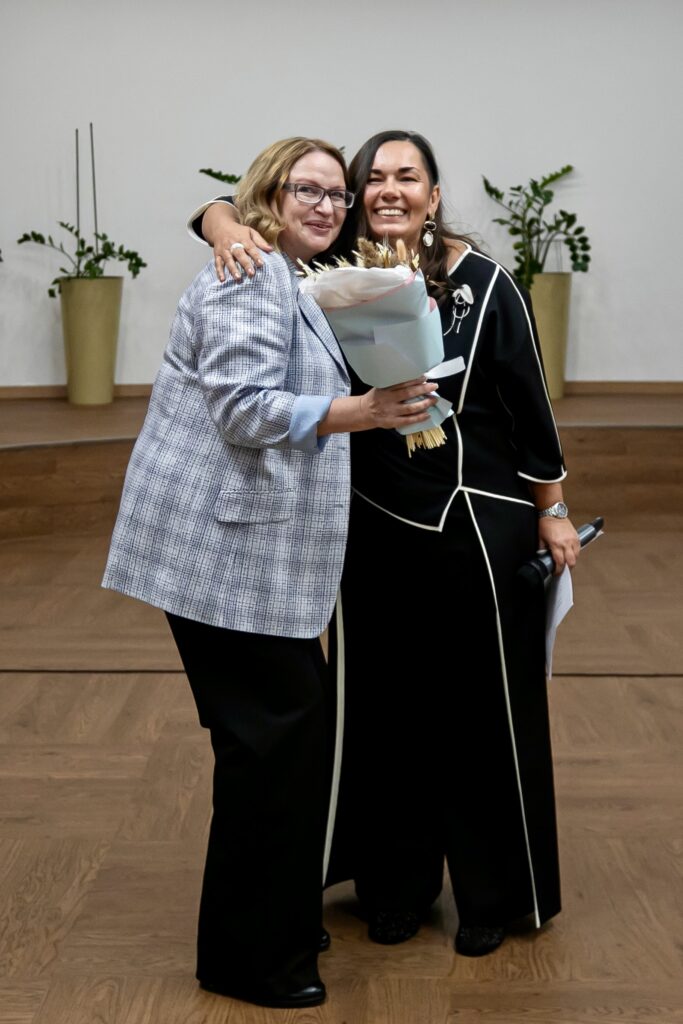
“This Bessarabian newsroom does more than report on what is happening around it. It helps people feel part of a community. As working conditions changed, the team adapted its formats, found new ways to stay close to its audience, and continued telling the stories of the people and communities of Bessarabia. Because local media is about more than news. It is a place where a community sees itself reflected.”
Slobidskyi Krai (Kharkiv region)
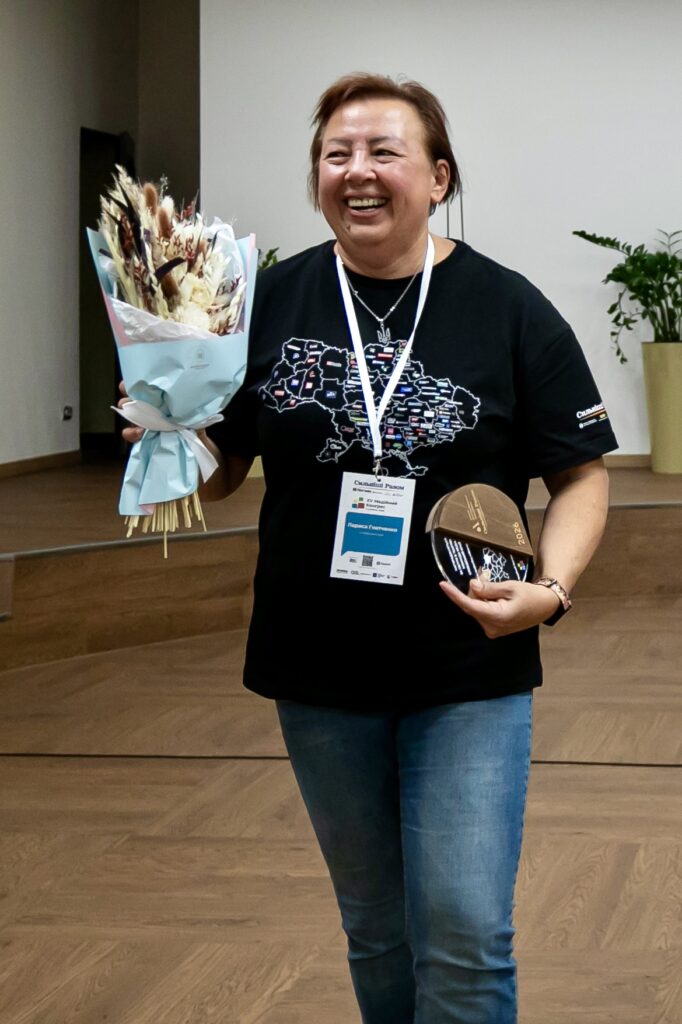
“A media with more than a century of history. Over the years, the country, technologies and generations have changed. But one thing has remained the same: being there for the people of its region. Today, it is a modern media that continues to serve the people of Kharkiv region even during the war. More than a century of history — and the daily work of today.”
Dostup.Media (Kirovohrad region)
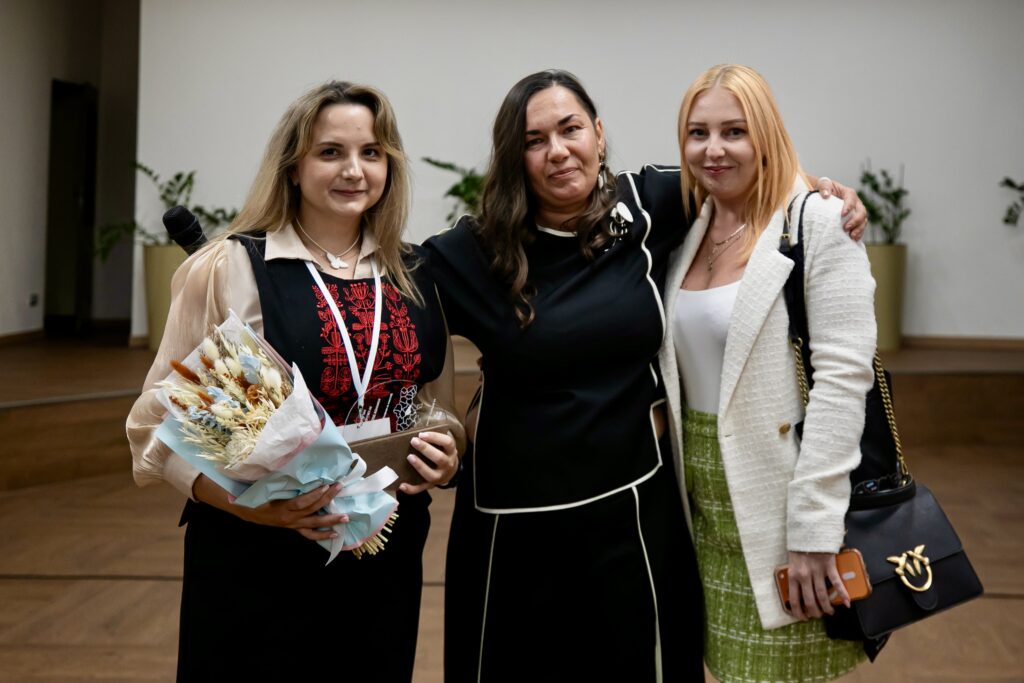
“This newsroom reminds us of another side of resilience. Resilience is not only about standing strong under shelling. It is also about remaining independent when staying silent would be easier. Dostup.Media works in the interests of the community, explains complex issues in simple language, and maintains its editorial independence from political and business influence. Independence begins with a small, everyday decision: to tell the truth, even when it is uncomfortable.”
Molodyi Bukovynets (Chernivtsi region)
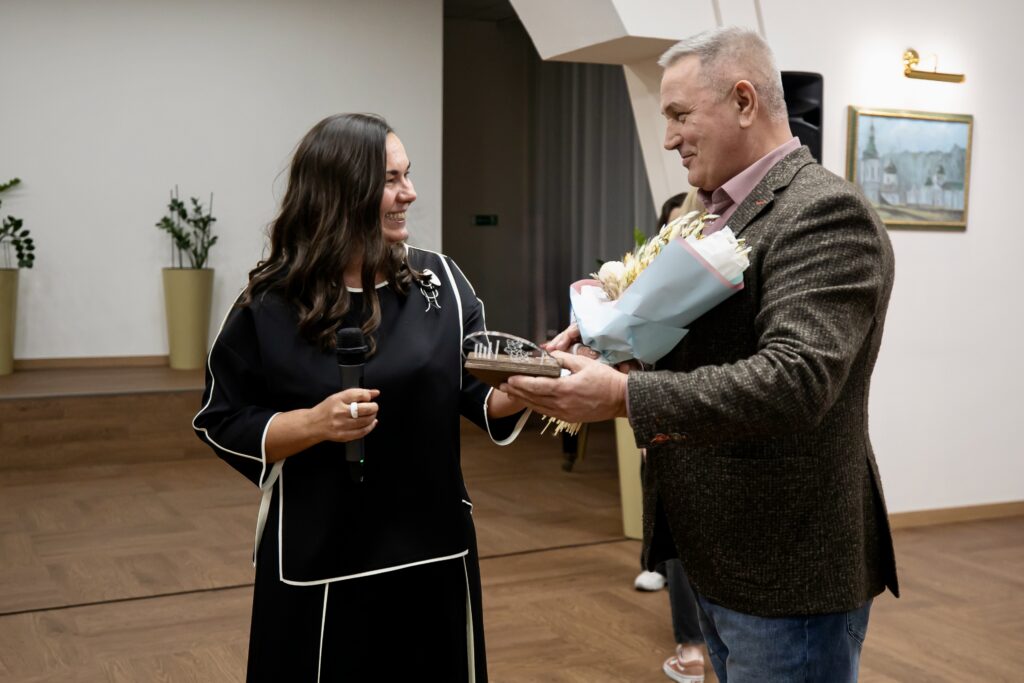
“Development during wartime may seem incredible or impossible to some, while others simply keep doing their job: strengthening journalism, developing investigative reporting, and fighting corruption. Because resilience is not only about preserving what you have. It is about having the strength to keep moving forward. The war has not cancelled the future of Ukrainian media. Newsrooms like these are already building it.”
Slovianski Vidomosti (Donetsk region)
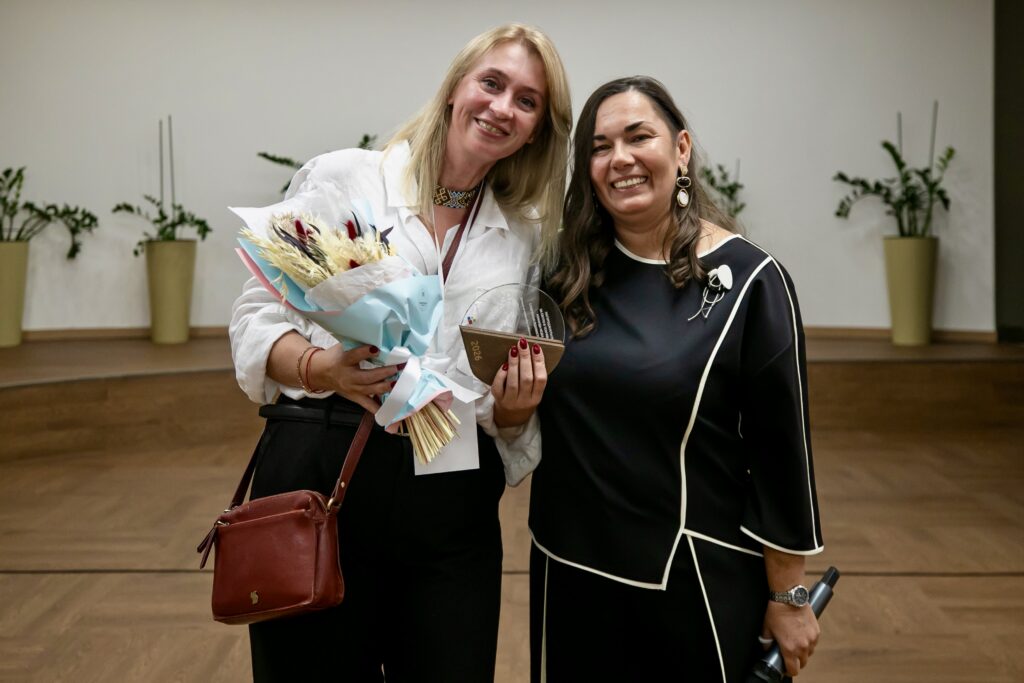
“After the hardest news and stories, one question always remains: who keeps speaking? Who keeps writing from the cities that often make the big headlines? Local journalists know these places differently — through the people, streets, homes, and stories that make them what they are. “Slovianski Vidomosti” is a media from a city living on the front line.”
Akcent (Zaporizhzhia region)
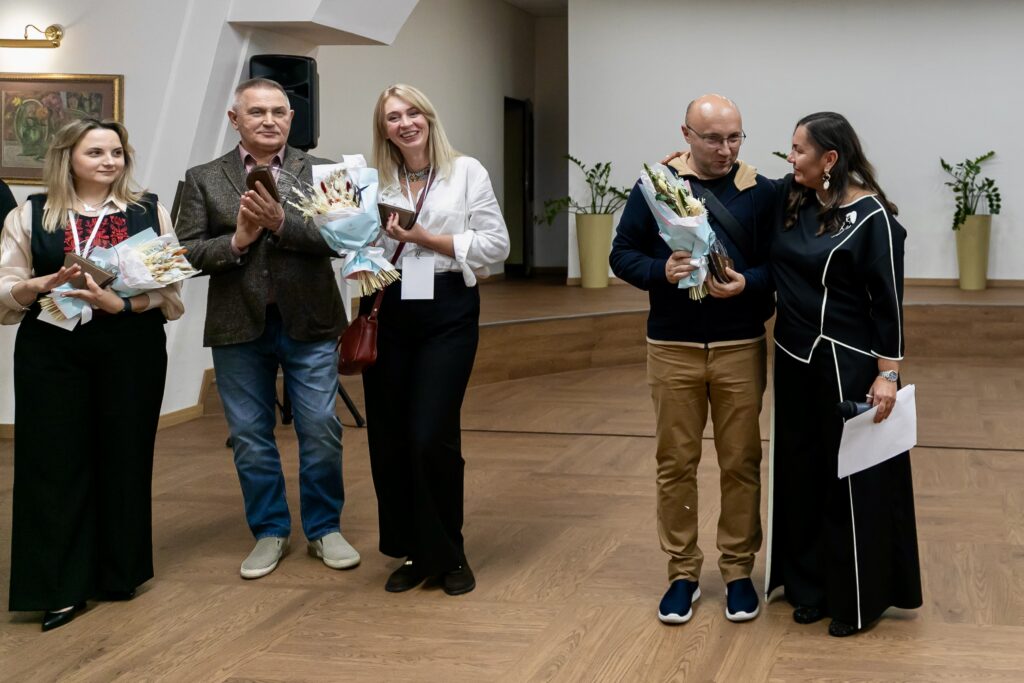
“This newsroom is based in Zaporizhzhia, a city where journalism today is about more than speed. It is about taking responsibility for every report, every image, every word. Maintaining an information link with the city and the region every day — especially when part of the region is under occupation — is a difficult challenge.”
Mezhivskyi Meridian (Dnipropetrovsk region)
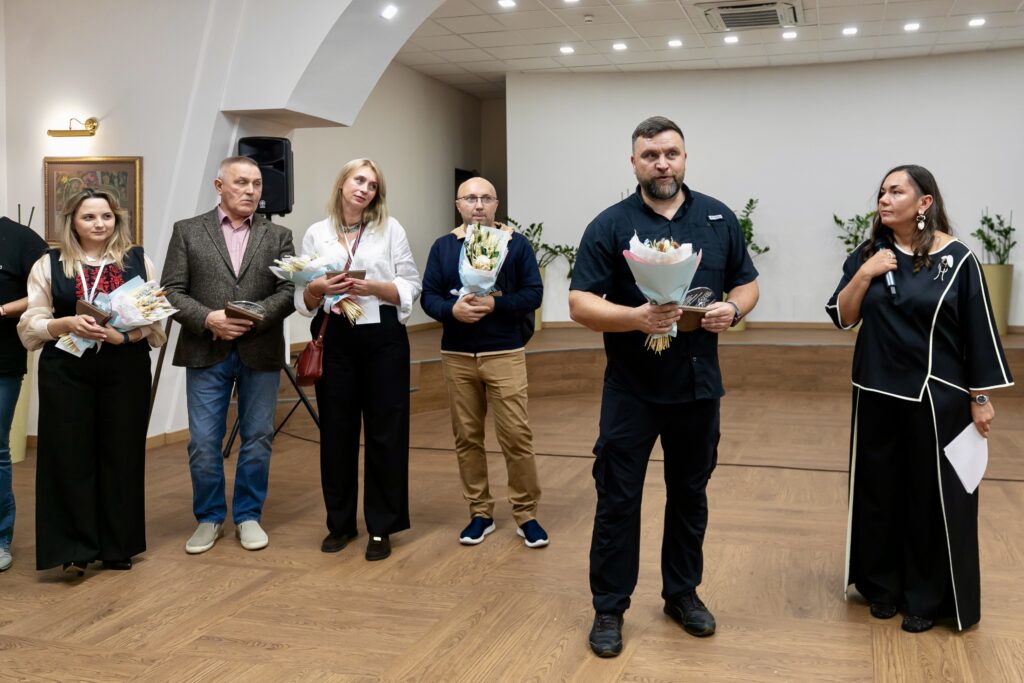
“Sometimes you think you already know what resilience means. Then you meet people who show you a completely different side of it. Their newsroom was destroyed by a Russian strike. But the newspaper did not disappear. Its team continues to work for its community. You can destroy a newsroom building. But it is much harder to destroy the connection between a journalist and their readers.”
Yet no newsroom should have to stand alone. Especially when working becomes increasingly difficult. That is why we also recognized those who have stood — and continue to stand — alongside Ukrainian media.
This includes MBL — Norwegian Media Businesses’ Association — and Randi Øgrey personally.
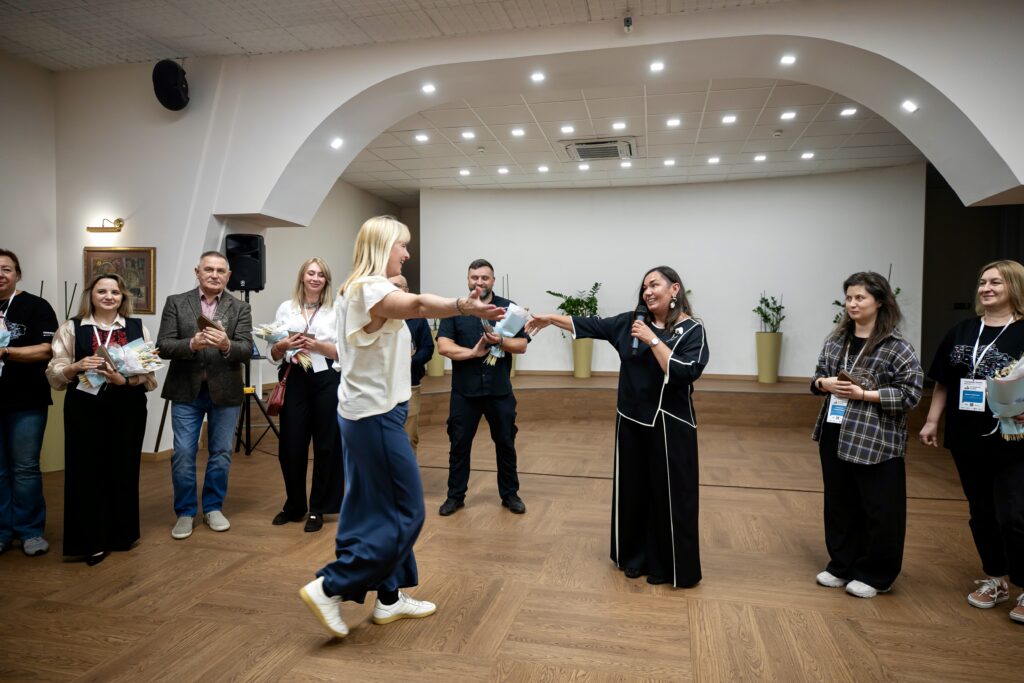
The Norwegian Media Businesses’ Association (MBL) has been supporting Ukrainian regional newsrooms since the first days of the full-scale war. We are grateful for this continued trust and support!
***
Last year, the winners in this category were the teams behind Kremenchuk Telegraph (Poltava region), Ridne Misto (Donetsk region), Yampil.info (Sumy region), Berdyansk 24 (Zaporizhzhia region), Odeske Zhyttia (Odesa region), Mayak (Kharkiv region), and TheBuchaCity (Kyiv region).