Editor-in-Chief Yevhen Khrypun on the dangers of working during the war, the destruction and reprinting of the newspaper’s print run, and continuing to work despite everything
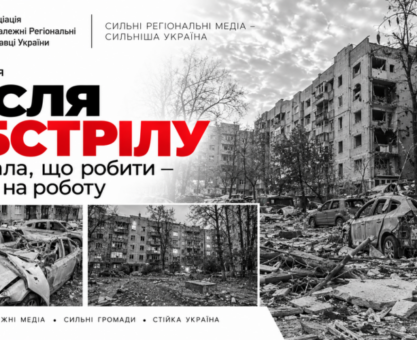
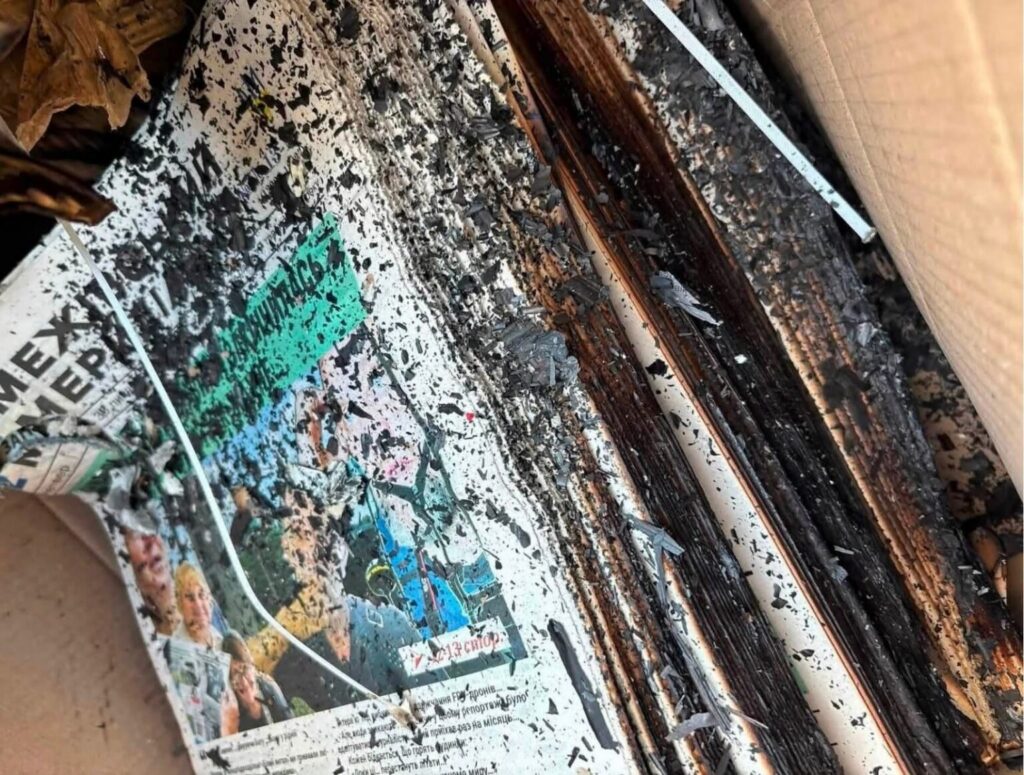
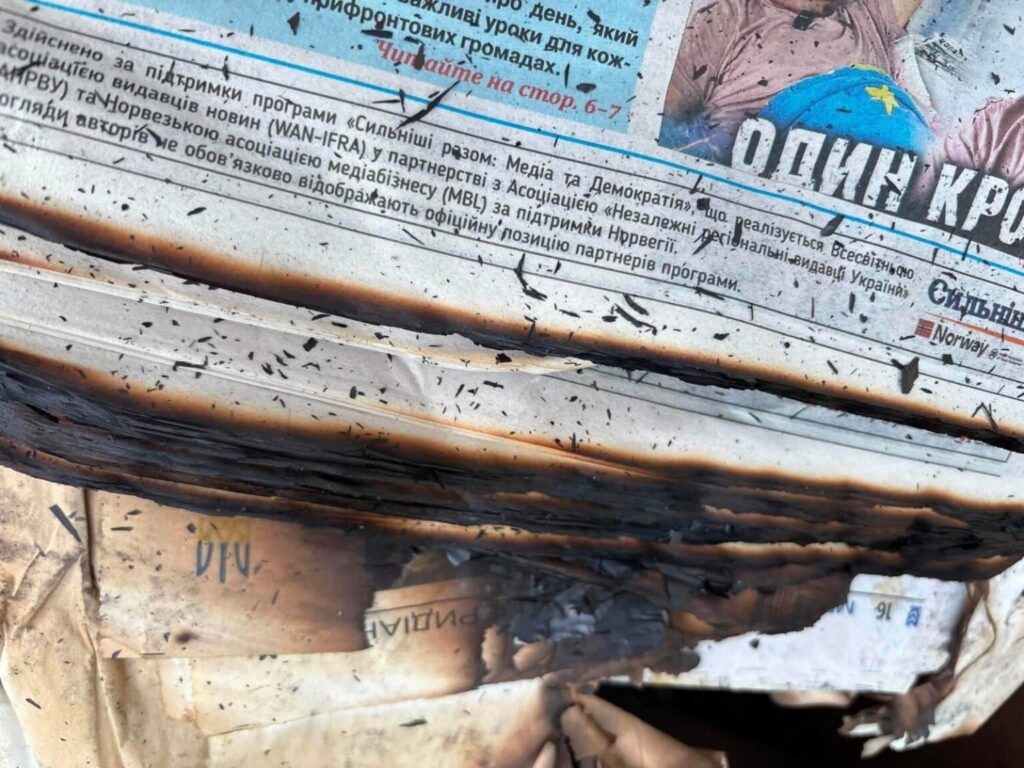
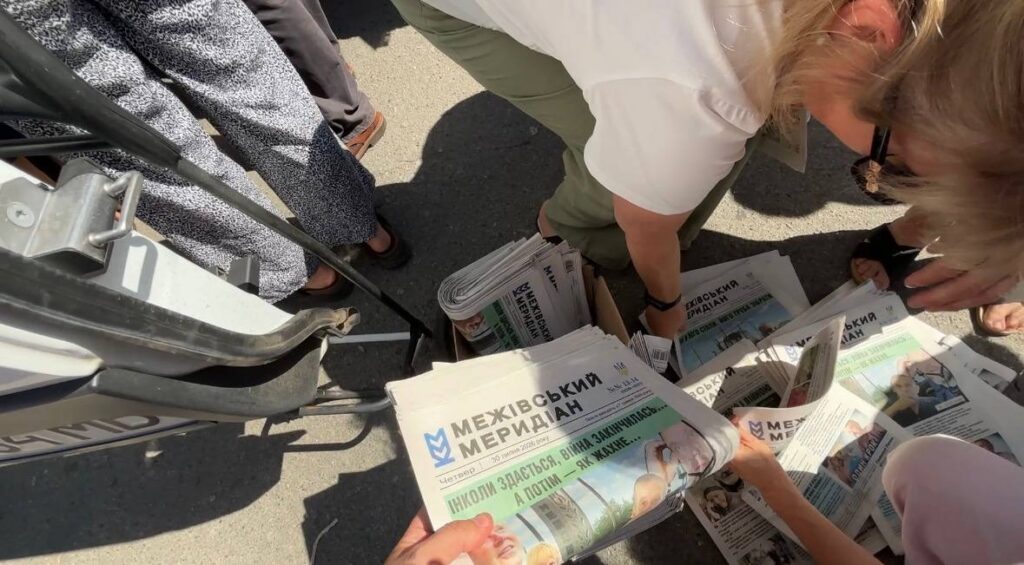
In early August, we reported that part of the print run of Mezhivskyi Meridian was damaged in a missile strike. It seemed that the print run was lost. But in Ukraine, this has become an all-too-common reality: newspaper print runs and book editions are destroyed by fire, yet publishers do not give up and instead look for ways forward. The same happened with Mezhivskyi Meridian.
We are continuing our series of stories about the challenges facing regional newsrooms during wartime. This is the story of Mezhivskyi Meridian, which lost its print run in shelling but was able to reprint it with support from AIRPPU.
Challenges and Solutions
“We were waiting for the latest issue to arrive, but after the strike we were simply told that there was an unidentified shipment. That was how we discovered what was left of the print run,” says Yevhen Khrypun, the newspaper’s editor-in-chief.
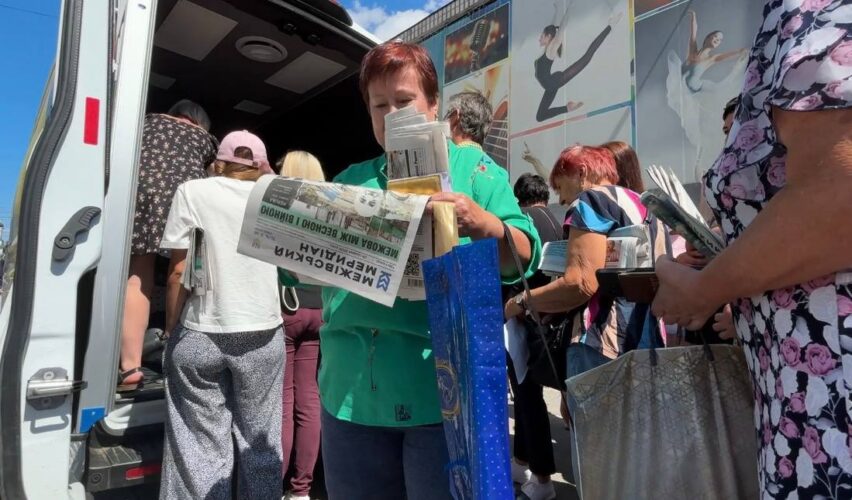
However, the newsroom did not lose its footing. It quickly arranged delivery of the remaining newspapers and applied to AIRPPU’s Emergency Support Program for Regional Media. Thanks to the swift response, the newsroom received funding to reprint the issue and was able to deliver the new edition to its readers.
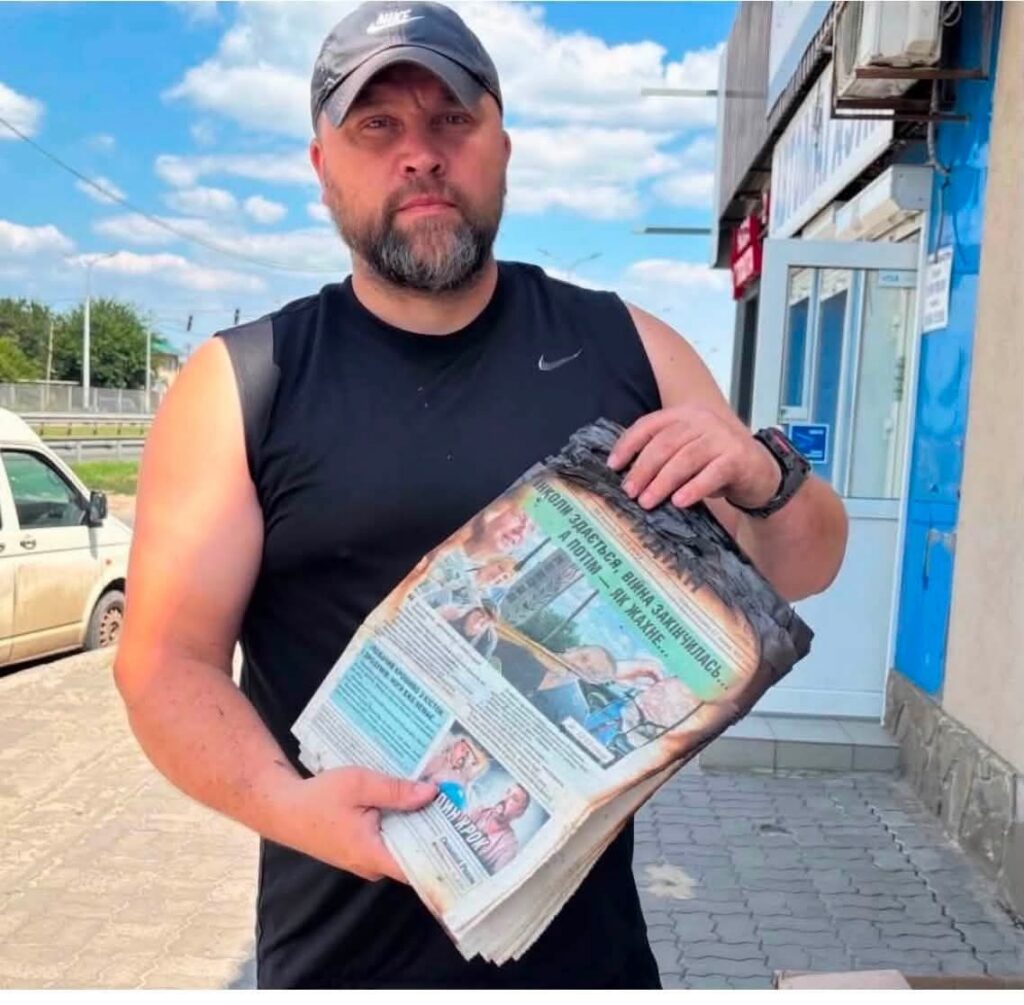
“More than two thousand newspapers were destroyed in a fire at a Nova Poshta warehouse in Dnipro — more than half of the print run. Thanks to the support we received, we were able to print a new issue, spending more than UAH 15,000 on printing,” Yevhen says.
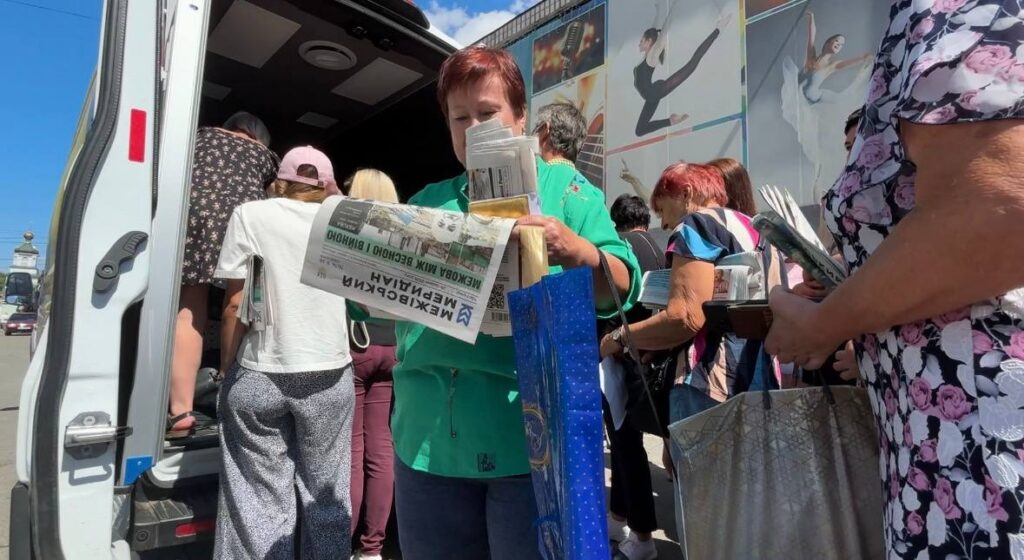
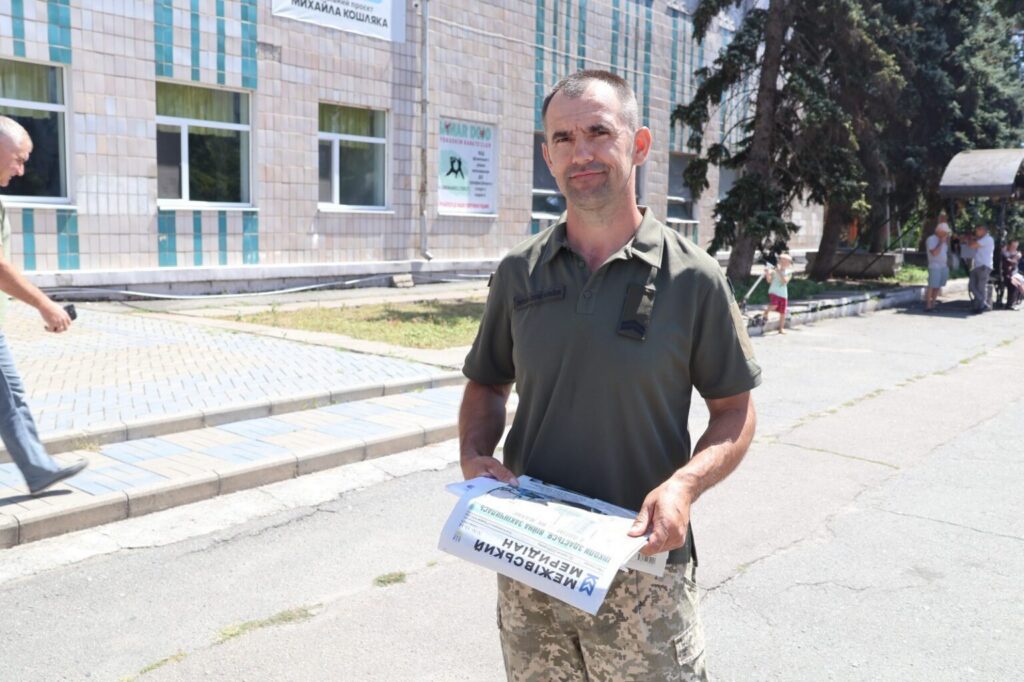
The newspapers were distributed to hubs and settlements across the community, which has been evacuated to a location 10 kilometres from the front line, as well as to cities in Dnipropetrovsk, Cherkasy, and Poltava regions.
“The situation in Mezhova itself is critical. It has been extremely difficult to get there in recent months, especially with the mission of delivering newspapers,” Yevhen says.

The Emergency Support Programme: Background and How to Apply
The Emergency Support Programme for Regional Media has been running since autumn 2025 and has already helped dozens of newsrooms. Through different rounds of support, newsrooms have received power stations, inverters, laptops, funding for printing, and, for the first time this summer, an opportunity for a short restorative break.
“It is very important for us to see the people who live in different cities, and we travel even to Kremenchuk and Zhovti Vody to make sure the newspaper reaches the community,” says Yevhen Khrypun.
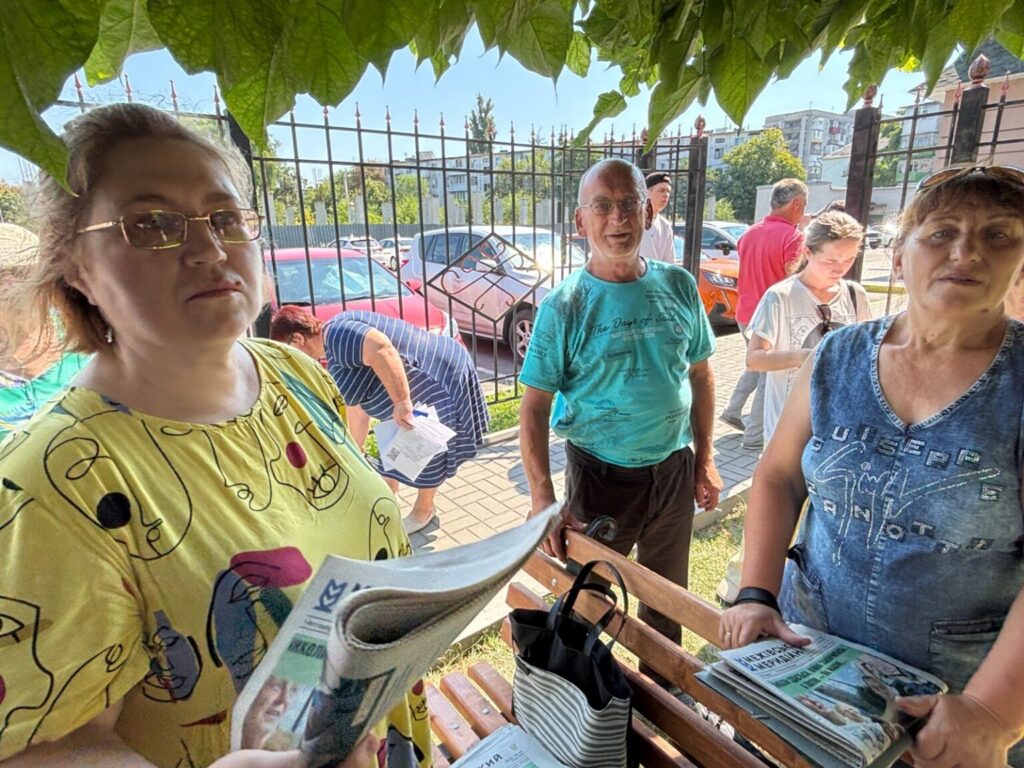
Despite the critical situation in Mezhova itself, the newsroom continues to cover life in the community, the tragedies affecting local residents, and the destruction, working across all platforms — Telegram, YouTube, Facebook, and its website.
“We produce reports from every trip, and write stories about farmers and postal workers who have been killed. It is difficult work, but it is necessary to ensure that the community has a voice,” Yevhen says.
“This programme was created to enable newsrooms to keep working even when everything around them is being destroyed,” says Oksana Brovko, CEO of AIRPPU. “We provide rapid assistance — helping newspapers reprint issues after losses, providing equipment or power sources, and this summer we also added restorative breaks for journalists. These are practical measures that allow media outlets to remain close to their communities and continue doing their work without interruption.”
We would like to remind you that the programme is ongoing, so applications can be submitted at any time — there is no need to wait for an announcement of a new round.
If your newsroom needs support or your team is feeling exhausted, fill out the registration form.
Who Can Apply
Applications are open to newsrooms that have been affected by the war within the past three months and continue to produce content of public interest.
The urgency of the situation is determined by whether the newsroom:
- operates in an area with active hostilities or regular shelling;
- is experiencing widespread power outages;
- has been forced to evacuate;
- has lost equipment or premises as a result of the war.
More about the programme and eligibility requirements: New Emergency Support Program for Regional Media
On the Risks of Journalism and Insurance Options
Despite the reprinted issue, working at the newsroom remains dangerous:
“I travel to the community almost all the way to the front line, but Mezhova itself has now become a kill zone, and getting there has been extremely difficult in recent months,” says Yevhen Khrypun.
These conditions once again demonstrate how important it is for journalists to have not only technical support but also a comprehensive safety system. One element of this is the option to obtain insurance free of charge. This helps newsrooms and individual journalists work with fewer risks, knowing that they and their families have protection in the event of an emergency.
So, dear colleagues, a reminder: those of you working in high-risk areas have the opportunity to obtain free life and health insurance. This is part of the International Insurance Fund for Journalists (IIFJ) initiative, implemented in partnership with Ukrainian and European organisations.
Media professionals working in Kherson, Zaporizhzhia, Sumy, Mykolaiv, Donetsk, Luhansk, Odesa, Kharkiv, and Dnipropetrovsk regions, as well as border areas of Kyiv and Chernihiv regions, can apply. More information about the terms of free insurance is available here.
As a reminder, the International Insurance Fund for Journalists, implemented by the Association of Independent Regional Press Publishers of Ukraine, is part of the Voices of Ukraine / SAFE support program, coordinated by the European Centre for Press and Media Freedom. Voices of Ukraine / SAFE is implemented within the Hannah Arendt Initiative and supported by the German Federal Foreign Office.