Thebuchacity’s Editor-in-Chief on Revenue Diversification and Resilience During the War: Part Two
The resilience of a local media outlet is not just about its financial model. It also depends on the trust of the community and the ability to help people in times of crisis. In the first part of our conversation, Editor-in-Chief Viktoriia Shatylo spoke about how Thebuchacity builds its community, launches new formats, and strengthens its team through internal changes and training programmes. Now we bring you the second part — on revenue diversification, support and training, working during wartime, and the newsroom’s vision for the future.
Revenue Diversification
For Thebuchacity, financial sustainability has become one of the key priorities.
“We are trying to diversify our revenue across several areas at once,” says Viktoriia.
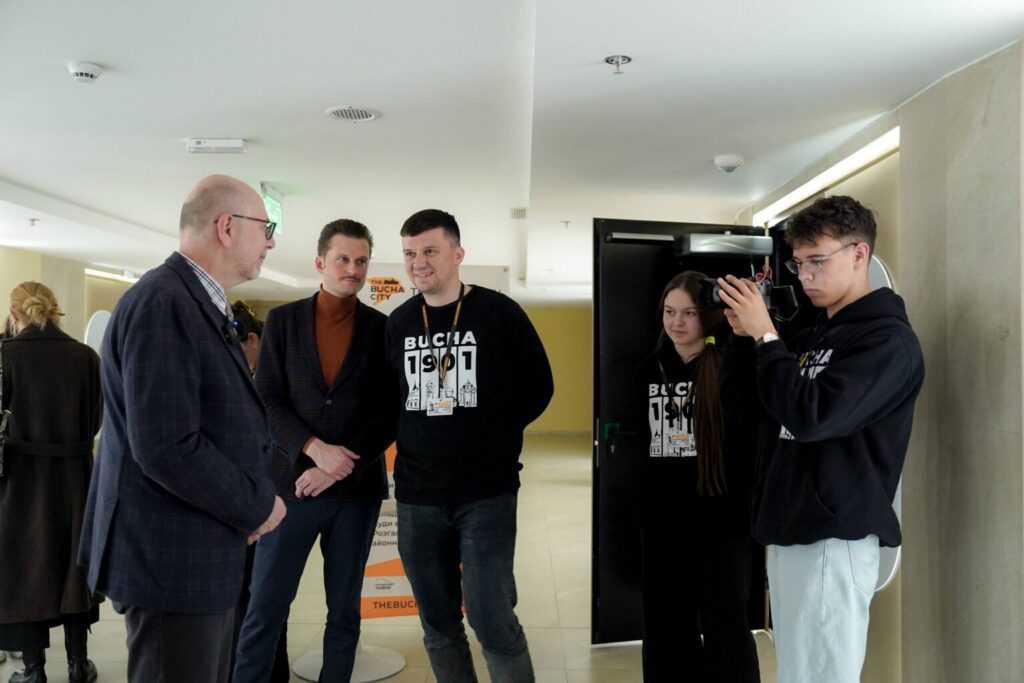
One of these areas is branded merchandise. Once a quarter, the newsroom adds new items to its merchandise line and sells them at local festivals and other events. This is not only a source of revenue but also a way to stay closer to the community.
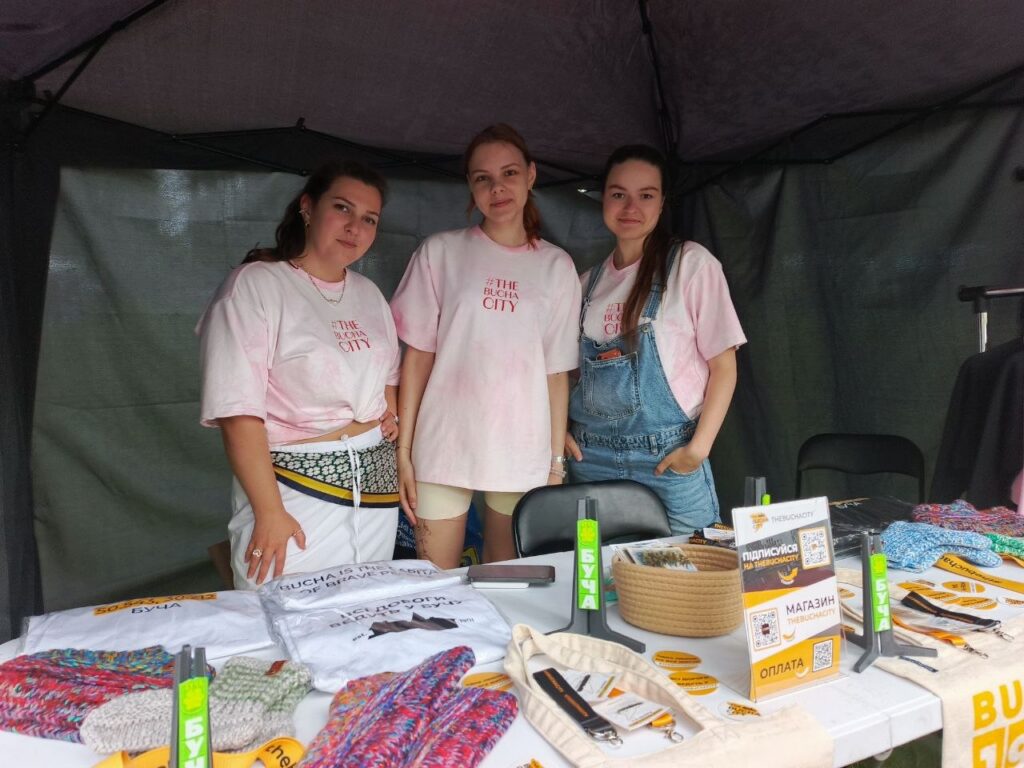
The second area is advertising and partnerships with local businesses. At the same time, the team has started working more actively on direct audience support.
“We finally added a dedicated ‘Support Us’ button to the website, allowing readers to financially support the media,” says Viktoriia.
For the newsroom, this is important not only as an additional source of revenue:
“We are gradually moving towards a model in which the sustainability of the media is built on several different revenue streams — advertising, partnerships, branded merchandise, and support from the community itself.”
Support and Training as a Resource for Resilience
As we mentioned in the previous part, Thebuchacity is participating in our “Stronger Together: Financial and Organizational Sustainability” programme.
“The programme’s support is one of the most important factors for us and has a significant impact on the newsroom’s development. Above all, it gives us a sense of confidence about the future, which is extremely important for a local media,” says Viktoriia.

The opportunity for continuous learning is equally valuable. As part of the programme, the team takes part in workshops and training sessions that help develop new skills and apply them directly to their work.
“Some of the team are currently taking part in training on the use of artificial intelligence [the interview was conducted in August 2026 and refers to the Newsroom AI Masterclasses for 45 regional newsrooms]. And we can already see the practical impact: some routine processes can be automated, freeing up more time for journalism itself,” says the editor-in-chief.
According to Viktoriia, one of the biggest challenges facing local media is that journalists are often forced to take on a wide range of ancillary tasks that should not be part of their core responsibilities. That is why any tools that reduce this workload and free up time for producing quality content are particularly valuable.
Another important aspect is balancing day-to-day work with long-term strategic planning.
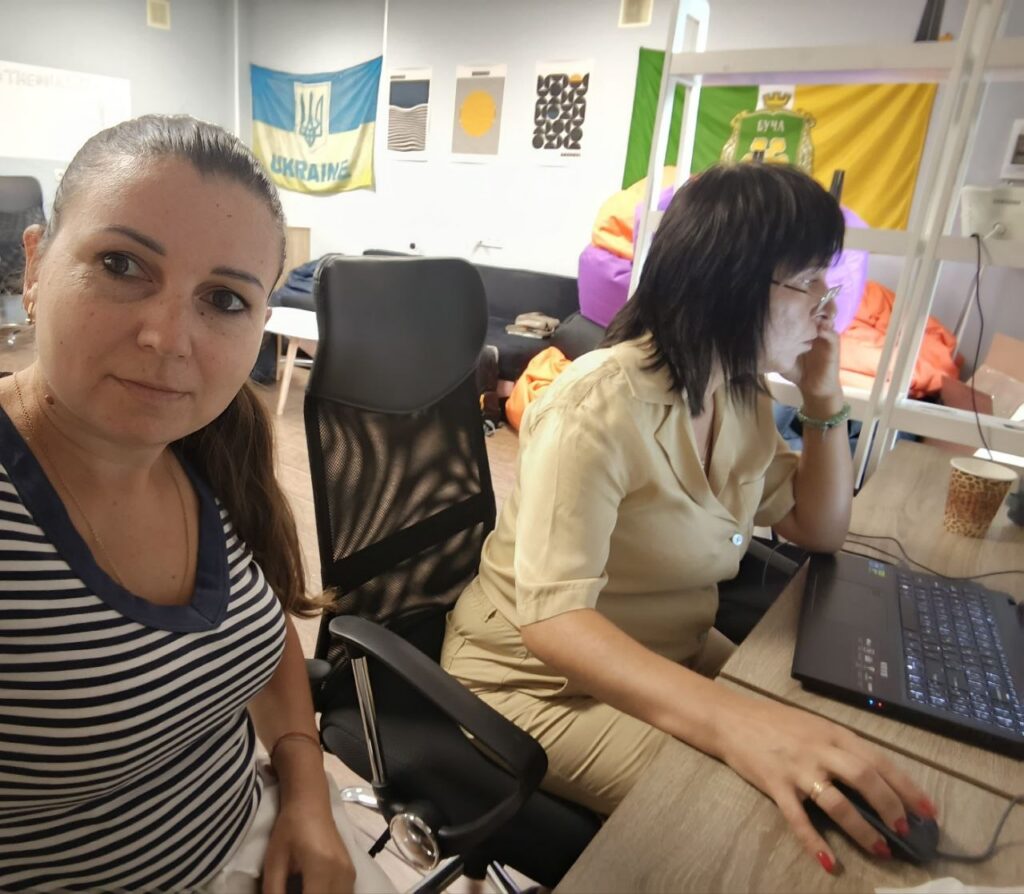
“Our team has a fairly clear division of responsibilities. The editorial team handles day-to-day content work, while strategic planning is primarily the responsibility of the administrative and management side — in particular, the project manager and executive director,” Viktoriia explains.
At the same time, all key decisions are discussed collectively:
“When it comes to new formats, changes to newsroom operations, or strategic steps, we discuss them together. This division of responsibilities allows the editorial team to focus on day-to-day journalism while staying connected to Thebuchacity’s long-term development goals.”
Media Resilience During the War
After the city was liberated and the Thebuchacity team returned from relocation, the newsroom faced prolonged power outages, shelling, and general instability. To ensure business continuity, the newsroom gradually developed an autonomous operating system: the office is equipped with EcoFlow power stations, charging stations, Starlink, and other backup solutions.
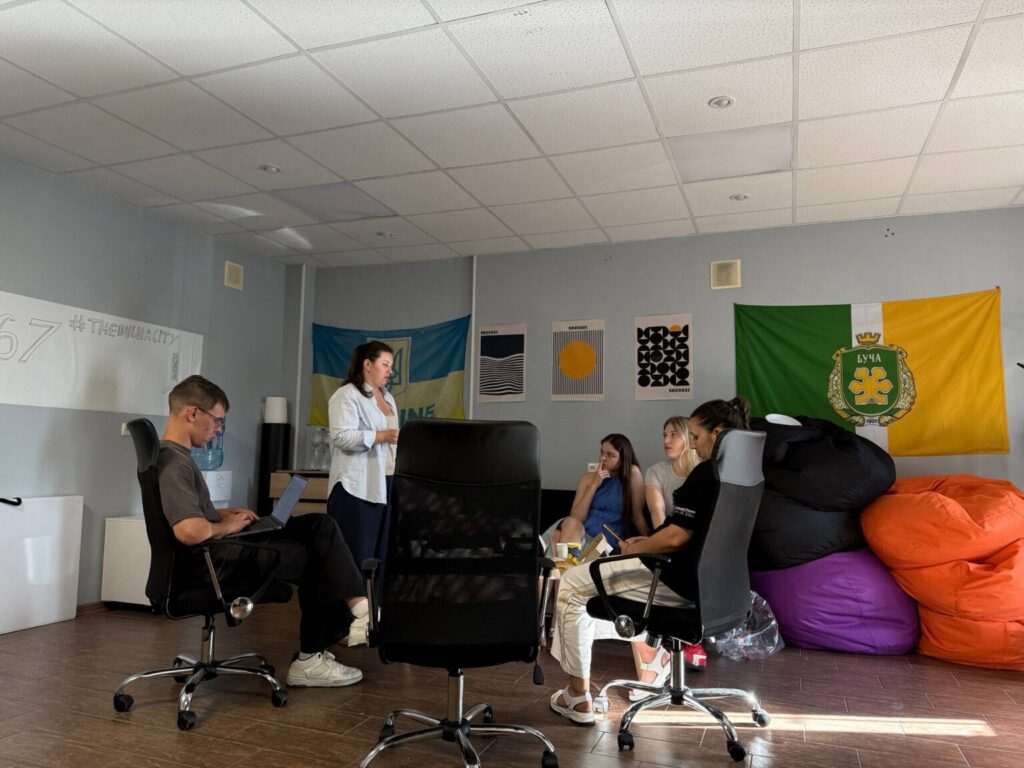
“In addition, almost all team members have laptops and power banks and can work autonomously when needed. So today we are much better prepared for these challenges and can keep the newsroom running even in difficult conditions,” says Viktoriia.
The newsroom has also become a space of support for the community.
“Back in 2023, our partners gave us a ‘Point of Invincibility’ sign, and during blackouts we encouraged people to come to the newsroom to charge their phones, laptops, and other devices,” Viktoriia recalls.
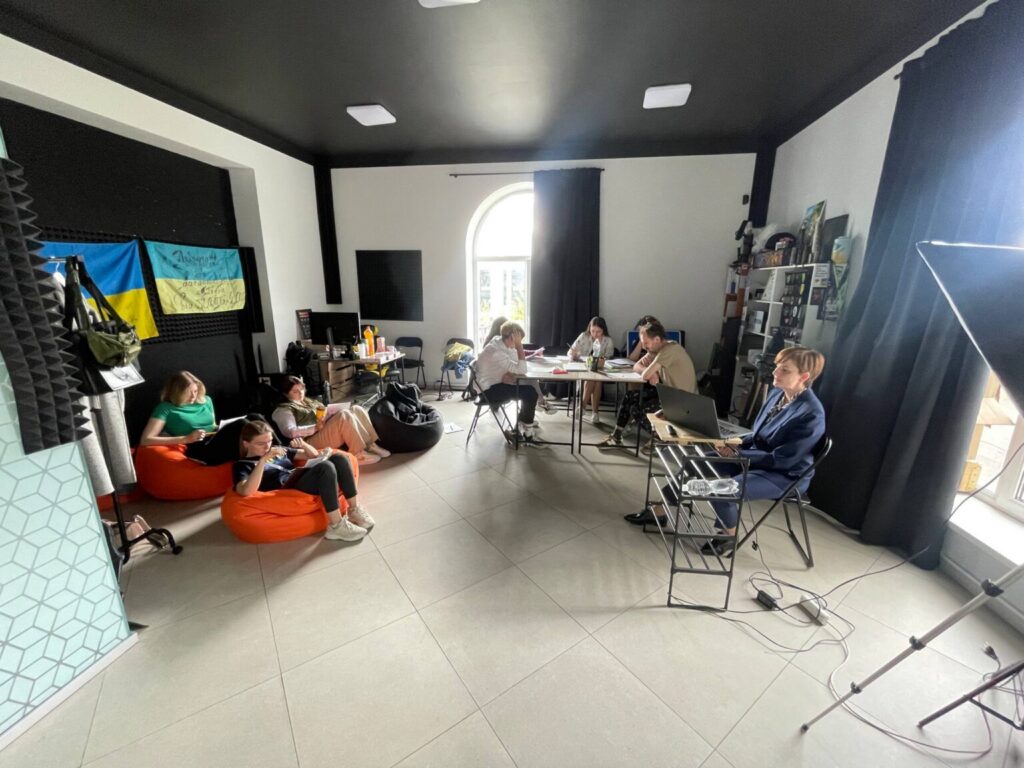
Today, the office can operate fully autonomously for a certain period: it has power, a reliable internet connection, and a space where people can work.
“For us, the newsroom is not just a place where content is produced, but also a space that can be useful to people in the community during difficult times.”
Thebuchacity: A Vision for the Future
Today, the publication is growing its audience and reach, while the city authorities are beginning to respond to issues after they are covered by the newsroom.
“I really like the way Thebuchacity is developing today. We produce quality journalism, work for people, and have an increasingly greater impact on what is happening in the community,” says Viktoriia Shatylo.
The main goal for the coming year is to complete the training on using artificial intelligence and make it a permanent tool in the newsroom.
“For me, a resilient media outlet is one that has the trust of its community, a strong team, steadily grows its audience, and is also able to provide real help to people,” Viktoriia concludes.
For the team, this is confirmation that media development and resilience are measured not only in financial terms, but also by the trust they earn and the practical value they bring to the community.
Make Sure You’re Insured
Colleagues, a reminder: journalists working in high-risk regions have the opportunity to obtain free life and health insurance. This is part of the International Insurance Fund for Journalists (IIFJ) initiative, implemented in partnership with Ukrainian and European organisations.
Media professionals working in Kherson, Zaporizhzhia, Sumy, Mykolaiv, Donetsk, Luhansk, Odesa, Kharkiv, and Dnipropetrovsk regions, as well as border areas of Kyiv and Chernihiv regions, can apply. More information about the terms of free insurance is available here.
Read the first part of our conversation with Viktoriia Shatylo here: “Quality Content Means Change in the Community”: How Thebuchacity Builds a Community and Develops Local Journalism
***
As a reminder, the International Insurance Fund for Journalists, implemented by the Association of Independent Regional Press Publishers of Ukraine, is part of the Voices of Ukraine / SAFE support program, coordinated by the European Centre for Press and Media Freedom. Voices of Ukraine / SAFE is implemented within the Hannah Arendt Initiative and supported by the German Federal Foreign Office