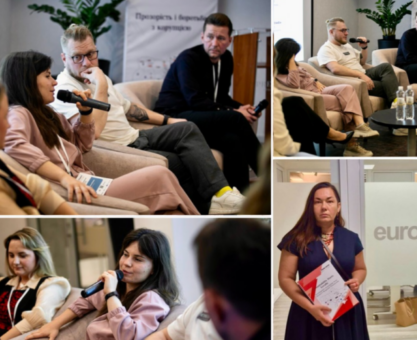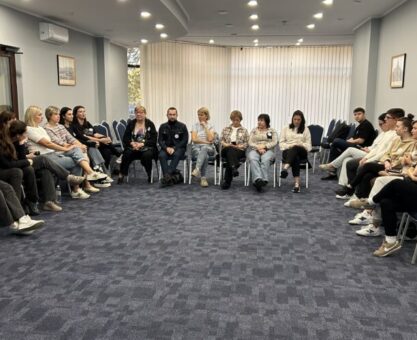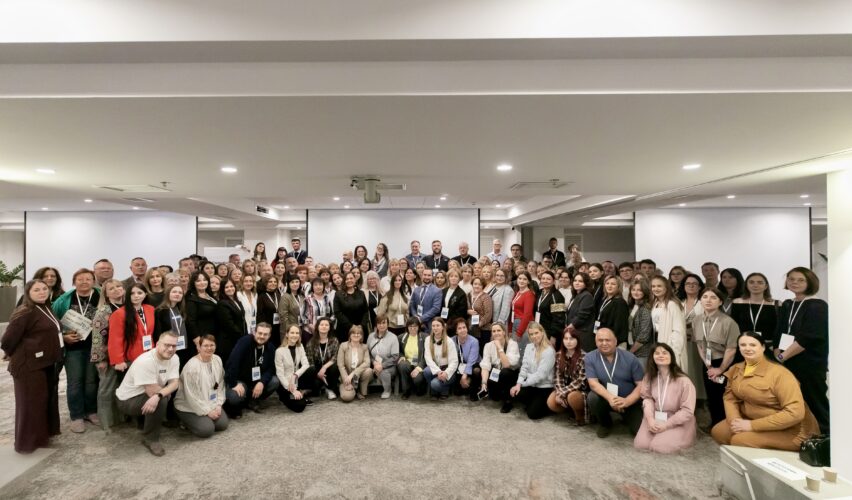
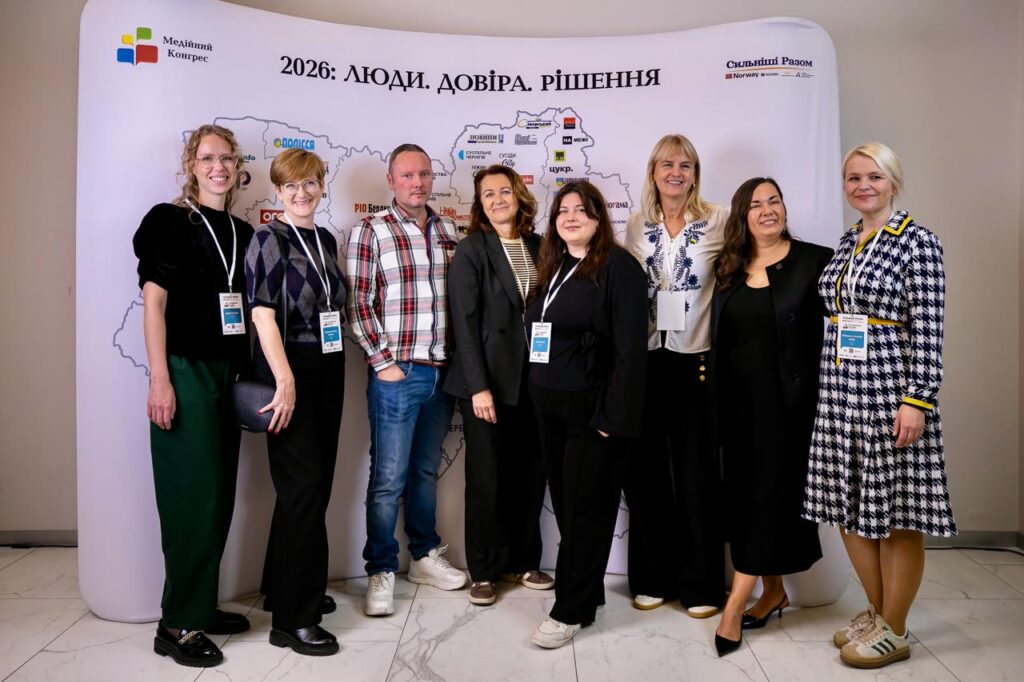
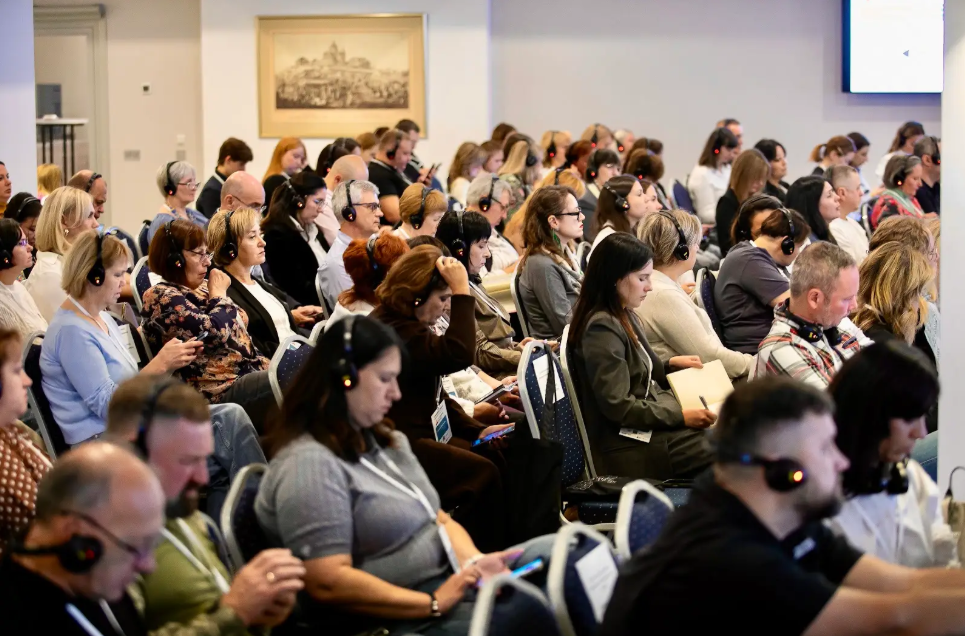
Lviv hosted the 15th Media Congress, “People. Trust. Decisions.”, organised by the Association of Independent Regional Press Publishers of Ukraine (AIRPPU). The event brought together 180 participants, representatives of 58 newsrooms from 43 Ukrainian cities, and international colleagues and partners. They discussed how to sustain their teams and independence during the war, remain relevant to their readers, and build media organisations that will still be serving their audiences in five and ten years.
Media professionals from frontline communities travelled to Lviv, including teams that had survived shelling and the loss of their newsroom premises, and journalists and media leaders who continue working through power outages and daily threats. Colleagues from Norway, Finland, Poland and Croatia joined them in the discussions. A Canadian delegation attended the Media Congress for the first time.
Building the Future Today
Opening the Media Congress, Oksana Brovko, CEO at AIRPPU, spoke about the exhaustion facing Ukrainian media professionals and the daily work that helps their readers navigate life during the war. Drawing on reporting by the Kherson newspaper Hryvna, she showed how local news had become practical information about threats, shelters and ways to stay alive.
“In the first years, we were learning how to hold on, but we cannot spend the years ahead simply in survival mode. We need to build media that people will still need in a year, in five years and in ten years. We need to learn how to succeed, build communities, use new technologies and create new products. And we must do all this without giving up our independence, because the future of Ukrainian media will not begin after the war. It is already being shaped by the decisions we make today,” said Oksana Brovko.
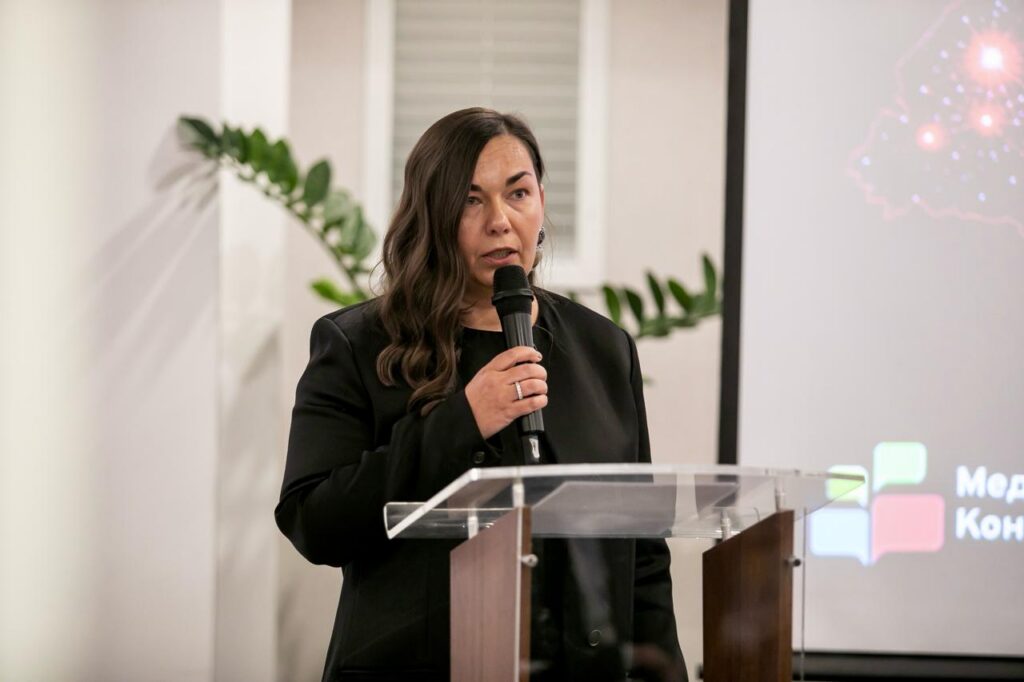
Oksana Brovko – CEO at the Association of Independent Regional Press Publishers of Ukraine (AIRPPU).
The discussion covered community building, new products and technologies, financial sustainability and preserving editorial independence. At the start of the gathering, participants also observed a minute of silence for those killed as a result of Russian aggression and thanked colleagues who had joined the defence of Ukraine.
Read also: Oksana Brovko: “War turns a person into a number, and the media give them back their name”
Norwegian media executive Ole Jacob Sunde, Chair of the Scott Trust, which owns The Guardian, and former Chair of the Tinius Trust and Schibsted, spoke about media organisations’ dependence on technology platforms and the need to maintain a direct relationship with their audiences. In discussing independence, he drew attention to the financial side of running a newsroom.
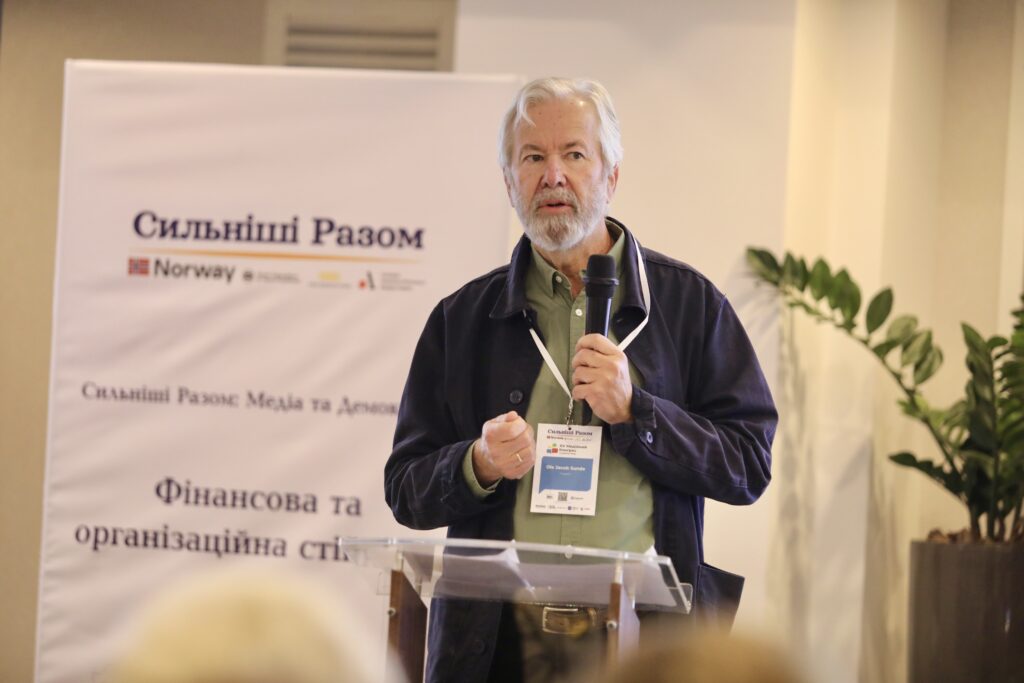
Ole Jacob Sunde – Norwegian media executive, Chair of the Scott Trust, which owns The Guardian, and former Chair of the Tinius Trust and Schibsted.
“Independent media are media free from political and commercial interference, able to present facts and communicate them to the public. But this is not just about editorial independence. You also need to be financially independent. A newsroom that cannot pay its bills loses some of its independence,” said Ole Jacob Sunde.
He also proposed a different approach to cooperation between media companies: retaining independence in journalism while joining forces in other areas of their operations.
“If you look at Norwegian media, they remain editorially independent. But they cooperate in everything else, from subscriptions to data protection and back-office operations. I think it is worth trying to see your competitor as a partner you can work with, especially when it comes to artificial intelligence,” said Sunde.
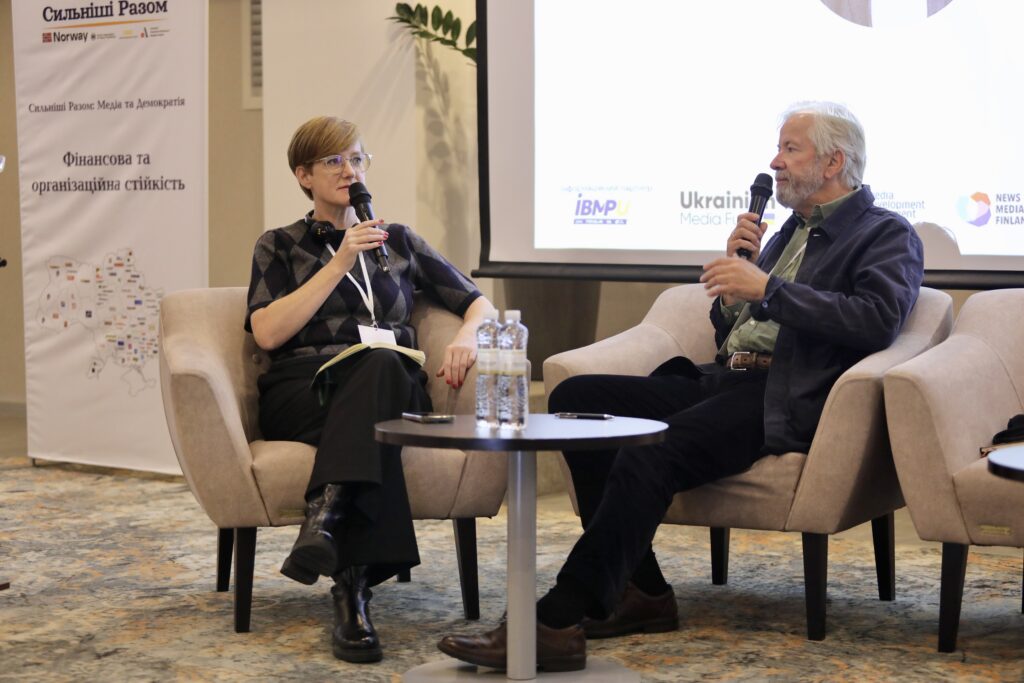
The conversation with Sunde was led by Norwegian media expert Veslemøy Østrem, former Editor-in-Chief of Altinget.
They discussed the relationship between financial and editorial independence, the responsibilities of media leaders, and the experience of Ukrainian teams that could be useful to their European colleagues.
The Norwegian Partnership: From Emergency Assistance to Development
A large Norwegian delegation travelled to Lviv this year. Norwegian media organisations have worked with AIRPPU for many years and supported Ukrainian newsrooms, including from the first days of the full-scale invasion. At the Media Congress, Ukrainian media professionals had the opportunity to meet partners who help them keep their newsrooms running and develop their organisations, and to share their needs and experiences in person.
Among the Norwegian participants was Randi Øgrey, Director of the Norwegian Media Businesses’ Association (MBL) and head of the Ukrainian Media Fund. She is a longstanding partner of AIRPPU and Ukraine’s regional media, with a relationship reflected both in support programmes and in individual stories of help for newsrooms at their most difficult moments.
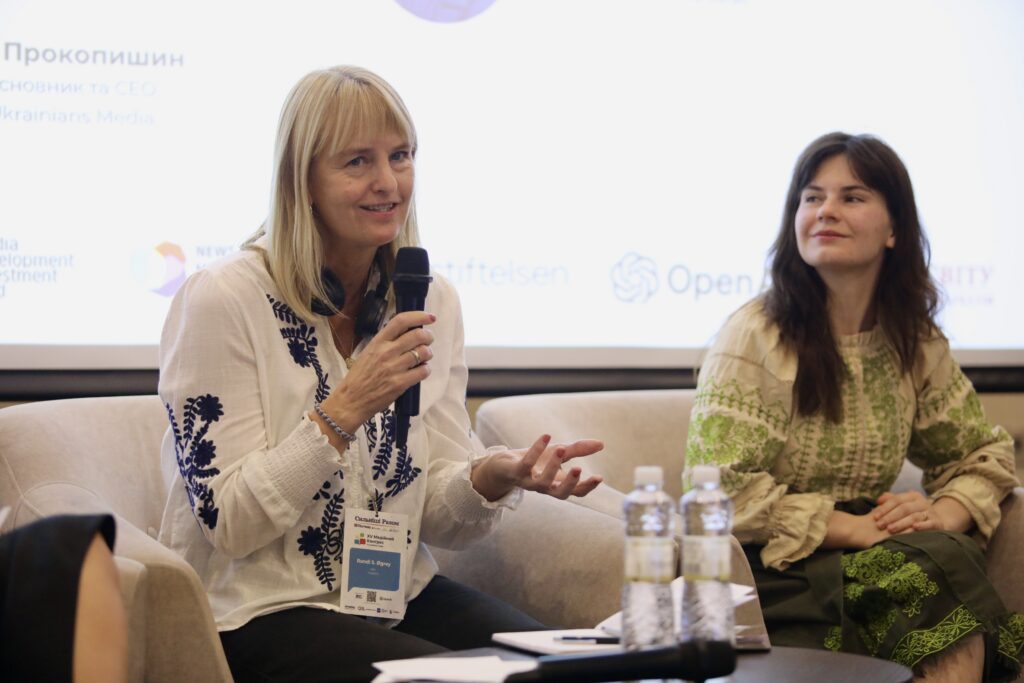
Randi Øgrey – Director of the Norwegian Media Businesses’ Association (MBL) and head of the Ukrainian Media Fund.
During the discussion, Øgrey spoke about trust, audience engagement, reaching young people and the responsible use of artificial intelligence. She also explained why international cooperation needs to be reciprocal.
“I do not have a ready-made formula. But the way you work through a crisis, support your people and support yourselves is incredibly important. I want to take this experience back to Norway, to our media community, and learn from you,” said Randi Øgrey.
She linked media development to whether outlets remain essential to their communities in the most difficult moments.
“In Ukraine, local and regional media are the first place people turn to during a crisis and during the war. I think this is something we need to learn from you. We can work together more, and we have a great deal to share with one another,” Randi Øgrey emphasised.
Oksana Brovko recalled one such story during the opening. At the beginning of the full-scale war, when Ukrainian newsrooms were often without electricity, MBL sent her two boxes of lamps. She passed them on to colleagues and kept one for herself. She still has that lamp and mentioned it from the stage as she thanked the partners for their help.
“Of course, these lamps could not stop the war. They simply gave light. But for a journalist working in the dark, that mattered. We cannot save everyone, and we cannot be strong all the time. But we can help the person beside us, here and now. A light does not have to illuminate the whole room. It just needs to be switched on,” said Oksana Brovko.
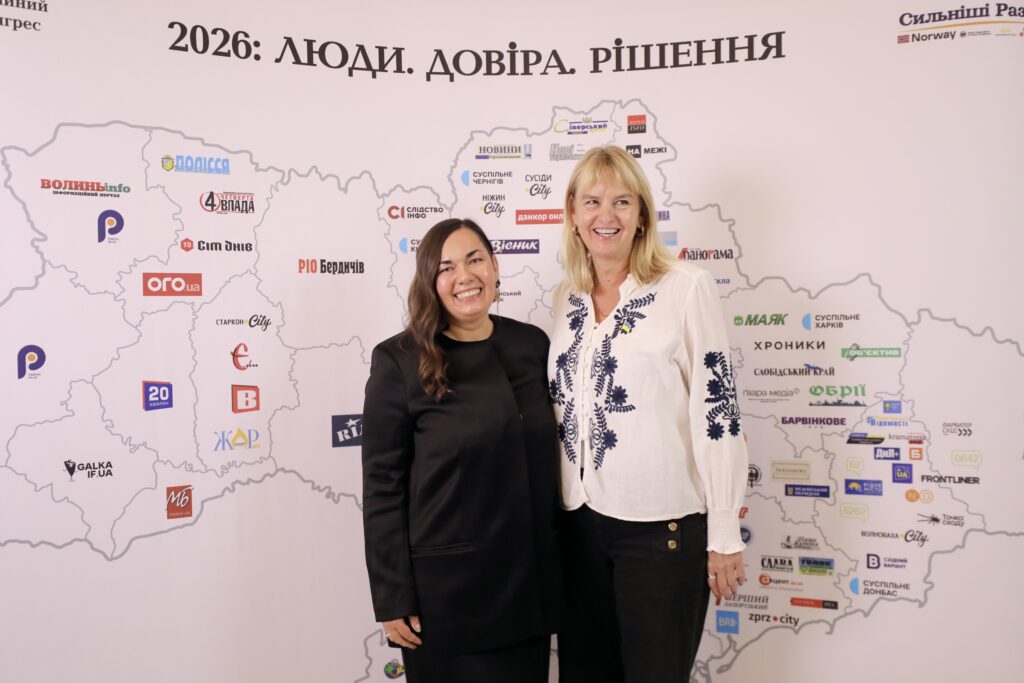
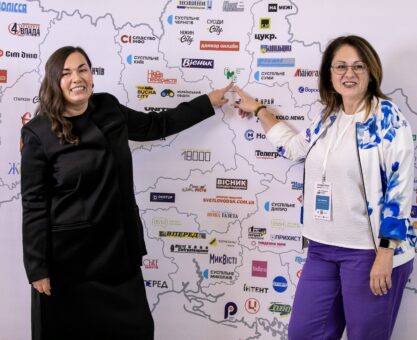
Oksana Brovko and Randi Øgrey
The Norwegian partnership includes financial support for newsrooms, portable power stations and generators provided by the Ukrainian Media Fund, and cooperation with the Amedia Foundation. After USAID funding ended, AIRPPU and the Amedia Foundation implemented “Plan B”, followed by an emergency assistance programme for regional media. “Stronger Together: Media and Democracy”, implemented by AIRPPU with WAN-IFRA and MBL with support from Norway, combines support for newsrooms’ day-to-day work with their development.
“For many of us, ‘Stronger Together’ stopped being just the name of a project long ago. It has become a way of surviving for some, a way of stabilising their situation for others, and, for most of you, a way of developing,” said Oksana Brovko.
Kristin Enstad: Why Supporting Local Newsrooms Matters
Kristin Enstad, Norway’s Chargé d’Affaires a.i. in Ukraine, addressed the Media Congress participants.
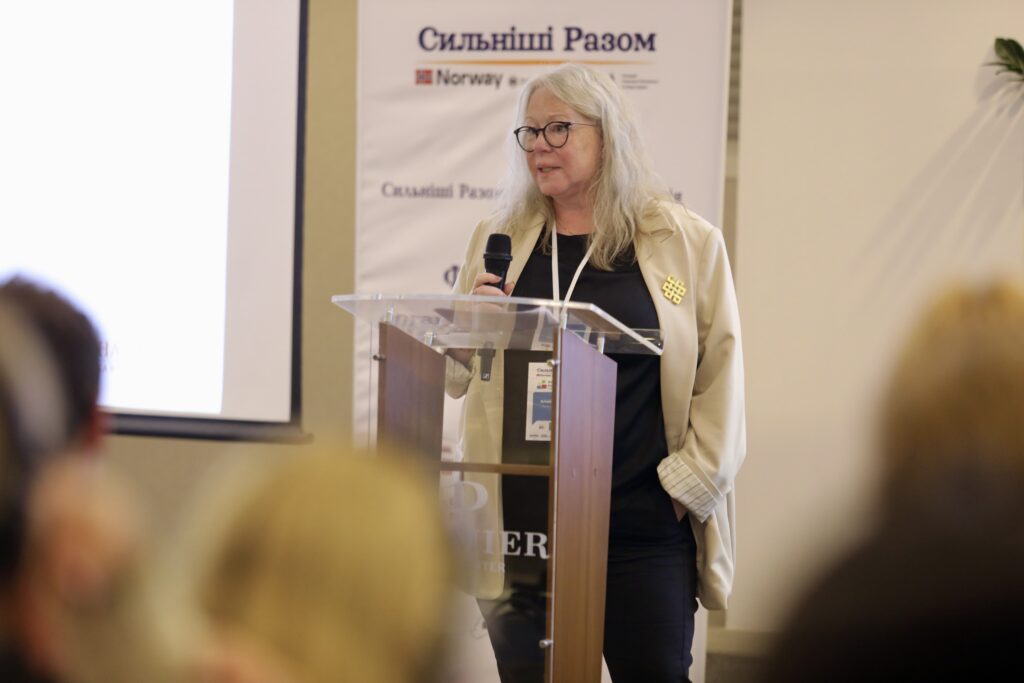
Kristin Enstad – Norway’s Chargé d’Affaires a.i. in Ukraine.
She spoke about journalists who live in their communities and understand their everyday challenges. During the war, this work includes warning people about threats, telling their stories, and scrutinising government decisions and the use of public funds.
“People need reliable information to make decisions that affect their lives. They need journalists who can ask difficult questions and investigate how public resources are being used. They also need information about how the war is affecting people’s lives in frontline towns and across the country,” said Kristin Enstad.
The diplomat cited the example of Oleshky. Kherson journalists had been reporting on the situation of people in the town long before it attracted international attention. Enstad explained that local newsrooms can follow their communities’ problems over time and return to them when other media have already moved on.
“A local reporter can follow what is happening in a school or a hospital. They understand how the local budget is being spent. And they keep following these issues even after the news cycle has moved on to the next topic,” said Kristin Enstad.
Enstad also spoke about support through the “Stronger Together” programme, which combines grants, mentoring, the development of investigative journalism and training for newsroom leaders. This cooperation helps teams continue working now and plan for the years ahead. She emphasised that editorial decisions remain in the hands of the journalists themselves.
Tamara Mawhinney: Supporting Ukraine and Media Freedom
A Canadian delegation attended the Media Congress for the first time. Tamara Mawhinney, Ambassador of Canada to Ukraine, addressed the Ukrainian newsrooms.
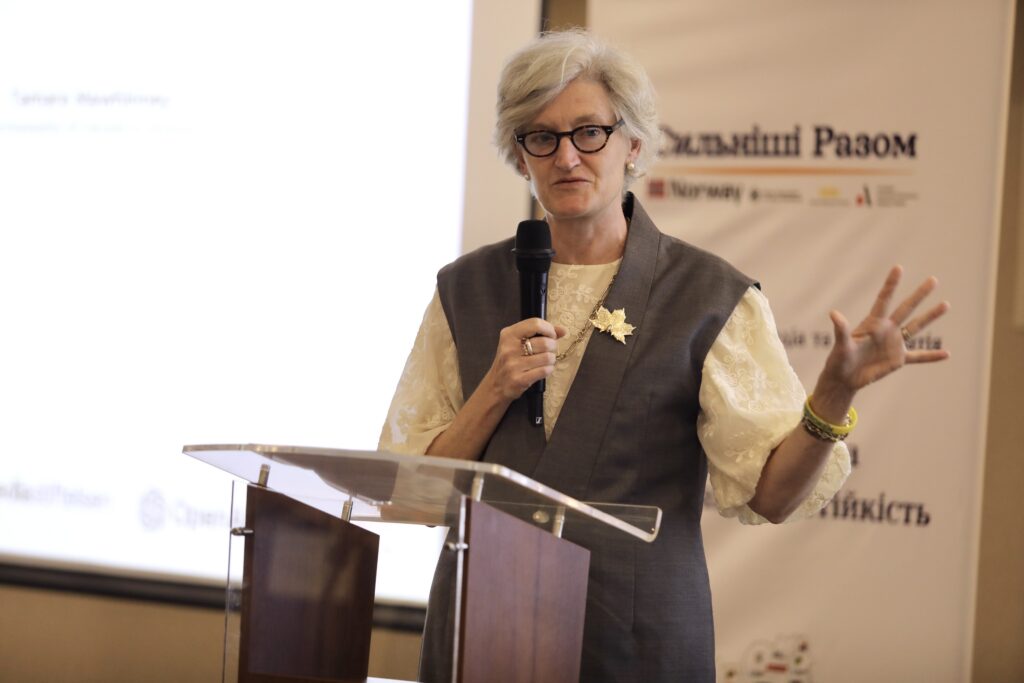
Tamara Mawhinney – Ambassador of Canada to Ukraine.
She spoke about the losses and difficulties journalists face: damaged infrastructure, changes in funding and pressure on independent media. She also recognised that Ukrainian teams continue to work and develop despite these circumstances.
“Canada has stood alongside Ukraine for a very long time: in 1991, in 2014 and in 2022. And that will not change,” said Tamara Mawhinney.
Ambassador Mawhinney stressed the importance of media freedom to Canada’s cooperation with Ukraine. She expressed a desire to learn more about the needs of Ukrainian newsrooms and understand what assistance would be most useful to them.
“Media freedom matters in all our bilateral cooperation, as well as in our work with partners. So I want to learn more and see how we can help in the most meaningful way and build these connections,” said Tamara Mawhinney.
She also highlighted the Canadian participants’ willingness to share their experience, including legislative mechanisms for protecting media freedom and independence. The delegation’s attendance gave Ukrainian newsrooms an opportunity to meet Canadian colleagues and discuss further cooperation.
The International Panel: How to Support Ukrainian Media
Rachel Pulfer, President of the Canadian organisation Journalists for Human Rights, linked support for journalists to Ukraine’s democratic future.
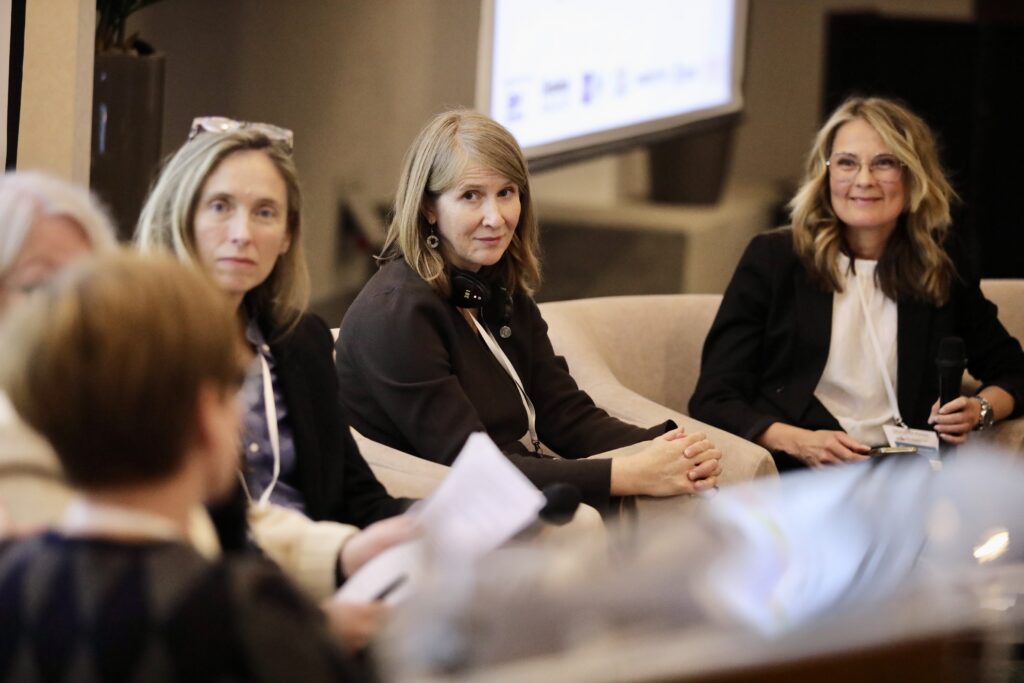
Rachel Pulfer, Melanie Walker and Riikka Tähtivuori
“During the war, independent media help people understand where it is safe and how to navigate this terrible situation. Your work also holds the authorities accountable. But most importantly, when this war ends and Ukraine wins, your work will help it remain a democracy,” said Rachel Pulfer.
She explained that her organisation was not yet running a programme in Ukraine. Attending the Media Congress was an opportunity to listen to newsrooms and explore future cooperation.
“We are not yet working in Ukraine, but we will continue to advocate for support for Ukraine and fight for it. We are here to listen, we are here to learn, and we are here to take ideas away and see what we can do together,” said Rachel Pulfer.
Melanie Walker, who represented WAN-IFRA at the Media Congress, suggested that support for journalism should also be considered through the lens of security.
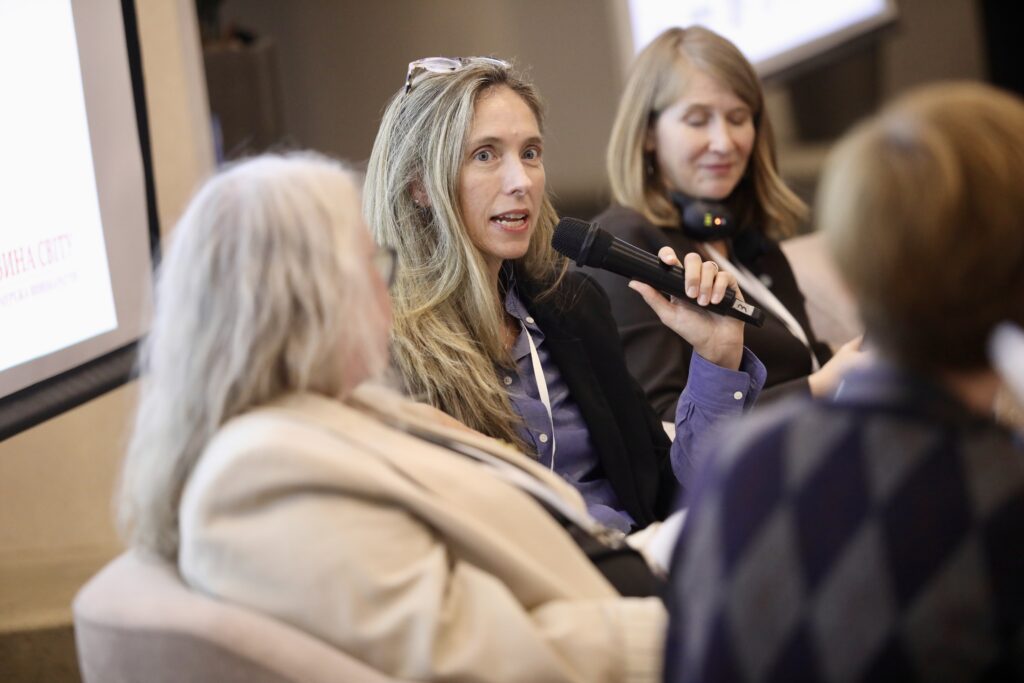
Melanie Walker – Executive Director of the Canadian International Council and a member of WAN-IFRA’s Media Freedom Board.
“Media are an important component of any defence or security strategy because societal resilience is an integral part of it. We always talk about human rights and democracy when explaining why independent media matter. But there is another dimension: protecting citizens from disinformation and manipulation,” said Melanie Walker.
Among the practical priorities, she identified newsroom modernisation and legal assistance for media facing pressure because of their investigations. Walker also spoke about her impressions of her Ukrainian colleagues.
“Every time I hear a story about what happened last week, I fall silent and ask myself: how do you do it? This is such an extraordinary community of people and media organisations that I work with,” said Melanie Walker.
Riikka Tähtivuori, Director of Advocacy at Finnmedia, presented the Finnish experience. She spoke about moving from emergency assistance to lasting partnerships and strengthening Ukrainian newsrooms.
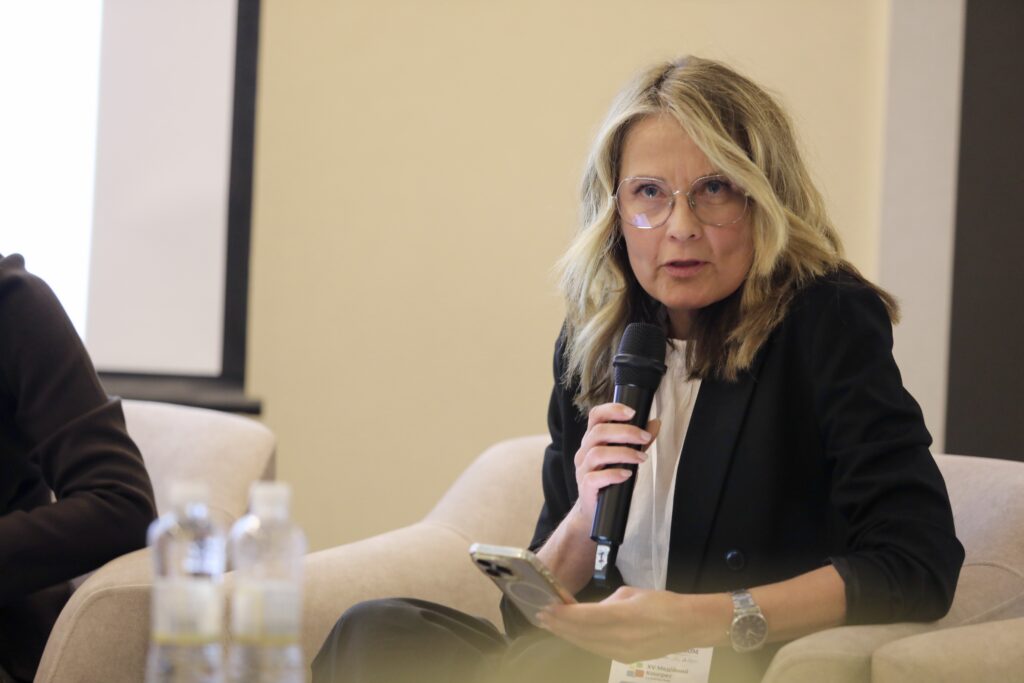
Riikka Tähtivuori – Director of Advocacy at Finnmedia.
“It is important for Ukrainian media to receive support from a range of democratic partners: Canada, Finland, Norway and other countries. Although our approaches may differ, the central idea is the same. We are not here to tell Ukraine what to do. We are here to learn from one another, share experience, support local capacity and build long-term cooperation,” said Riikka Tähtivuori.
She identified training, sharing Finnish expertise, and cooperation between schools, media and civil society as areas for further support.
“For us, the most important thing is to support media literacy and media education in Ukraine. We want to share Finnish expertise, help with training and strengthen cooperation between schools, media organisations, citizens and the authorities. Above all, we need to equip people with critical thinking, democratic skills and resilience,” said Riikka Tähtivuori.
Veslemøy Østrem moderated the discussion on international support. The panellists considered how to meet Ukrainian newsrooms’ immediate needs while supporting the development of independent media for the years ahead.
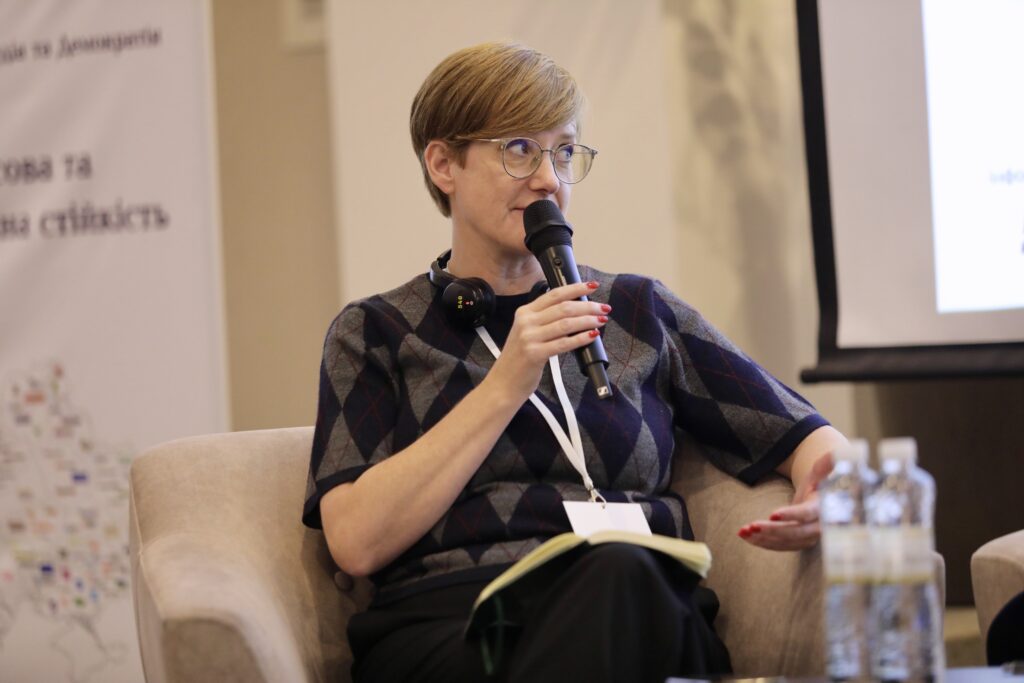
Veslemøy Østrem – moderator of the Media Congress, Norwegian media expert and former Editor-in-Chief of Altinget.
“What is one thing that you, your organisation or your country can do over the next 12 months to strengthen the future of independent media in Ukraine?” Veslemøy Østrem asked the panellists.
The answers focused on continued support, media education, newsroom modernisation and protecting journalists from legal pressure.
Erja Yläjärvi, Editor-in-Chief of the Finnish newspaper Helsingin Sanomat, devoted her presentation to managing media organisations through change. She spoke about trust, working with young audiences and verifying information as artificial intelligence develops.
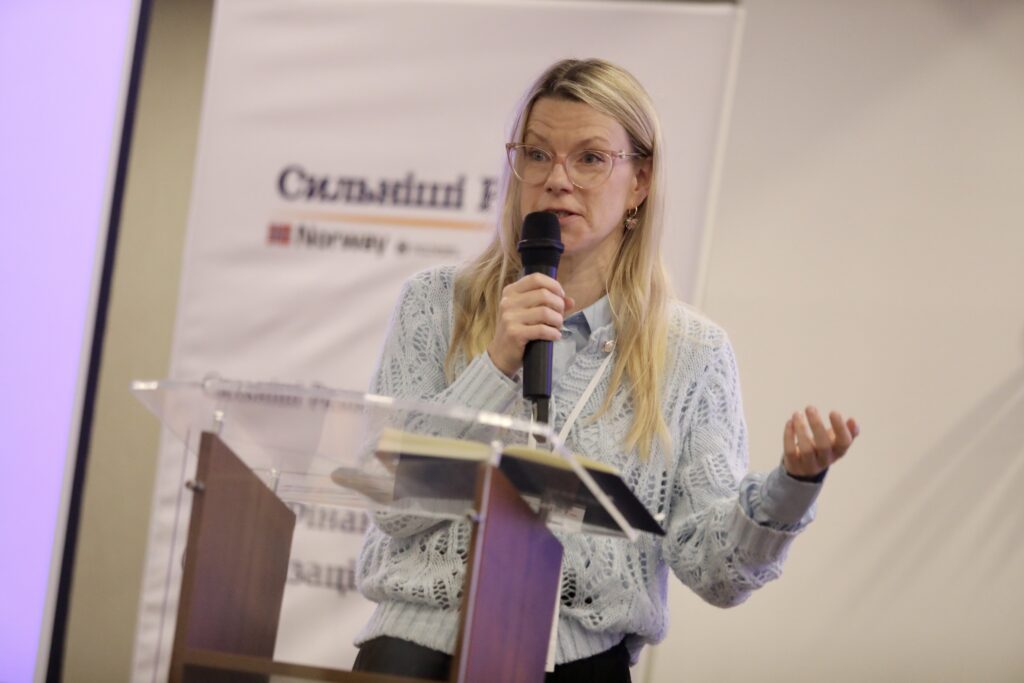
Erja Yläjärvi – Editor-in-Chief of Helsingin Sanomat.
“I ask my reporters not to get answers from company executives or politicians only by email or WhatsApp: those answers may not have been written by a person. We used to know that a press secretary might have written the response instead of the executive. Now, even a person is not necessarily needed to do it,” said Erja Yläjärvi.
She explained why journalists need to work more directly with people, despite pressure to produce stories faster.
“In the age of artificial intelligence, owners want greater efficiency. They want us to work faster and be more productive. But you need to go out more and talk to people more. This is no longer a question of the size of your newsroom. It is a question of how you do your work,” Erja Yläjärvi emphasised.
The Ukrainian Experience: Staying Close to the Community
The practical discussion of independence and the future of newsrooms also featured Yevhen Khrypun, Editor-in-Chief of Mezhivskyi Merydian; Anna Matviienko, CEO of Dnipro.media; Oleksandr Solomko, CEO of Na Mezhi; and Taras Prokopyshyn, co-founder and CEO of The Ukrainians Media.
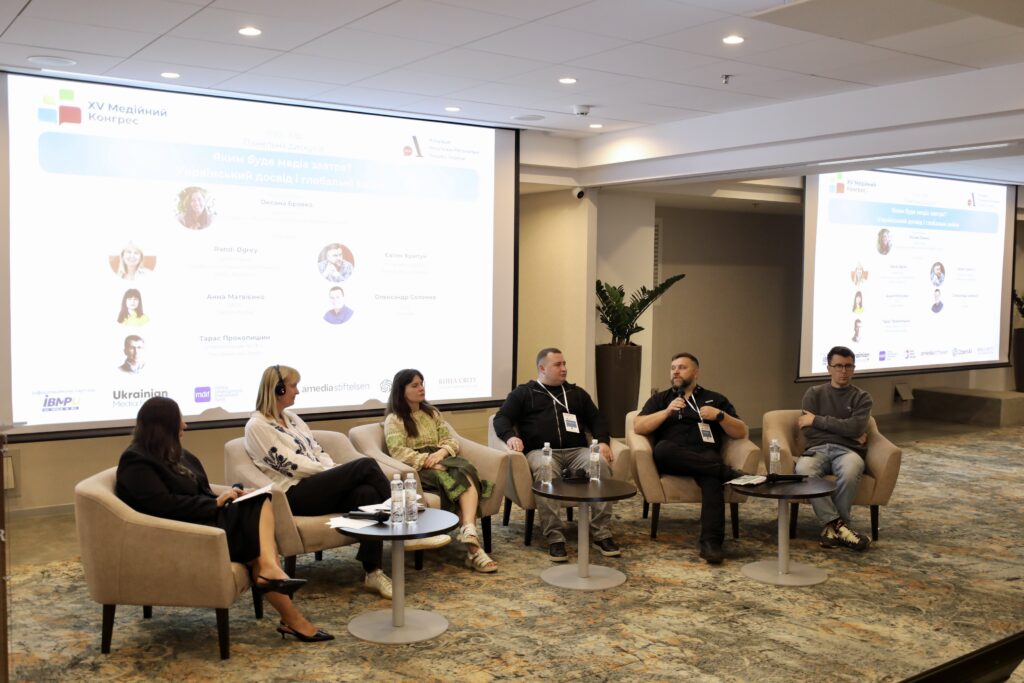
Yevhen Khrypun described how Mezhivskyi Merydian continues to work after losing its newsroom premises. Mezhova, a settlement in eastern Dnipropetrovsk region, is now effectively in an active combat zone. Despite the danger, the editor travels there himself, risking his life to meet people who are still in the community, listen to their stories and report on their needs.
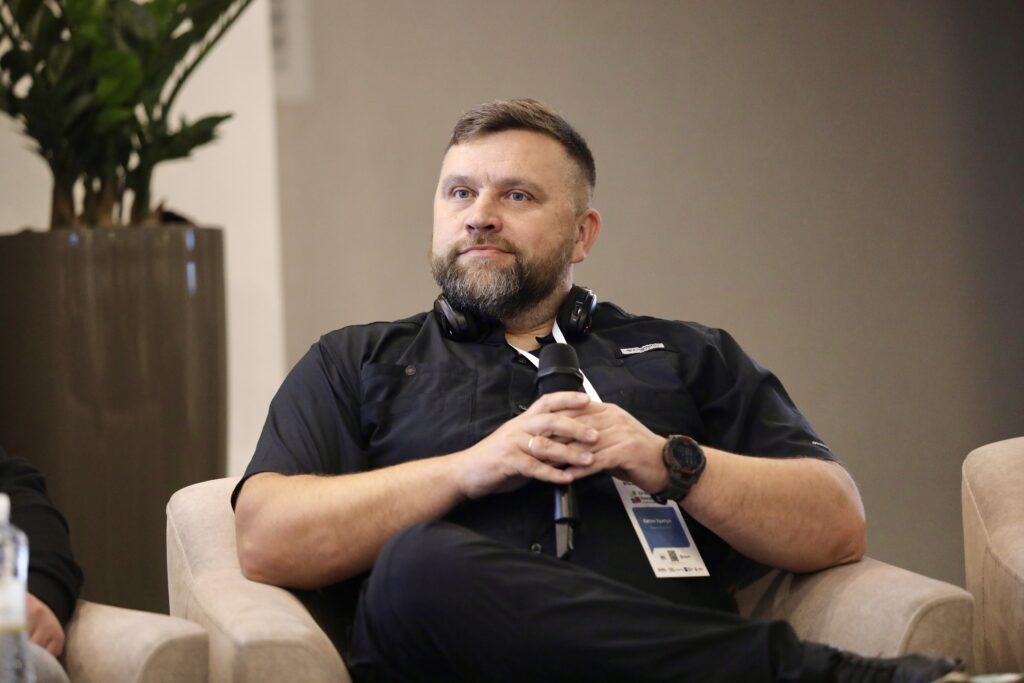
Yevhen Khrypun – Editor-in-Chief of Mezhivskyi Merydian.
The newsroom stays in touch both with those who have remained and with readers who have evacuated. The team also visits people from their community in the places where they now live and reports on how they are rebuilding their lives after being forced to leave.
For Khrypun, the newspaper’s future is tied to the changing life of the community itself.
“How long will the war last? Will our Mezhova be occupied? To what extent will the people who have left integrate into the places where they now live, and will they remain our readers? These are the most important questions that will shape our vision for the future of our media outlet,” said Yevhen Khrypun.
He also spoke about the risks of working close to the fighting and the need for safety support for local journalists.
Anna Matviienko spoke about Dnipro.media’s investigations, its fight for access to information and the pressure on the newsroom. She explained that published stories are underpinned by a great deal of exhausting work that readers never see.
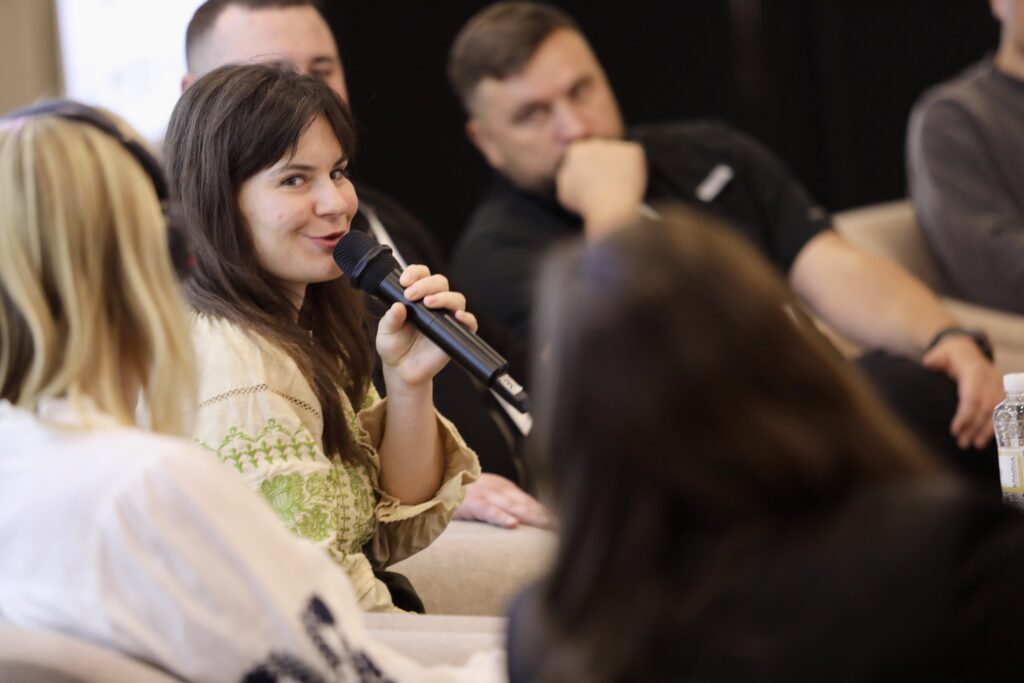
Anna Matviienko – CEO of Dnipro.media.
“People often ask us, too: ‘Aren’t you scared?’ I say: ‘I am very scared. But who will do it if we don’t?’ I think it all starts with asking yourself the right question: why am I doing this, and do I feel I have the inner strength to fight? Without that, nothing will happen. And everyone will be scared,” said Anna Matviienko.
When the newsroom spoke publicly about the pressure it was facing, members of its community, lawyers and other media professionals came forward to support it.
“Lawyers, legal professionals and colleagues from Dnipro’s media came forward from the community and said: ‘We will stand by you. If there is a lawsuit, we will support you.’ And that is the most valuable thing. It is the confidence that you can rely on colleagues, friends and international media that will support you when you come under pressure,” said Anna Matviienko.
Her advice to small newsrooms included understanding the value of their work and finding professional support.
Oleksandr Solomko explained why the Na Mezhi team remains in Sumy region. Local journalists can be present in communities that larger media organisations cannot cover continuously. One of their main areas of work is providing timely information through messaging platforms.
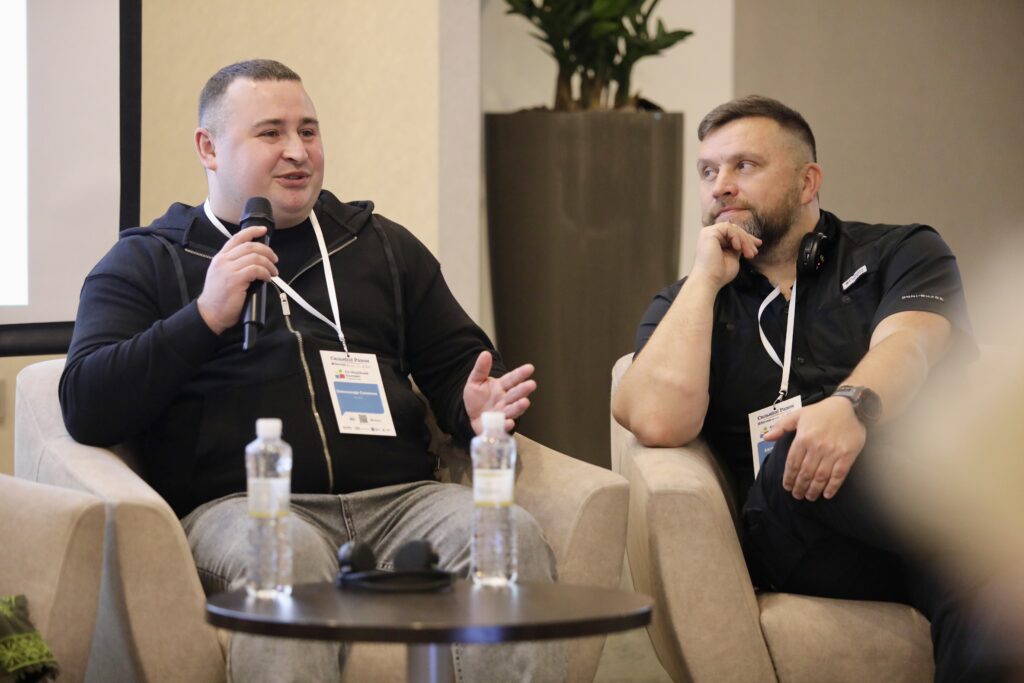
Oleksandr Solomko – CEO of Na Mezhi.
“We understand very well that many people’s lives depend on how quickly we inform them about threats. So if we have an opportunity to warn people about shelling, a drone strike, an evacuation or another important event, we do it immediately. It does not matter whether it is day or night,” said Oleksandr Solomko.
The team is also developing video reporting that shows everyday life in frontline communities.
“If you look at the news headlines, you might conclude that everything here is about shelling, missiles and the front line. In reality, behind every event are people. There is a family that has lost its home. There is a woman who refuses to leave her frontline village until the very last moment. There is a child who continues studying in these conditions. There are rescue workers, medics, soldiers and volunteers. There are people who keep life going in their communities for as long as they can. These are the people we want to tell stories about,” said Oleksandr Solomko.
The newsroom’s preparations for winter include backup premises, portable power stations and firewood to help it continue working in difficult conditions.
Taras Prokopyshyn shared The Ukrainians Media’s experience of building a community. He spoke about the approximately 4,100 people who support the organisation financially each month. This work helps reduce dependence on grants.
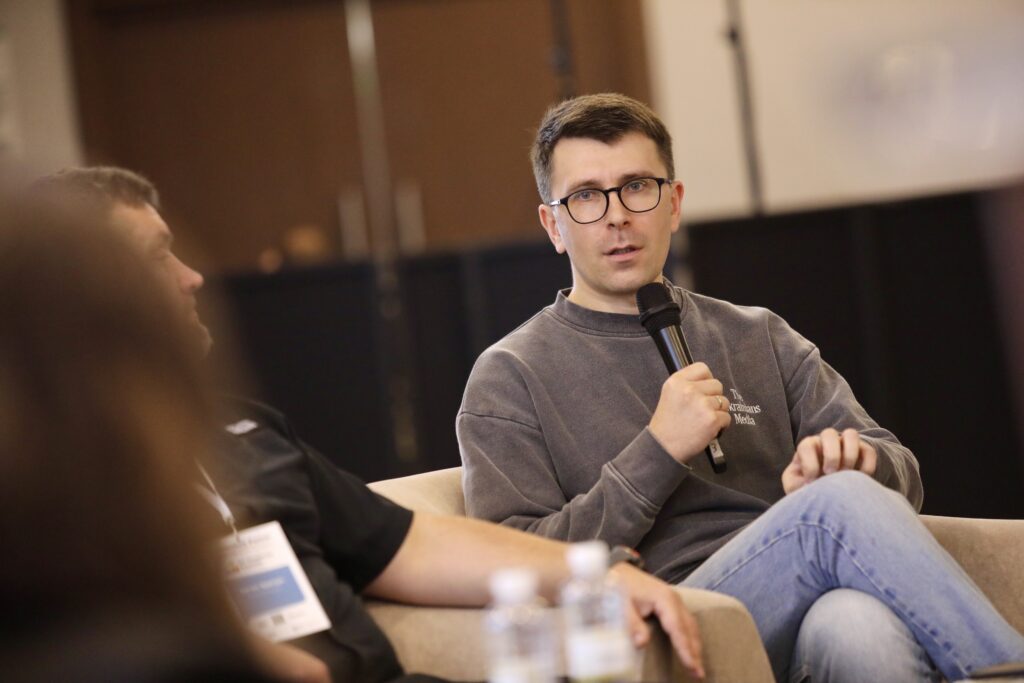
Taras Prokopyshyn – co-founder and CEO of The Ukrainians Media.
“I believe we need to think less about content and more about relationships, engagement and trust. And this connection with the audience works very well: not with millions of people who happen to come across you, but with thousands or tens of thousands who believe your work matters,” said Taras Prokopyshyn.
He identified meeting in person as an important tool. The Ukrainians Media organises events for its community, including book clubs.
“People miss being in touch. We have plenty of websites and plenty of digital connections. But this human interaction – seeing one another, talking, sharing experiences, going through things together and sharing troubles or achievements – is, I think, what works best. Of course, I understand that this is very difficult in a frontline town, but there are other possibilities there too. The main thing is to maintain that connection,” said Taras Prokopyshyn.
“To me, this is a uniquely Ukrainian phenomenon: through our communities, we support the army, save wounded colleagues and begin building communities that can give us some sense of a more or less stable future for our media,” Oksana Brovko said during the panel.
Participants also discussed preparations for winter, support for their teams and the limits of their responsibilities when filming in frontline communities. For these newsrooms, strategic planning starts with being able to work safely, having electricity and staying connected to their readers.
Recognition for Professional Resilience
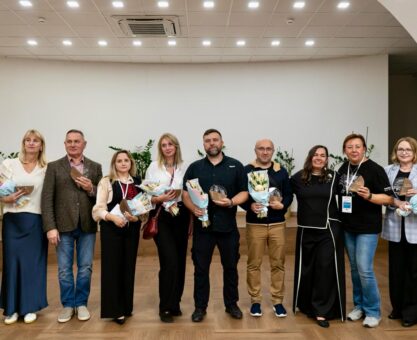
At the Media Congress, seven Ukrainian newsrooms received awards “For Light in the Darkness and Professional Resilience”: Mahala, Slobidskyi Krai, Dostup. Media, Molodyi Bukovynets, Slovianski Vidomosti, Aktsent and Mezhivskyi Merydian.
Read also: “Those Who Keep the Light On”: honouring Ukraine’s regional media
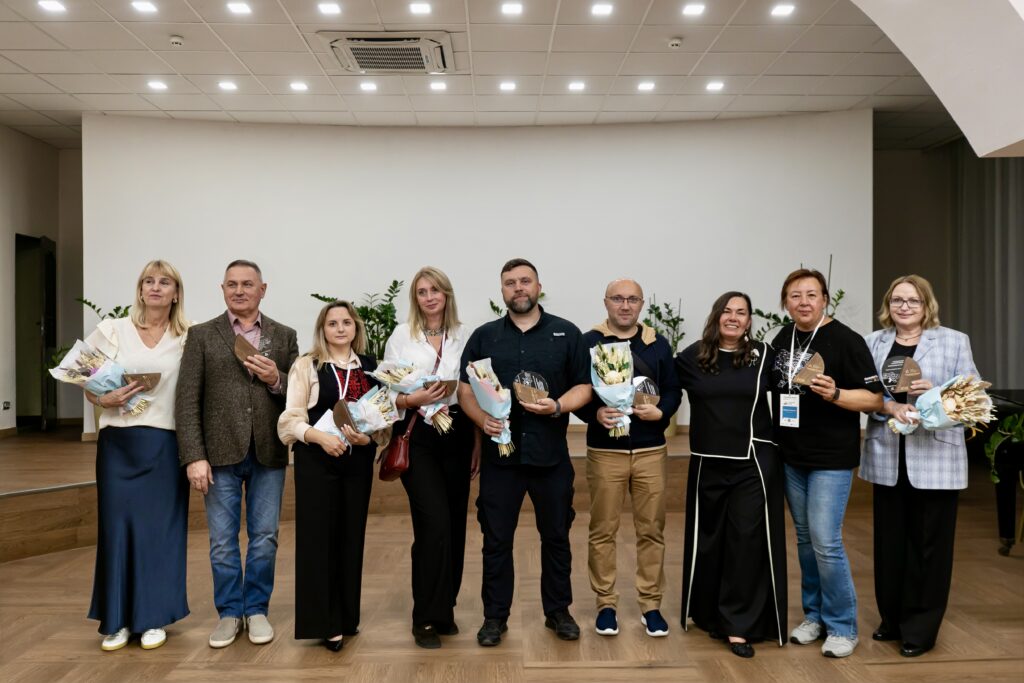
International partner MBL received a separate award. It was presented to Randi Øgrey in recognition of support for Ukrainian media and a longstanding partnership.
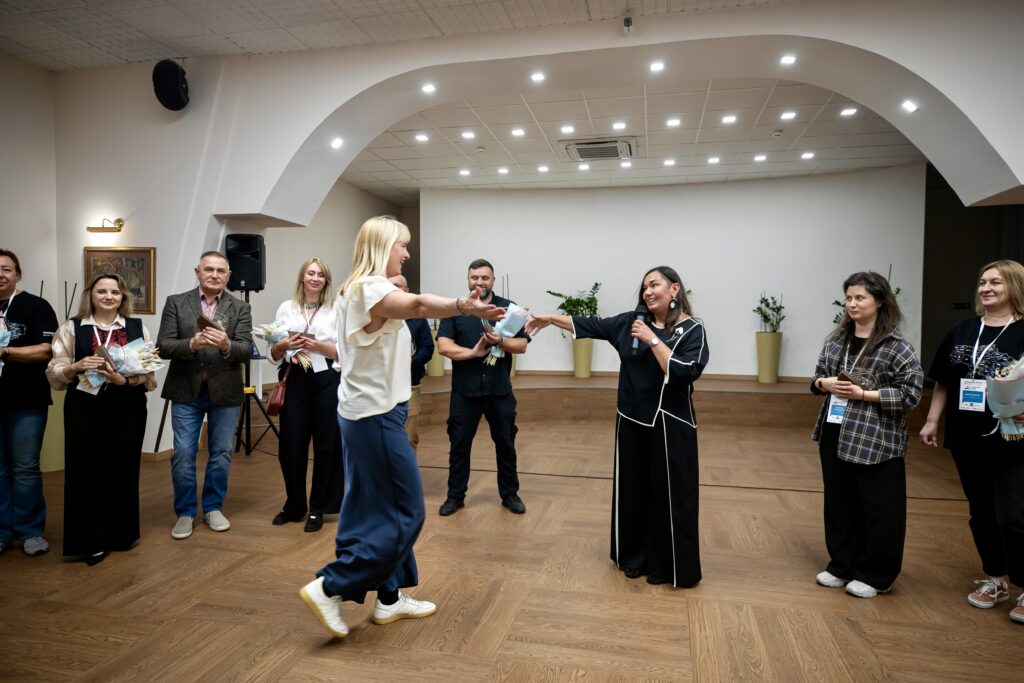
After the event, Oksana Brovko wrote that the community’s familiar belief that people can be stronger together had taken on another meaning for her: together, they are also warmer. She thanked the participants, international and Ukrainian partners, speakers, moderators and the team that had made the gathering possible. She expressed the hope that media professionals would take this sense of support back to their communities.
The 15th Media Congress took place as part of “Stronger Together: Media and Democracy”, implemented by AIRPPU in partnership with WAN-IFRA and MBL with support from Norway. The event was also supported by News Media Finland, the Ukrainian Media Fund, the Amedia Foundation and MDIF. The information partner was Ukraine’s Multimedia Platform for International Broadcasting.