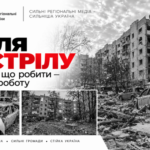
Government decisions, business activities, and security threats all require independent journalistic scrutiny. Regional newsrooms investigate these issues by examining documents, analyzing open data, reporting on the ground, and questioning those responsible. The Association of Independent Regional Press Publishers of Ukraine (AIRPPU) has brought together five video investigations that showcase the results of this work.
The investigations were produced by Frontliner, Odesa Life, Poltava Wave, Donbas News, and Dnipro.Media as part of the Regional Video Investigations UA Project. Implemented by AIRPPU in partnership with The Fritt Ord Foundation, the project helps regional newsrooms strengthen their video journalism capabilities and bring stories of public importance to wider audiences.
Frontliner: What Is Russia Building Near NATO’s Borders?
Frontliner investigates whether Russia is preparing for a potential war with NATO countries, focusing on Finland and the Baltic states. The journalists examine reports of hybrid attacks and expanding military infrastructure, comparing recent developments with the warning signs that preceded Russia’s full-scale invasion of Ukraine.
The team spoke with Lithuanian analyst Romas Judinas and Finnish analyst Emil Kastehelmi, both of whom monitor Russian military activity. The investigation also examines findings from a joint investigation by NRK, SVT, DR, and Delfi concerning infrastructure designed to accommodate up to 115,000 troops near Russia’s northern and western borders.
According to the analysts interviewed by Frontliner, at the time of reporting, a significant proportion of Russian units previously stationed in this region were fighting in Ukraine. There was no fully assembled force positioned near NATO’s borders capable of launching a large-scale offensive. However, the analysts warn that the threat could grow if active hostilities in Ukraine come to an end and Russia begins redeploying troops towards NATO territory.
What warning signs could indicate preparations for an offensive, and what lessons from the war in Ukraine should European armies take into account? Watch Frontliner’s video investigation to find out.
Odesa Life: How Three Extra Floors Appeared at Lanzheron Beach
Odesa Life traces the development of the M1 Club Apartments complex in the Lanzheron area of Odesa. According to documents examined by the newsroom, the original plan called for existing buildings on land designated for recreational use to be reconstructed into an eight-storey wellness centre. Instead, the development grew to eleven storeys.
The journalists investigated the orders issued by the city’s construction oversight authority and how the developer challenged its actions in court. A representative of the authority stated that it had exercised all the powers available to it. The newsroom was unable to obtain a response from the developer.
What happened to the official orders and the court-ordered seizure of the land plot? And what did the journalist discover when investigating apartment sales? Find out in Odesa Life’s video investigation.
Donbas News: Who Profits from Former AVK Factories Under Russian Occupation?
Donbas News investigates the confectionery business operating at former AVK production facilities in Russian-occupied Donetsk and Luhansk. Journalists compared factory addresses, product ranges, and the packaging of Lakond sweets with corporate ownership records.
The team tracked down products sold in Central Asian markets, where Russia was listed as their country of manufacture. The investigation also presents information about taxes paid to the Russian budget and traces connections between the business owners and companies in Ukraine. According to the newsroom, AVK did not respond to its requests for comment.
Where did the search for the owners of Lakond companies lead, and how is AVK’s bankruptcy case in Ukraine connected to the story? Watch the Donbas News video investigation.
Dnipro.Media: Nearly UAH 55 Million for Patrolling Bomb Shelters
According to Dnipro.Media, the Dzheb security company received nearly UAH 55 million over two years for patrolling modular shelters in Dnipro. The contract examined by the newsroom requires round-the-clock patrols of 58 shelters across the city.
Journalist Liudmyla Zamirska visited the shelters and reviewed video footage but did not observe any patrols during the periods she examined. The newsroom also requested patrol records from the municipal contracting authority but did not receive them. Attempts to obtain a comment from Dzheb’s director were unsuccessful.
Who owns the security company, and what business connections did the journalists uncover? Watch Dnipro.Media’s video investigation.
Poltava Wave: How Much Is the Region’s Chief Investigator’s House Really Worth?
Poltava Wave examined the asset declarations of Serhii Rekun, First Deputy Head of the Poltava Regional Police and Head of its Investigation Department. According to his declarations, a land plot in the Mizhrichchia cottage development near Kyiv was valued at UAH 70,000, while the house on the property was declared at UAH 498,000.
The journalists compared these figures with property listings from sellers and archived advertisements. They also examined changes in the family’s income and savings over time. In his written response to the newsroom’s questions, Rekun referred to his asset declaration.
Who gave the police official an apartment as a gift, and what did journalists discover in satellite imagery? Watch Poltava Wave’s video investigation.
The Regional Video Investigations UA Project is implemented by the Association of Independent Regional Press Publishers of Ukraine (AIRPPU) in partnership with The Fritt Ord Foundation.