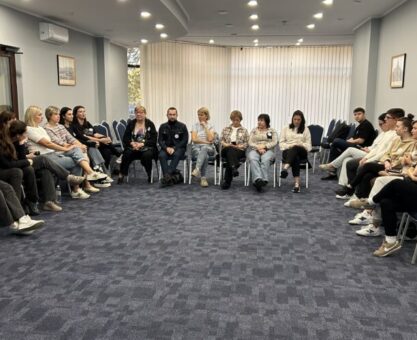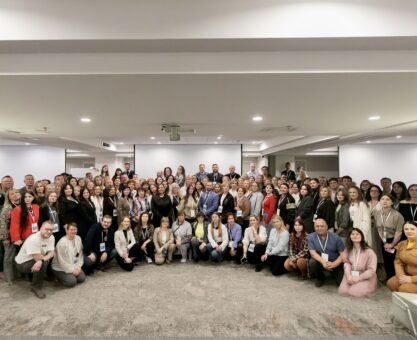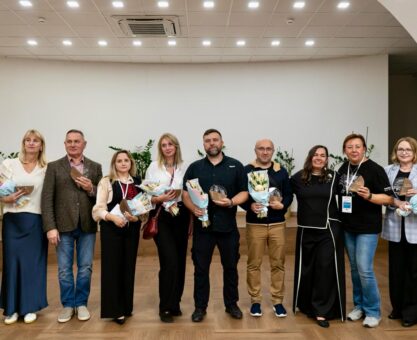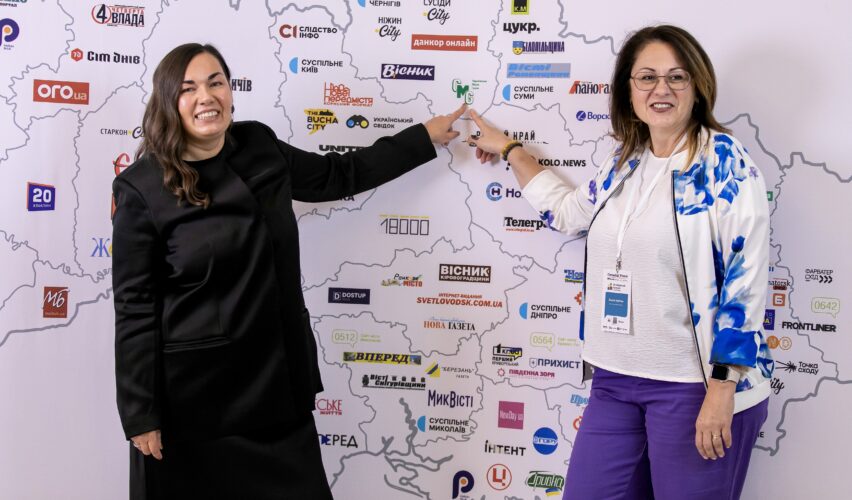
Meeting colleagues they had only seen online for months, learning how newsrooms across Ukraine are working, exchanging ideas, and discovering new ways to strengthen their own media outlets. And just as importantly, sharing hugs, talking about everyday challenges, and feeling the support of people who understand what it takes to keep journalism going during wartime. These were some of the moments that made the 15th Media Congress of the Association of Independent Regional Press Publishers of Ukraine (AIRPPU) in Lviv so memorable for its participants.
The Media Congress brought together representatives of local media outlets from across Ukraine, including frontline communities, as well as editors, journalists, and media experts. They shared their experiences of reporting during the war, discussed the future of their newsrooms, financial sustainability, and the opportunities offered by new technologies. For some, the most valuable part was discovering practical solutions from fellow journalists. For others, it was simply the chance to finally meet in person.
The In-Person Meetings Everyone Had Been Missing
Regional journalism today extends far beyond the walls of a single newsroom or the boundaries of one city. Journalists collaborate on projects, attend training sessions, and exchange experience, but much of this communication takes place online. For many participants, the opportunity to come together in Lviv was therefore one of the main reasons to attend.
Maryna Osipova from Visnyk Ch says it is the people she will remember most about the Media Congress. Working remotely allows colleagues to get to know one another professionally, but they may go months without ever meeting face to face.
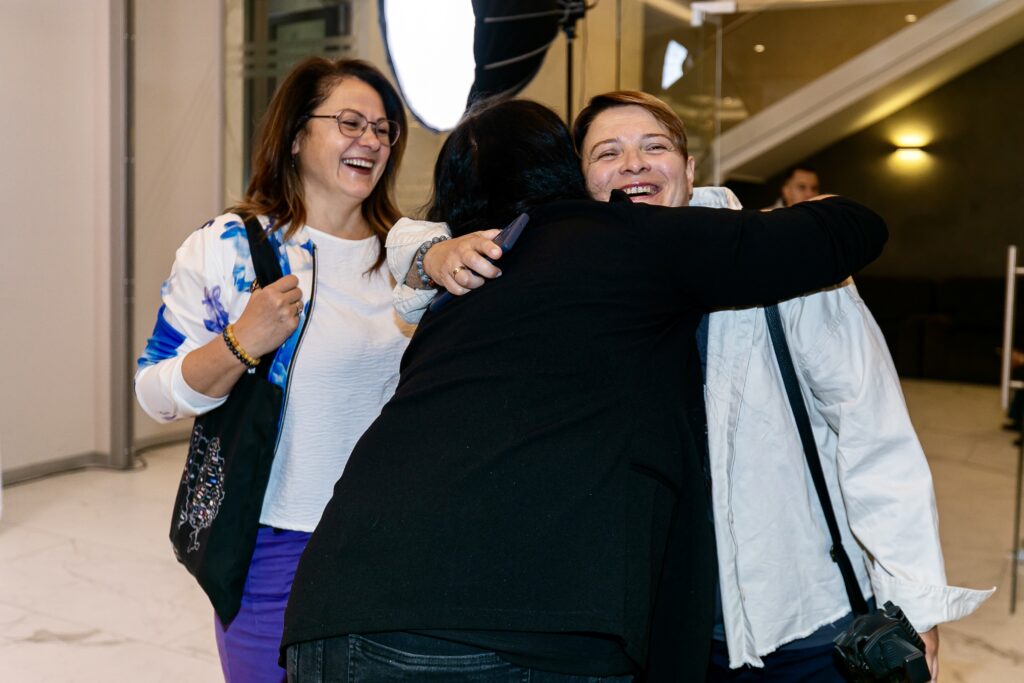
“For me, this Congress is first and foremost about people and hugs. Our team usually meets online. We don’t even know how tall everyone is or what we really look like in person. But being able to give a colleague from Kharkiv or Chernivtsi a really big hug and feel that we truly are stronger together means so much,” Maryna shared.
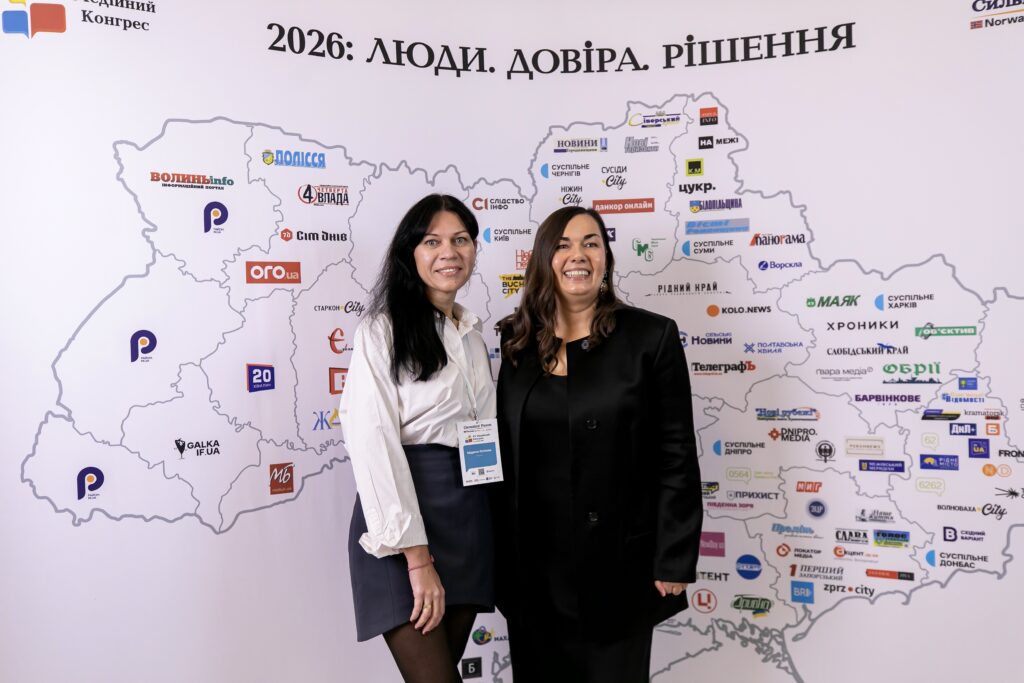
Olha Nikitiuk from Chernihiv Media Group shares this feeling. She came to the Media Congress hoping to reconnect with familiar faces, hear how other newsrooms were doing, and learn how fellow journalists were dealing with their daily challenges. She was also keen to discover new approaches that could be useful in her own work.
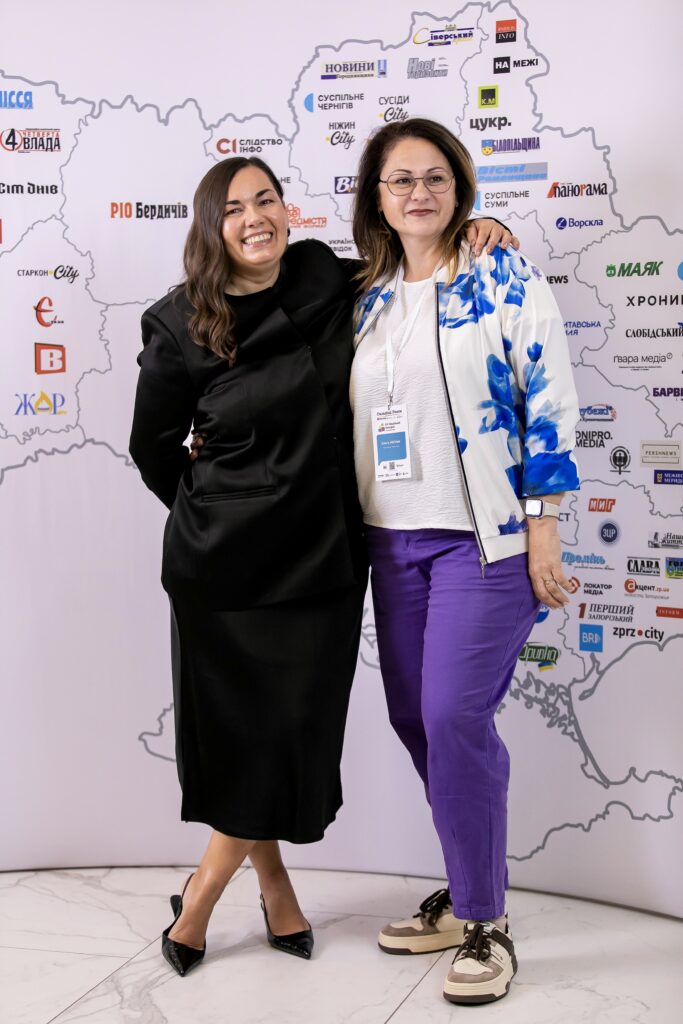
Olha explains that newsroom teams are often so focused on their daily responsibilities that they have little time to connect with colleagues beyond work. Events like this offer more than professional knowledge. They also bring renewed energy and motivation, both of which can be hard to find during the war.
“We all work in our own little corners, each in our own newsroom. Meetings like this are inspiring and give us more energy for our work. I’m so happy to see everyone. I love you all,” she said.
Anna Zarudska, a journalist at the Poltava-based online outlet Kolo, arrived in Lviv full of enthusiasm and determination. For her, the Media Congress was an opportunity to meet new people, discuss professional challenges, and discover new possibilities for her work. She was ready to make the most of the event through conversations, learning, and new connections.
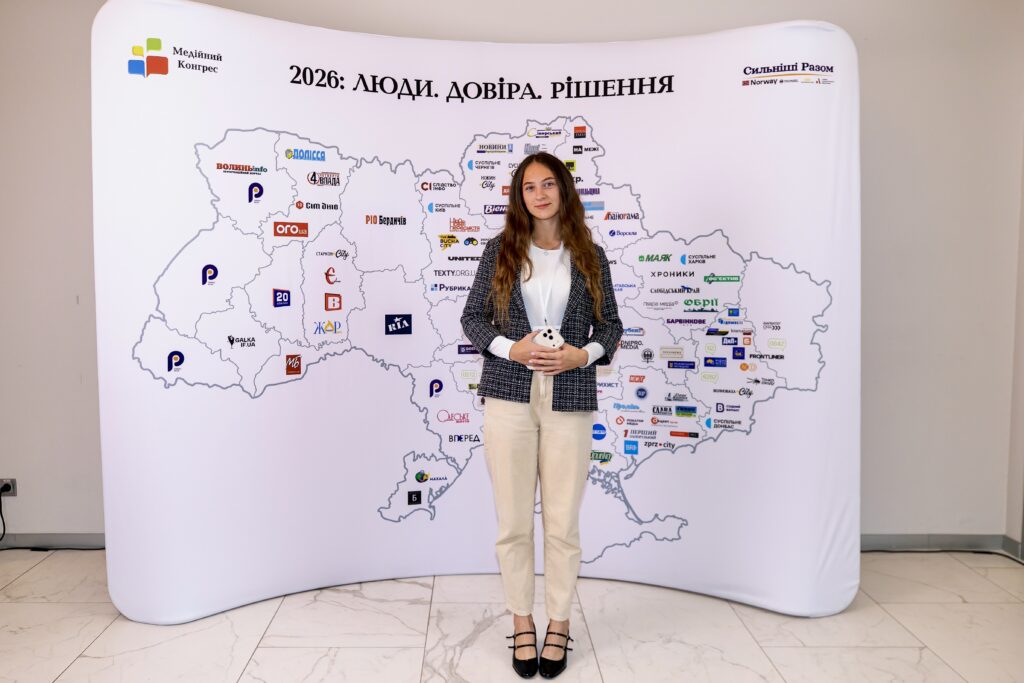
Among the participants was also Liudmyla Smoliar, a mentor who helps media outlets, including regional newsrooms, build and strengthen their reader communities. For her, the Media Congress offered another opportunity to spend time with fellow media professionals involved in developing newsrooms and building stronger relationships with audiences.
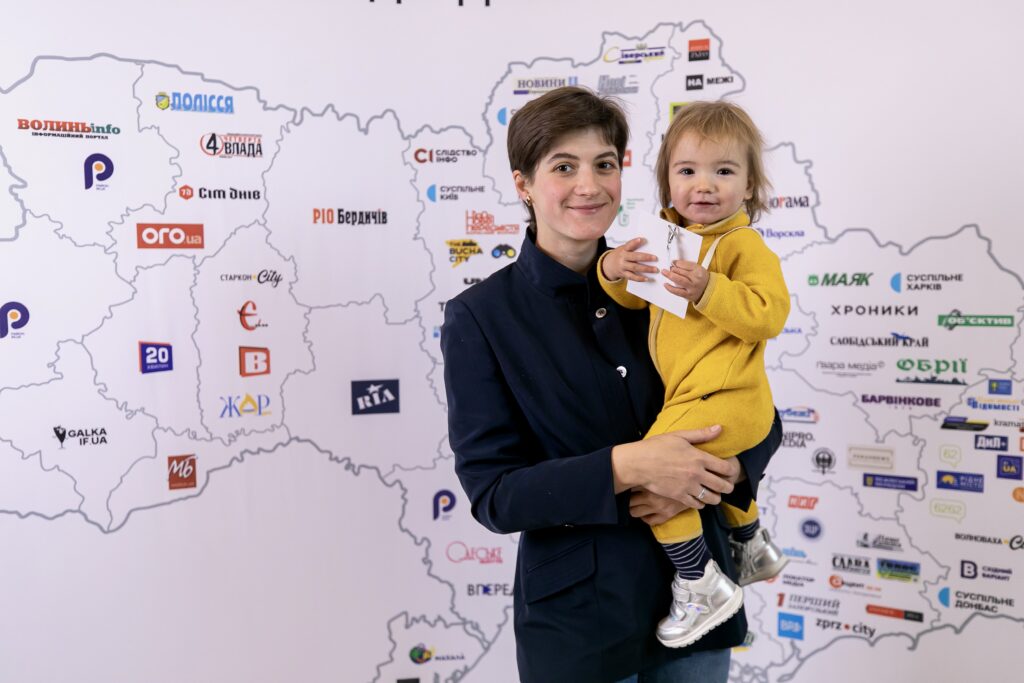
From Frontline Communities to Lviv
Not every participant could simply set aside their work and travel to Lviv for a few days. For newsrooms operating near the front line, everyday journalism comes with constant security risks, while travelling to professional events can require considerable effort.
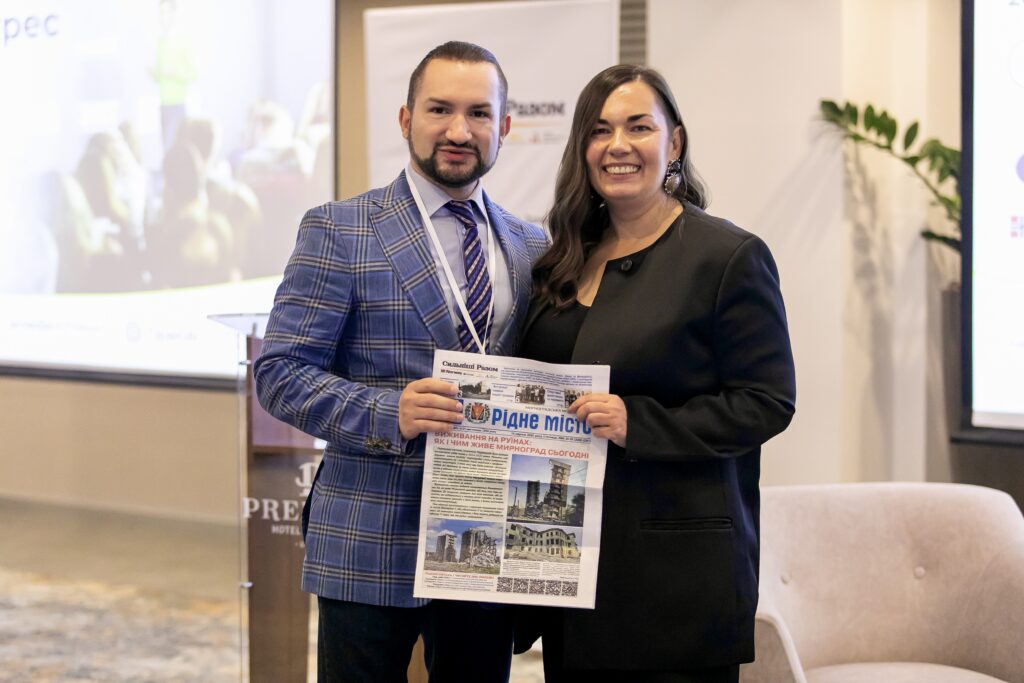
Maksym Zabielia, editor-in-chief of Ridne Misto, the local newspaper from Myrnohrad in Donetsk Oblast, said he arrived in a positive mood despite the difficult journey. He tried to leave behind, at least temporarily, the pressure of recent working days, shelling, and the challenges of reporting close to the front line.
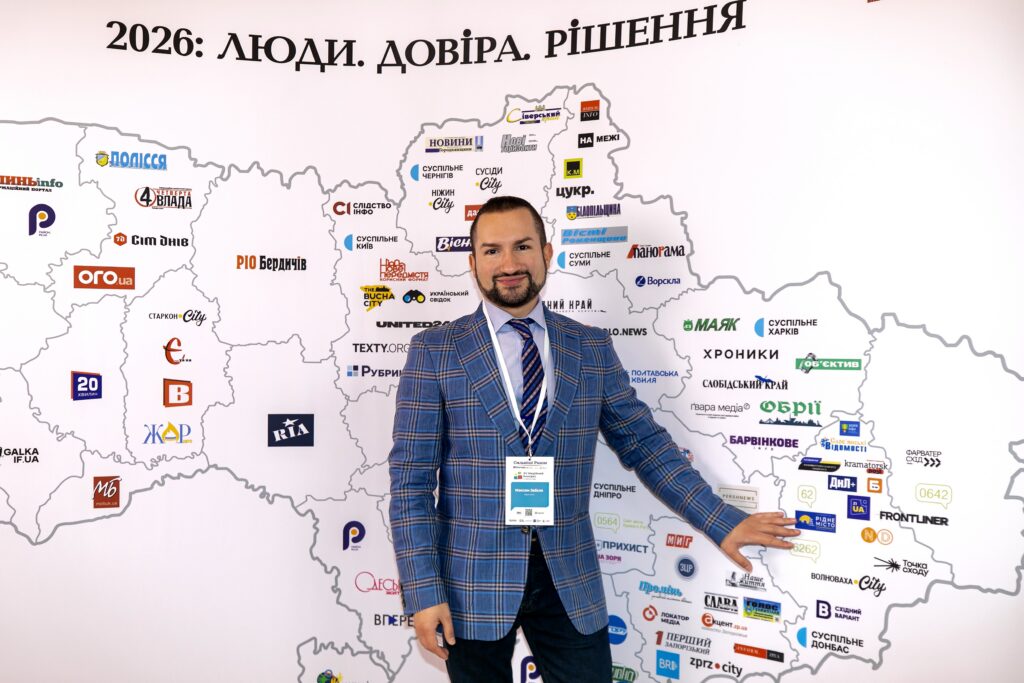
“When we have the chance to spend even a day or two communicating with colleagues in a relatively safe environment, we need to make the most of that opportunity,” the editor said.
Viktoriia Shatylo, editor-in-chief of TheBuchaCity, also spoke about the difficulties of getting to Lviv. She admitted that she had felt anxious during the journey, which had been far from easy. Nevertheless, meeting fellow journalists was particularly important to her.
“I arrived feeling very anxious. The journey was difficult, and it was hard to get here. But I came hoping to meet colleagues, see everyone again, and discuss the things that concern us now. Above all, our future and how we will continue working,” Viktoriia shared.
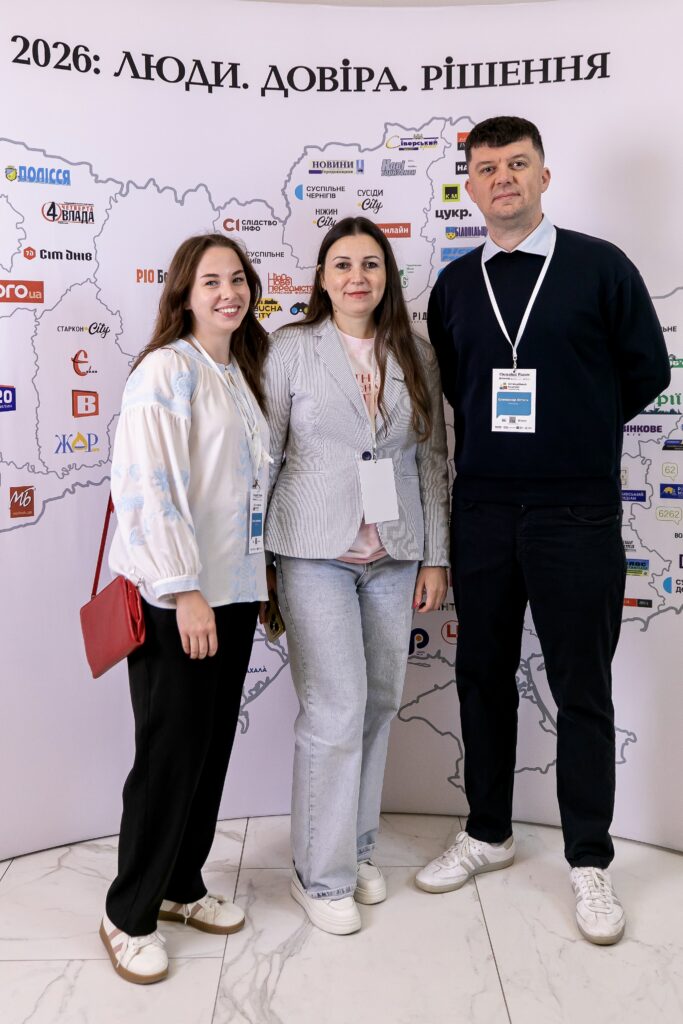
Questions about the future are especially pressing for small local media outlets. Some newsrooms have lost their usual working conditions because of the war, while others have had to relocate and continue publishing remotely. Despite these challenges, journalists are doing their best to stay connected with the communities they serve, even when they are physically far away.
One such outlet is Trudova Slava from Orikhiv in Zaporizhzhia Oblast, represented at the Media Congress by Svitlana Karpenko. The newsroom has had to relocate and adapt to new working conditions while maintaining its connection with readers.
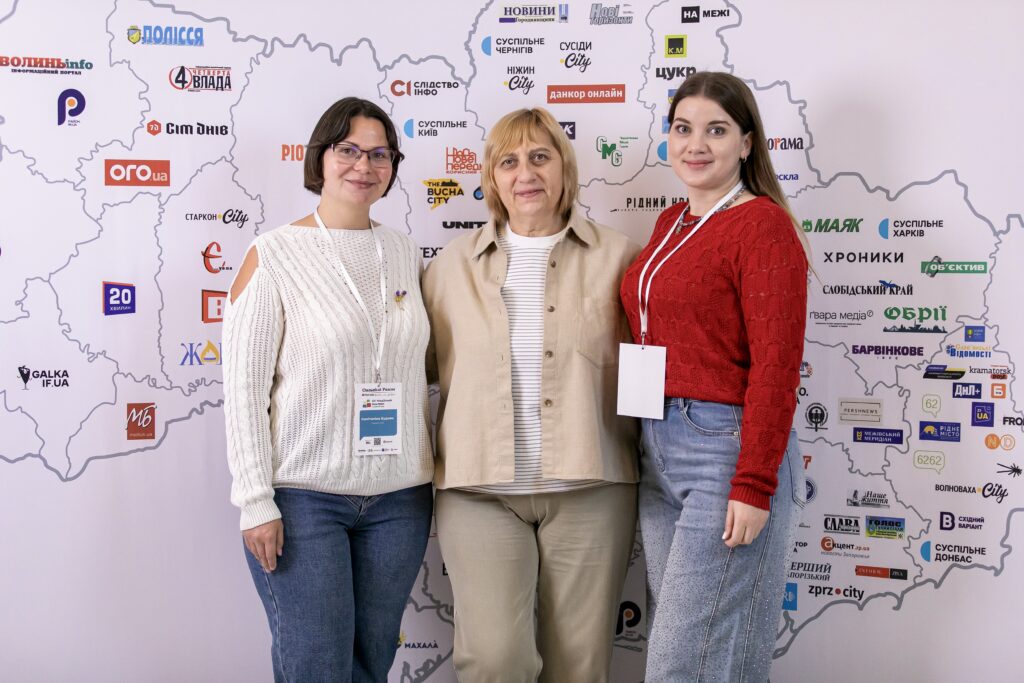
For Svitlana, attending the Media Congress was a reminder that even a small local newsroom does not have to face its challenges alone. She particularly appreciated the supportive atmosphere and the feeling of belonging to a wider professional community.
“I’m always in a wonderful mood at events like this because you feel you’re part of a big media family. And I’m grateful to the Association for that,” Svitlana said.
Iryna Stolbova from Visti Barvinkivshchyny also came to Lviv with hope and optimism. She was particularly interested in learning from other newsrooms: how they organise their work, what solutions they find in difficult circumstances, and which ideas could be applied in her own newsroom.
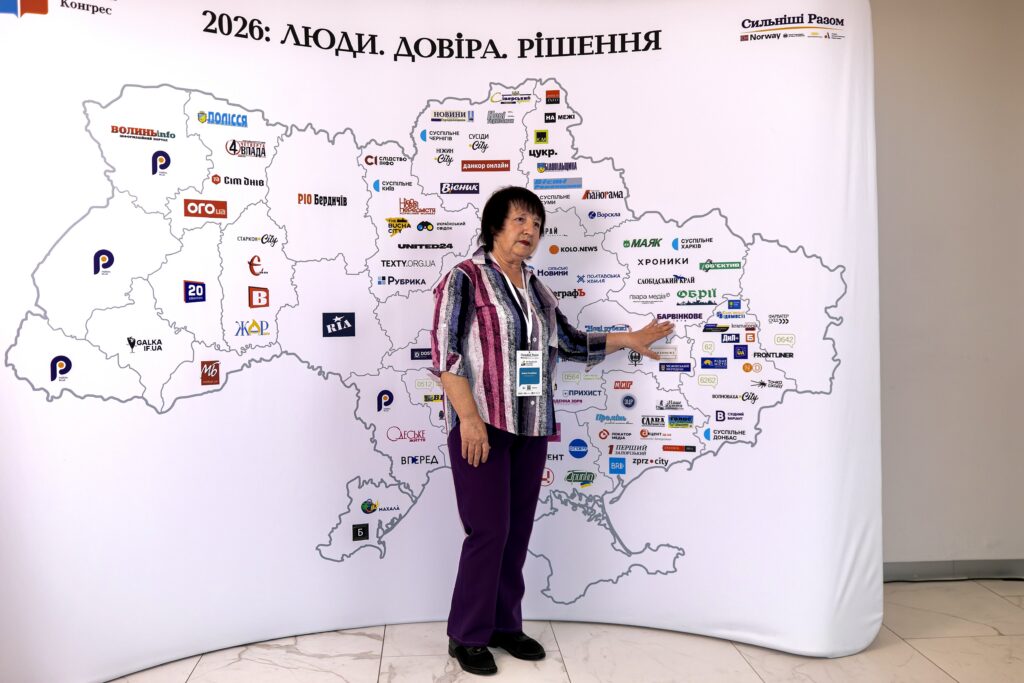
Ideas Participants Are Taking Back to Their Newsrooms
Beyond the opportunity to reconnect, the Media Congress offered participants a chance to learn how other newsrooms are solving practical challenges. Discussions focused on generating revenue, strategic planning, newsroom management, and technologies that can make everyday work easier.
Yevhen Khrypun from Mezhivskyi Merydian attended the Media Congress for the first time. His newsroom is part of the Stronger Together project, and he was particularly impressed by the number of participants and the diversity of their experiences.
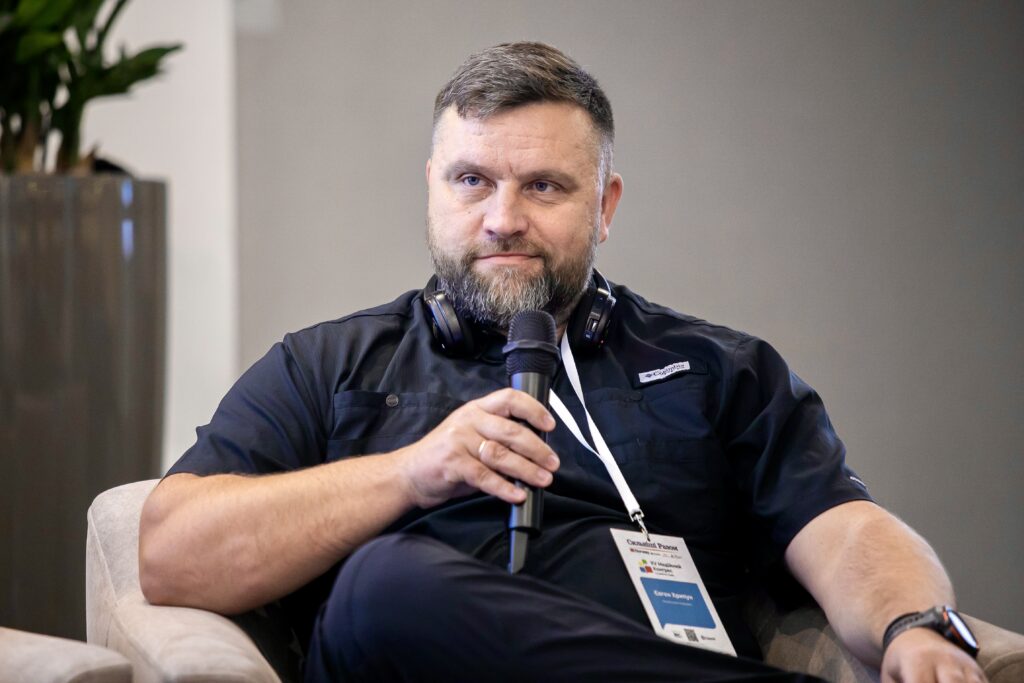
Yevhen admitted that it was difficult to put all his impressions into just a few words. What mattered most to him was seeing such a large community of journalists from across Ukraine, all continuing to work under different circumstances while looking for new opportunities to strengthen their media outlets.
Among the professional discussions, he was particularly interested in media monetisation and development strategies. He believes that local newsrooms need to start planning for their future, improving their operations, and exploring new sources of revenue now, despite the ongoing war.
New technologies and artificial intelligence also attracted considerable attention. For newsrooms operating with small teams, these tools can help reduce time spent on routine tasks and improve internal workflows.
Oleh Horobets from RIA Media said he was especially impressed by the experience shared by colleagues from Mykolaiv. They had independently developed a system for managing editorial content and tasks using artificial intelligence, without hiring software developers.

“Something that would have cost thousands, perhaps even tens of thousands, they managed to build themselves at no cost,” Oleh explained.
In his view, the example from Mykolaiv shows that Ukrainian newsrooms can do more than simply adopt existing technologies. They can also develop their own solutions tailored to their needs. Such tools can improve the quality of their work, speed up everyday processes, and help teams make better use of limited resources.
Learning from colleagues gives other newsrooms a clearer understanding of which tools already work in practice and where they might begin making changes of their own.
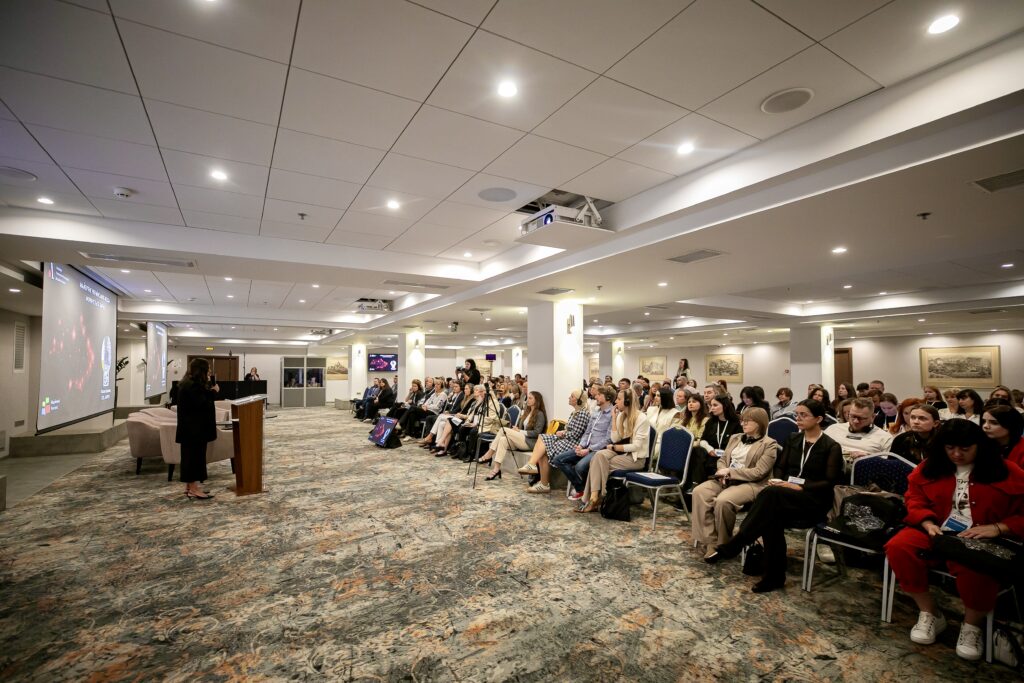
For some participants, the greatest value of the Media Congress was discovering practical solutions they could bring back to their newsrooms. For others, it was the chance to speak with people who truly understand their everyday challenges. In Lviv, there was room for both: serious conversations about the future of local journalism, and the friendships, personal connections, and long-awaited hugs that make this community so special.
Watch more personal stories, genuine emotions, and reflections from participants of AIRPPU’s 15th Media Congress in our video.