How media in Norway turn news into a tool for dialogue and decision-making.
As part of the “Media Bridges: Finland—Ukraine” project, we continue publishing the most interesting presentations from the workshops. We previously wrote about Ukraine’s experience with solutions journalism, as described by Maryna Smagina, editor-in-chief of the media outlet “Rubrika.” For more details, see the article “Solutions Journalism: how to talk about problems in a way that inspires change.” Today, we’re sharing the most interesting insights from the experience of Ingrid Tinmannsvik, co-founder of demodemo.no and former head of the constructive journalism project at the public broadcaster NRK (Norsk Rikskringkasting). She talked about how Norway is developing constructive journalism and creating new media outlets.
The Pandemic as a Turning Point
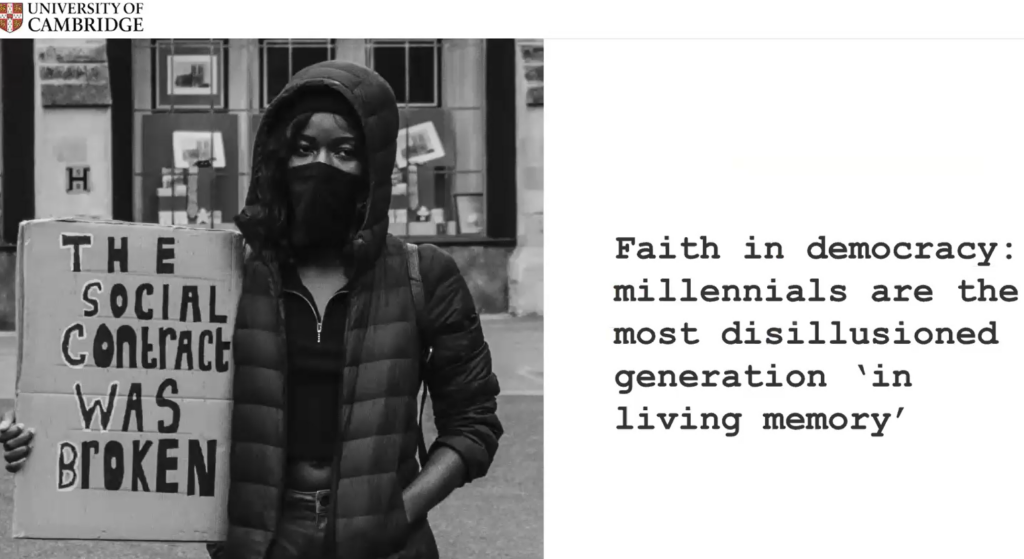
During the pandemic, Norwegian society – as, no doubt, the rest of the world – was gripped by feelings of isolation, anxiety, and a sense of lost prospects, and young people increasingly said that it was better to remain in the dark than to sink into despair over the news. A survey by the University of Cambridge confirmed these sentiments: it is the younger generation that has turned out to be the most disillusioned and weary of the constant stream of sensational headlines and conflicts.
It was in this atmosphere that the idea arose to create a new website that would collect stories that offer hope, as well as examples of solutions and ways to overcome crises. That’s how Praid Spot came to be – a small platform that unexpectedly became a hit, racking up over seven million views.
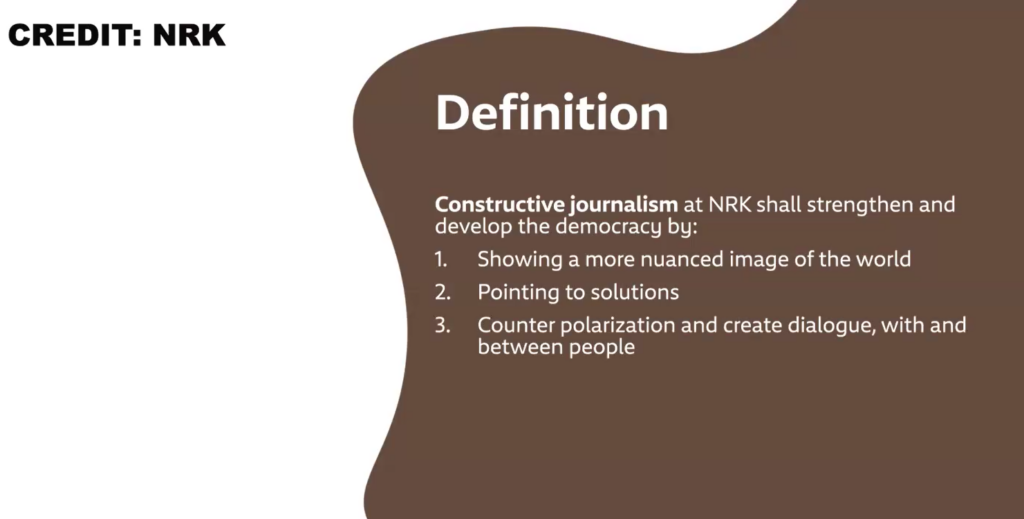
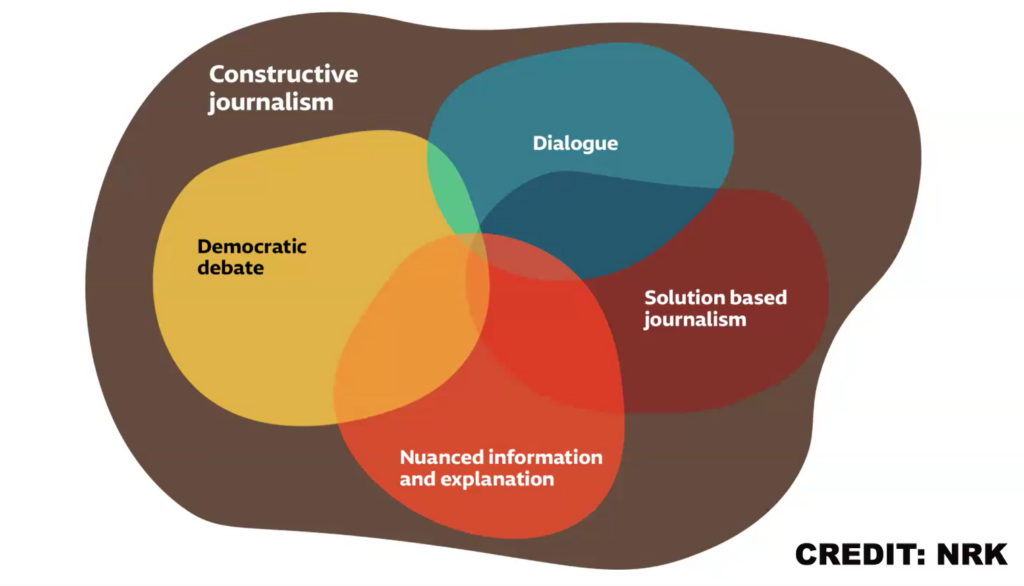
After a trip to Denmark (where the constructive journalism movement originated), meetings with colleagues, and joint discussions, Ingrid and her team formulated the following key principles: present solutions alongside problems, provide more depth and context, avoid polarization, and foster dialogue. It was this collaboration that laid the foundation for further experiments in Norway.
Readers’ comments confirmed that: they want to see more depth and context, less sensationalism, and more stories that provide perspective. Psychologists also emphasized that constructive content helps reduce anxiety and restores trust in the media.
Practical Experience in the News and Investigative Journalism
A constructive approach has gradually become part of the editorial team’s DNA. It was evident not only in the daily news but also in major documentary projects and investigative reports. The journalists decided: every time a major documentary or investigative report is released, there should be a story about the solution.
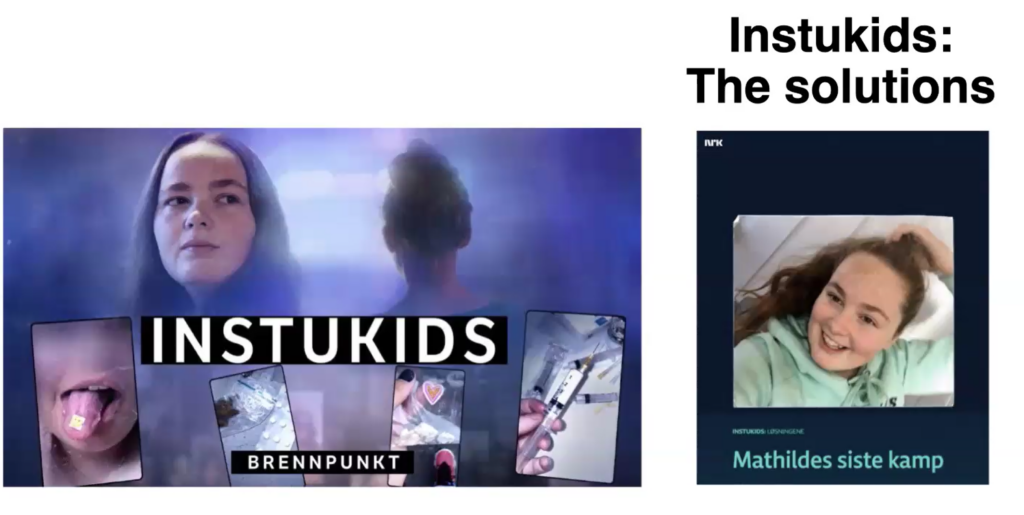
Thus, following a serious film about children who became addicted to drugs despite being in state care, the editorial staff published a story about Matilda — the woman who was helping the government find a way out of this crisis. Her experience showed how it is possible to reduce the number of children who miss out on opportunities due to the flawed system. The story about the solution became just as important as the investigation itself, demonstrating that it is possible to find a constructive perspective.
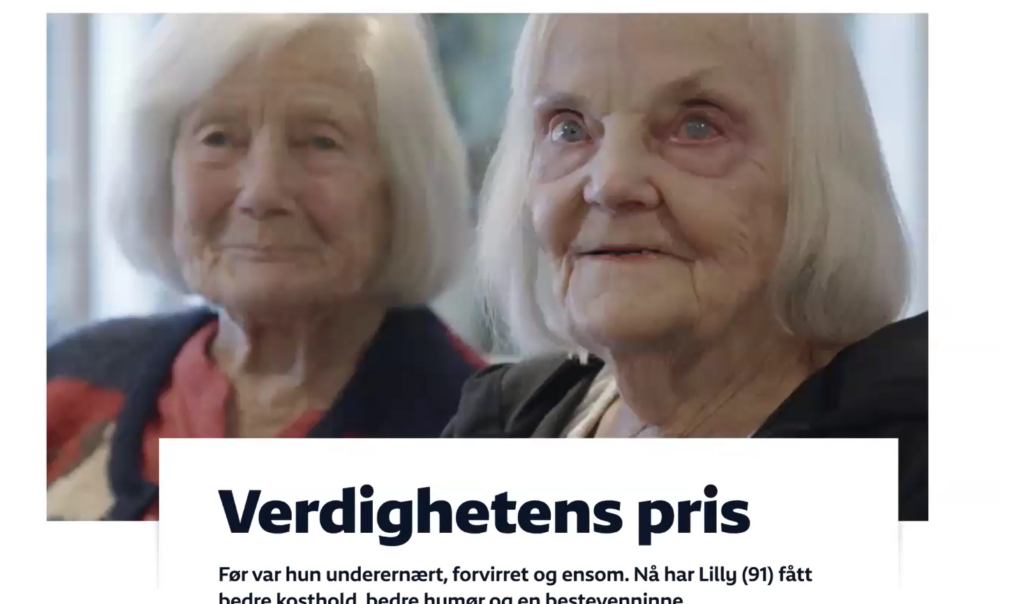
A similar approach was used in a story about elderly people who were neglected by the social support system. Alongside the sad story of Lili, who was left without proper care, the journalists highlighted an example of a systemic solution that could inspire others and serve as a model for change.
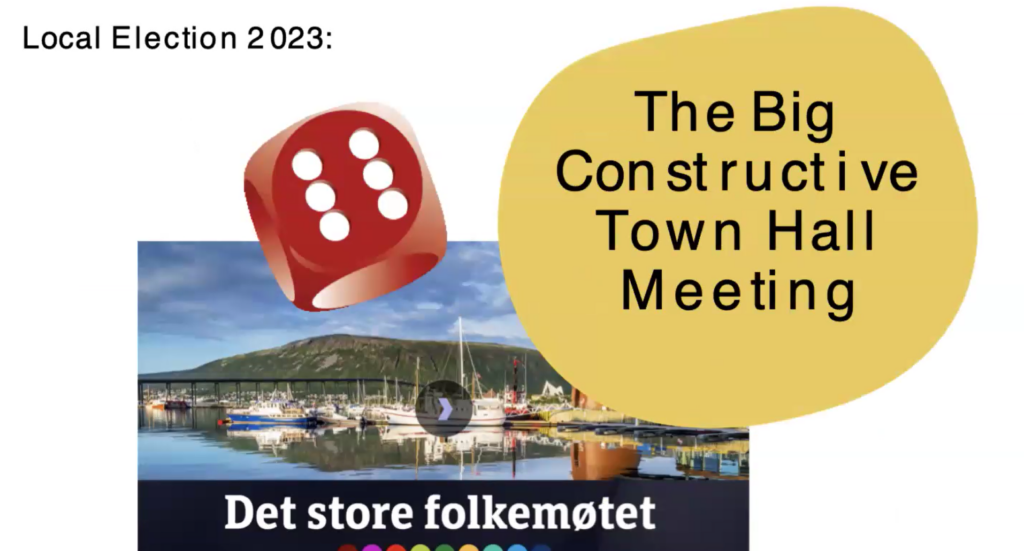
Over time, this principle came to apply to political issues as well. During local elections, the newsroom organized “constructive meetings at the city council” — a debate format where politicians were invited not to argue, but to seek more nuanced, practical answers to complex questions. Even the competitors appreciated this approach, and it served as an example of how the culture of public discussions can be transformed.
This constructive approach was also evident in new formats. Journalist Marita created a series of podcasts about the social security system. She honestly highlighted the problems, but at the same time sought explanations and possible solutions. Her work was so compelling that even the manager of the institution — who was criticized in those podcasts — recommended listening to them, because the approach was helpful and provided a better understanding of the system.
Youth Stories
This constructive approach was also evident in the work of the youth section, which was led by Ingrid. Here, journalists experimented with visual storytelling and looked for ways to make the news more relatable to young people. They tackled topics that are usually considered too difficult: addiction, sexual abuse, traumatic experiences.
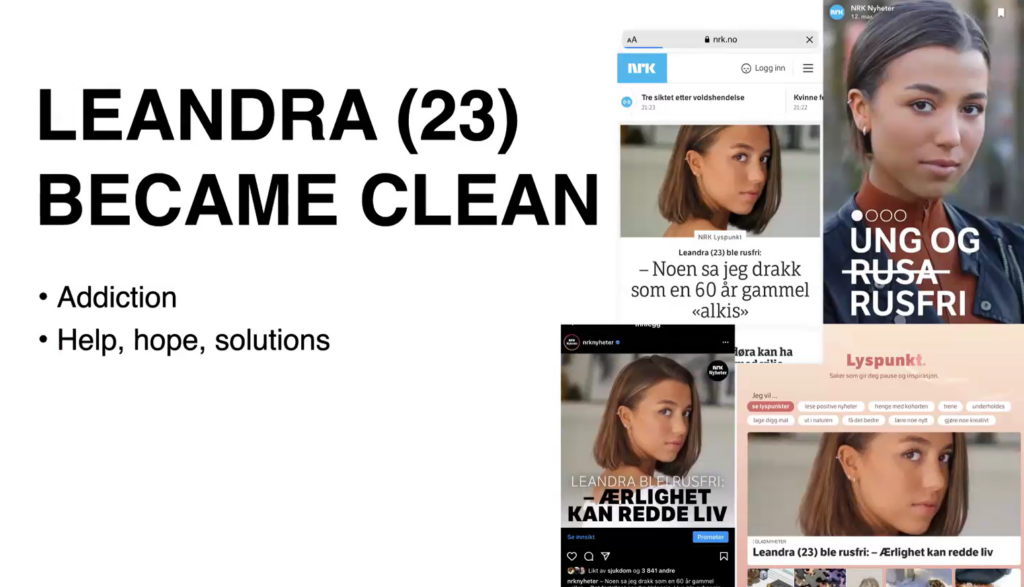
One example is the story of Liandre — a woman who struggled with drug addiction and managed to overcome it. The story highlighted not only the problem but also a solution that could be helpful to others.
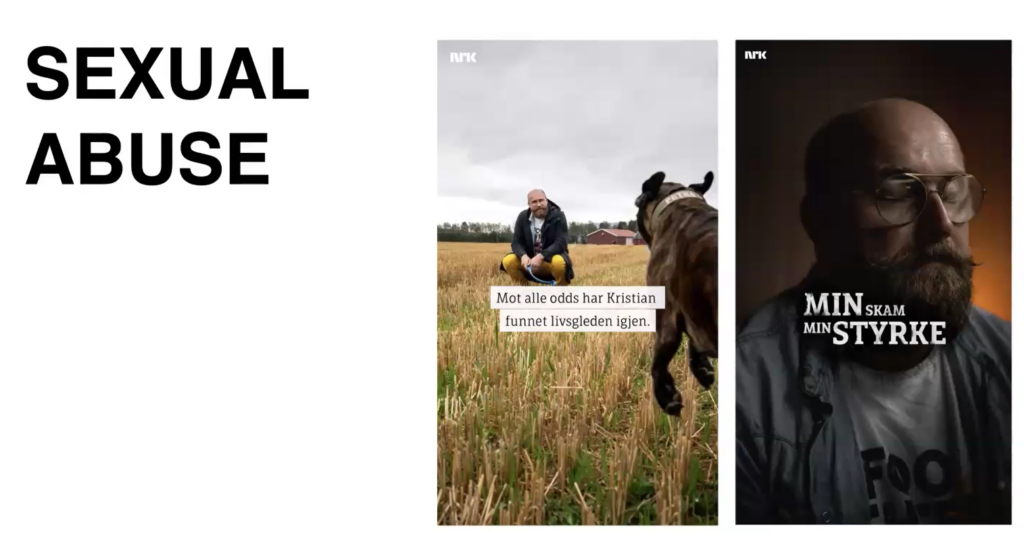
Another story touched on a taboo subject — sexual abuse of children. It told the story of Christian, who survived a trauma at the age of five. In the Norwegian society, men rarely dare to talk about such experiences, which is why this story was unique. The journalists presented it in such a way that it wasn’t reduced to just pain: they included simple, practical tips and testimonials from others that help prevent abuse. This made the story easy to read and useful.
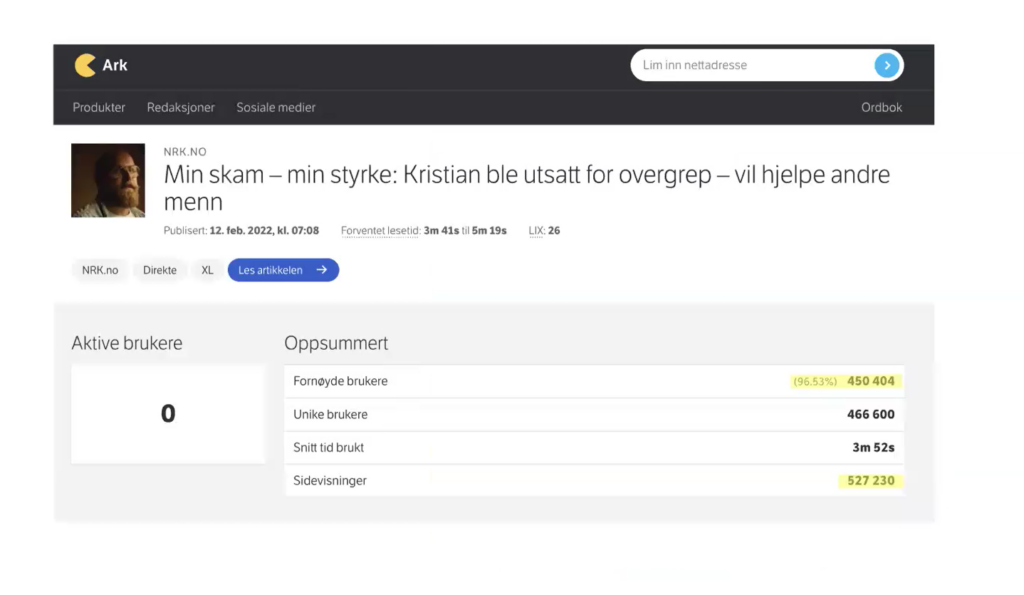
The feedback confirmed effectiveness of this approach. Readers wrote that what impressed them most was the inclusion of “things you can do” to help others. The article was among the most viewed ones for half a year: people spent more time reading it than other content and actively shared it.
An analysis of 3,000 stories showed: constructive texts attract more attention from the young audience and receive more views. This dispelled the common myth that “constructive journalism isn’t read.” On the contrary — it was precisely these stories that sparked the most interest and demonstrated that even the most difficult topics can be presented in a way that inspires and offers hope.
Launch of the New Demo Media
In 2023, Ingrid and her colleagues launched the Demo project — a new media outlet based on the principles of constructive journalism. They held dozens of meetings with readers, received 4,000 reviews, and reached their goal of 5,000 paying subscribers. This made it possible to hire 15 journalists and develop the app without ads with a focus on community and transparency.
Demo Principles
- Seek solutions to the biggest challenges.
- Provide more nuance and hope.
- Build journalism on curiosity and transparency.
- Work for the community and listen to its needs.

The Norwegian experience has clearly shown: the audience is tired of sensational headlines and conflicts. People want to see the big picture, and they want more love and hope. Constructive journalism meets this need and could become the foundation of new media.
***
This material was prepared based on a workshop held on April 7, 2026, as part of the “Media Bridges: Finland—Ukraine” Program implemented by the Association of Independent Regional Publishers of Ukraine in partnership with News Media Finland, and funded by the Finnish Ministry of Foreign Affairs