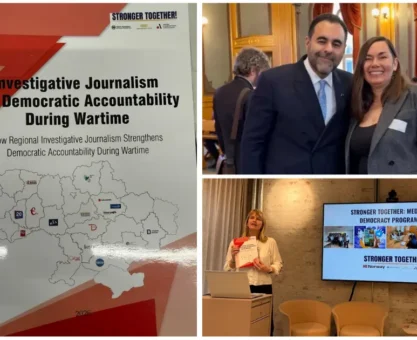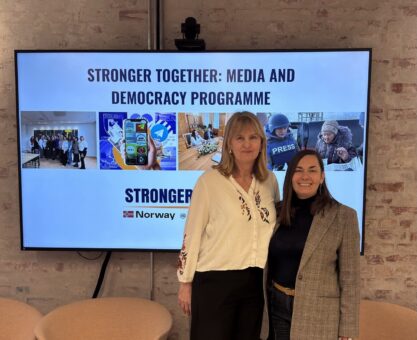



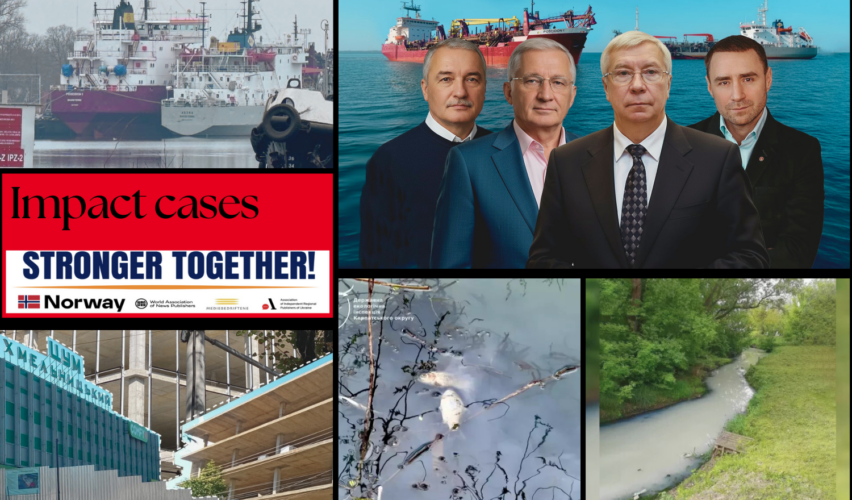
Journalistic investigations are not only about exposing facts, but also about the real changes they trigger in communities. As part of the Stronger Together: Transparency and Anti-Corruption program, 18 regional media outlets have been working over the past six months on materials aimed at ensuring government accountability, transparency in the use of public resources, and protection of community interests.
During this time, the editorial offices investigated corruption risks, inefficient use of budget funds, problems in urban planning, land relations, education, and social infrastructure. However, the most important result of this work was not only the published content, but also the concrete impact of the investigations — the reaction of the authorities, official inspections, changes in decisions or public discussions, open criminal proceedings, and even international publicity.
In this article, we will share with you several real-life cases of how the work of independent journalists affects the situation in the regions, the country, and the world.
Crimean Center for Investigative Journalism: exposing crimes at the international level
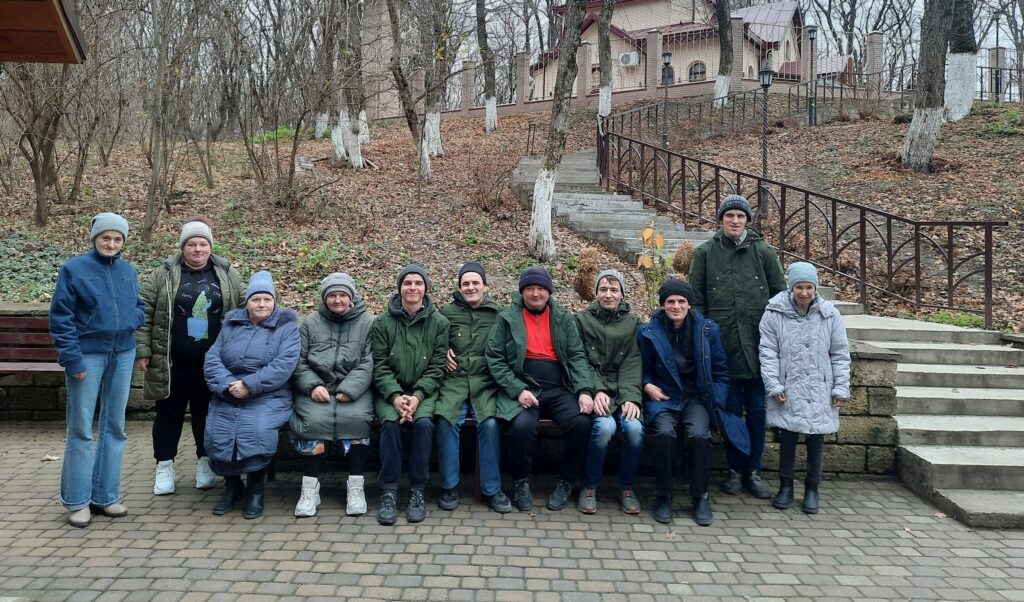
The Crimean Center for Investigative Journalism is a media outlet that systematically exposes Russian war crimes. Thanks to their work, investigators are able to obtain a lot of evidence that can be used in court cases. For example, one of the materials produced as part of the Stronger Together project is entitled How Russians Abducted Patients of Psychoneurological Houses in Kherson Region and Made Them Hostages. Author of the text — Oleg Baturin
This is an investigation into the illegal transfer and deportation to Russia of patients from the Dnipryansky Psychoneurological Boarding School (Kherson region). Thanks to the investigation by the Center for Journalistic Investigations, the National Police Department conducting the criminal investigation into this war crime obtained information about witnesses and victims, whom they were able to question and add this evidence to the case. The pre-trial investigation in the criminal proceedings is still ongoing, said Valentina Samar, editor-in-chief of the media outlet, in a comment to AIRPPU.
It is also worth noting two investigations by the editorial team that became international exposés.
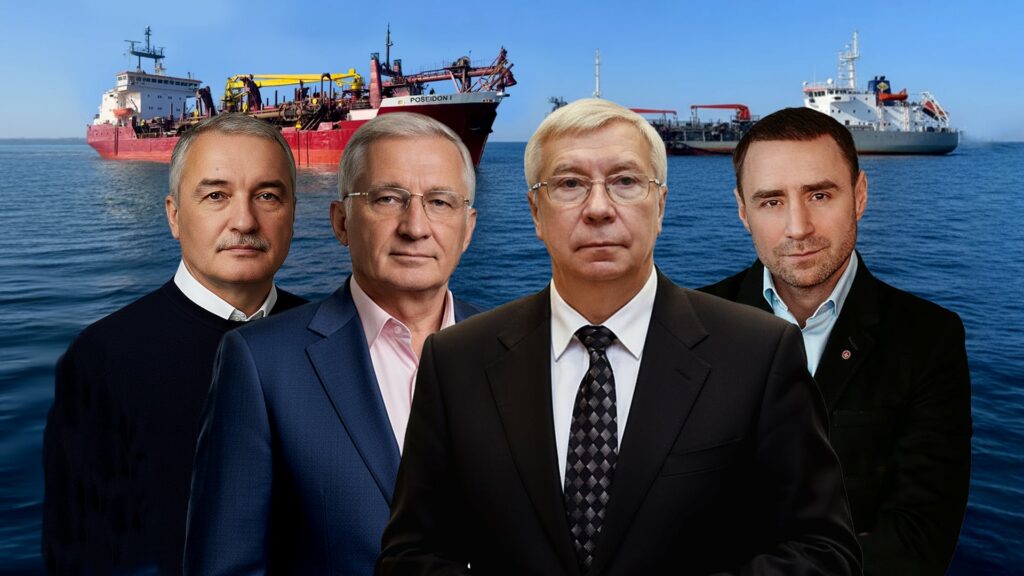
In the articles “How Companies of FSB Anchored in EU Ports and Countries” and “GDP Group. Another FSB Business Headed by General Komogorov in EU Countries” by Valentina Samar and Vladislav Marchenko, an international network of companies linked to retired Russian special services generals, in particular, former FSB deputy chairman and head of its 5th service, Colonel General Viktor Komogorov, was exposed.
— The Ekogidrotekhnika group of companies has a technological fleet operating in the ports of Russia and the Baltic states, posing a potential threat, especially given Russia’s interests in the Baltic Sea, through which a significant part of its oil exports pass. After the first part of the investigation was published, journalists from the Baltic countries joined in: the Lithuanian publication 15 min and the investigative program “Nothing Personal” on the Latvian TV channel TV3, which distributed the material from the investigation and supplemented it with their own findings, — says Valentina Samar.
The editorial team is currently in talks with foreign colleagues to find out the results of their joint work and plans to continue. In addition, journalists are confident that the reaction from the special services and, possibly, the governments of the countries will not be long in coming. We are keeping our finger on the pulse and will report on any changes.
Molodyi Bukovynets: forced the authorities to act
We have previously reported on how Molodyi Bukovynets from Chernivtsi forced the authorities to inspect shelters. We would like to remind you that after the publication of the article, criminal proceedings were initiated, and local deputies promised to study the needs of balance holders, their requirements, and the availability or lack of estimates.
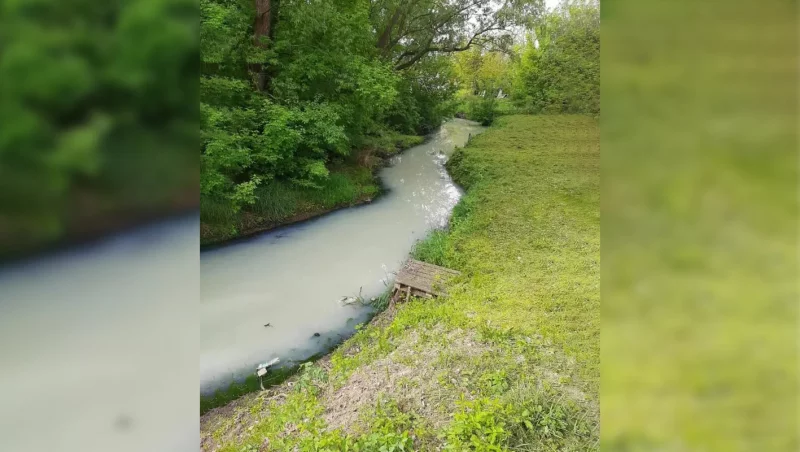
— In November, Molodyi Bukovynets wrote about the poisoning of the small river Sovytsia in the village of Luzhany. People complained that the Luzhany Distillery LLC was involved in this. Journalists sent ten requests to various regulatory agencies and received water analyses. It turned out that all regulatory authorities were aware of the problem, but the Luzhany Alcohol Plant had never been inspected because the Ministry of Economy had not approved it. Instead of granting permission, the documents were returned to the environmental inspectorate for further review. After reviewing the test results, experts confirmed that the pollution could be caused by wastewater from the Lugansk Distillery, — according to the author of the article, Lyudmila Osadchuk.
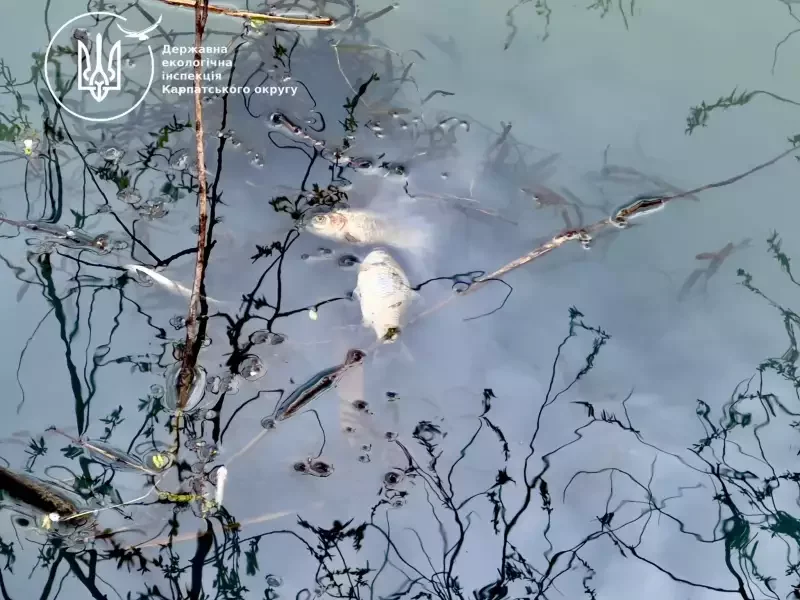
According to her, after the publication of MB, the mayor of Chernivtsi, Roman Klichuk, accused Luzhanskiy Alcohol Plant LLC of polluting the air through the Chernivtsivodokanal sewage system at a press conference. He also shared this information and published documents on his social media accounts.
“As a result, the distillery was disconnected from the city sewage system, and later an illegal pipe was even found, into which the distillery continued to discharge waste. Since then, the stench in Chernivtsi has indeed disappeared,” she emphasizes.
YE.ua: preserving cultural heritage
Thanks to the Stronger Together project, the YE website in Khmelnytskyi has begun to focus more on investigative journalism. Already at this stage, the editorial team’s work is having a real impact in the region.
For example, journalists recently published an article about illegal construction in the historic area of Khmelnytskyi and the destruction of historic buildings — Control without control, or How the law is being circumvented in the historic area of Khmelnytskyi. The city did not have its own cultural heritage authority. Moreover, the Khmelnytskyi City Council fought in court for the right not to create one, according to journalists from the media outlet.

— We spoke with the mayor when we asked him for a comment for our investigation. He said that the city council was considering the financial aspect of creating such a body, because everything supposedly comes down to money. But at that time, the Khmelnytsky City Council’s appeal was being heard in court (they were challenging the decision of the court of first instance, which had ordered them to create a cultural heritage body). In the end, the appeals court upheld the decision of the court of first instance, and the city council did not file a cassation appeal. Instead, it registered a draft decision on the creation of the body, — says the author of the article, Alina Mokh.
As AIRPPU learned on the eve of publication, the Khmelnytskyi City Council approved a decision to create a cultural heritage protection department. The main goal of the new department will be to implement state and local policies in the field of cultural heritage protection, as well as to ensure its preservation, rational use, and development in the Khmelnytskyi community.
Media representatives are confident that this decision is the first step toward improvements in the city.
Of course, monitoring the implementation of the decision does not stop there. The editorial offices not only expose and publish materials, but also systematically monitor their impact. These cases demonstrate that systematic support for regional investigative journalism not only strengthens independent media, but also shapes a culture of accountability and transparency at the local level. To be continued.
***
The Stronger Together: Transparency and Anti-Corruption program is implemented by AIRPPU in partnership with WAN-IFRA and the Norwegian Media Association (MBL), with the support of Norway.