


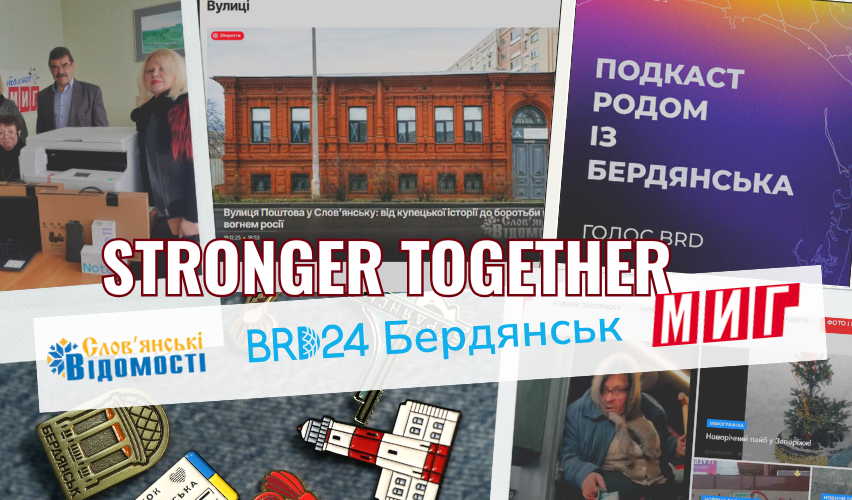
MIG, Slovianski Vidomosti, and Berdiansk 24 share how institutional support helped them develop new formats, strengthen their teams, and find sustainable models.
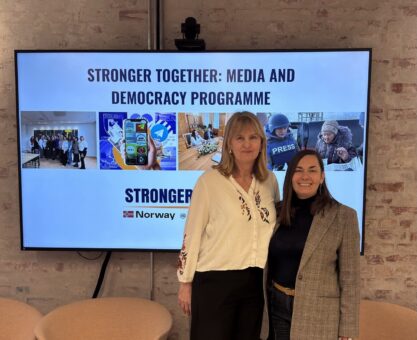
Supporting Ukrainian media today means enabling growth, adaptation to new conditions, the search for sustainability strategies, and the ability to remain important to their communities. We continue our series of stories about newsrooms participating in the Stronger Together: Financial and Organizational Sustainability program. This program is one of the components of the Stronger Together: Media and Democracy project, implemented by AIRPPU in partnership with the World Association of News Publishers (WAN-IFRA) and the Norwegian Media Association (MBL), with the support of Norway. Previously, we shared the experiences of Pershyi Zaporizkyi, Berezan, and Trudova Slava, as well as the work of Obiektyv Media, Accent, and Visnyk Ch.
MIG: Website Modernization and Audience Growth
For the MIG newsroom, participation in the program made it possible to withstand difficult conditions and take several important development steps. The most significant upgrade was a comprehensive website modernization: image and media optimization, improved loading speed, the introduction of SEO functionality, and strengthened security.
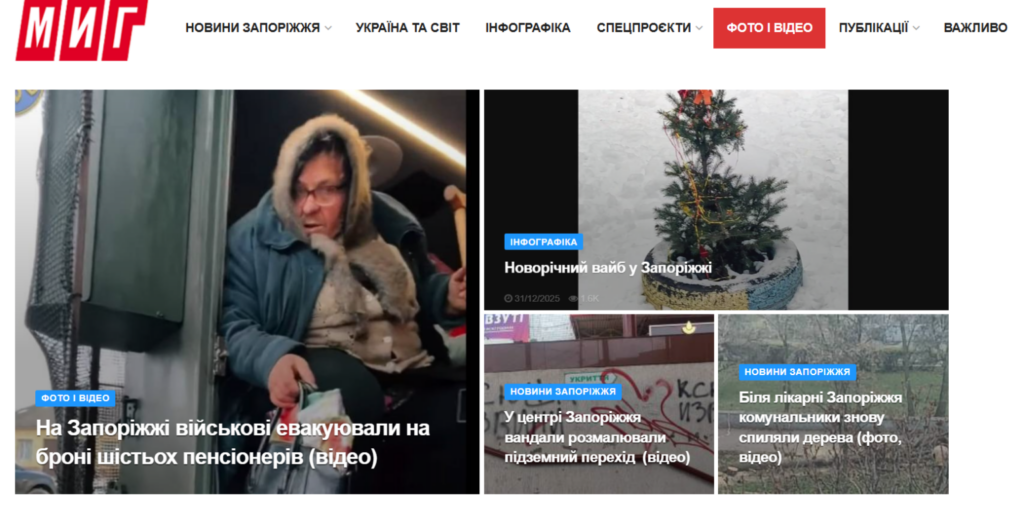
The team began cooperating with the UkrNet news aggregator, expanded the range of topics, and introduced new formats, including short video stories. The design of social media pages was updated, and journalists gained knowledge on effective content promotion on Facebook, Instagram, and Telegram.
The results are impressive: the average monthly unique website audience grew by 238%, while the volume of content nearly tripled. On Facebook, the number of followers increased by 30%, and on Instagram by 10%. Over six months, website traffic grew from 120,000 to 287,000 unique users. This became possible thanks to clearer organization within the multimedia newsroom, where everyone is responsible for their own area — from news to analysis and SMM.
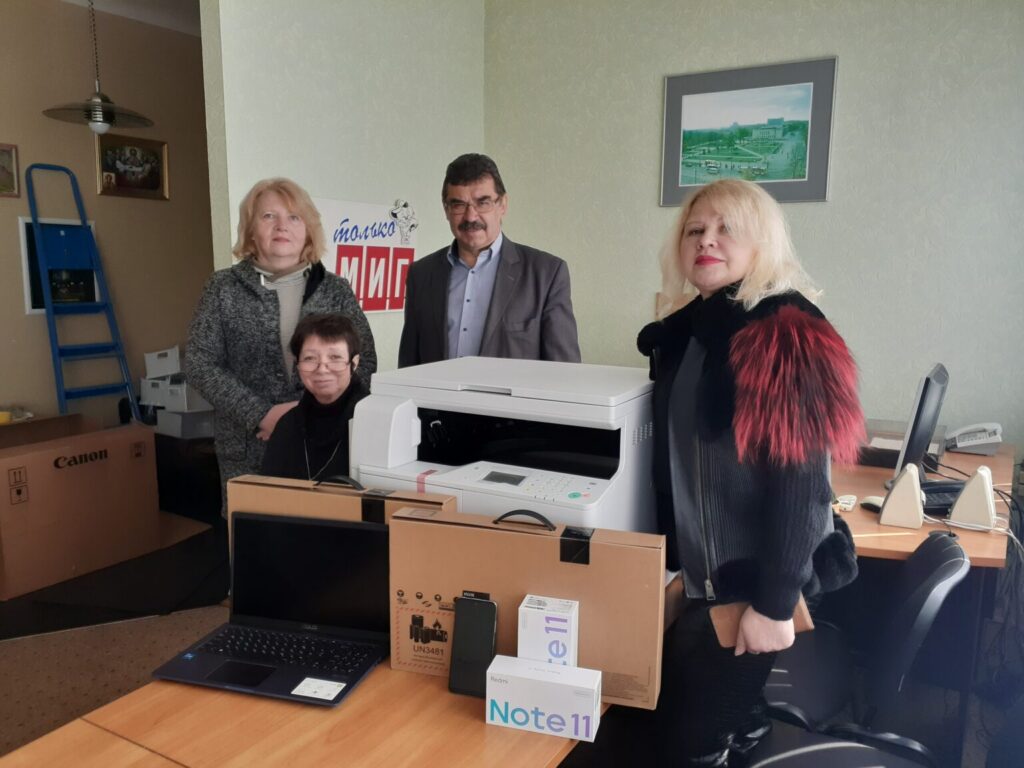
An important discovery for the team was that even in a frontline city, people are actively interested in news — especially materials offering practical advice, human-interest stories, and consultations. These topics became the most popular among readers.
Slovianski Vidomosti: From News to a “Social Navigator”
The past six months have marked a period of moving beyond simple news coverage for Slovianski Vidomosti. The newsroom realized how important it is to create materials that resonate with both the community and local authorities. The most powerful driver of change was the launch of video formats: short, dynamic clips immediately generated strong feedback and became an effective tool of influence.
At the same time, the team migrated to a modern website platform. This made it possible to combine fast-paced video with in-depth longreads, creating a cohesive information space. Hiring an SMM specialist allowed journalists to focus on content rather than technical details.
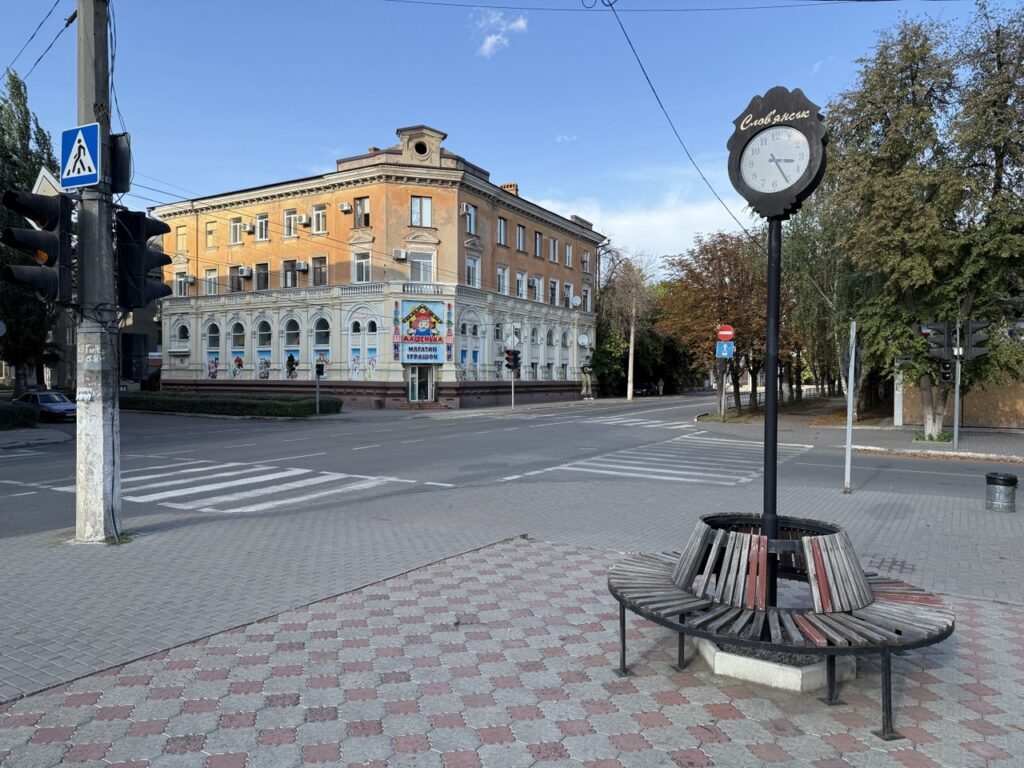
The changes are reflected in the numbers: social media presence increased by 44.6%, and reach by nearly 480%. But the most important result is the quality of attention. After the newsroom’s reports, local authorities began responding more quickly to community issues — repairing roads, restoring lighting, and addressing water supply problems.
The newsroom also began to feel part of a broader professional community. New contacts with specialists helped in tackling complex topics, while cooperation with volunteers and rescue services ensured access to verified information. The transition to a new website opened opportunities for donations, and the team plans to develop reader support so that independence is grounded in community trust.
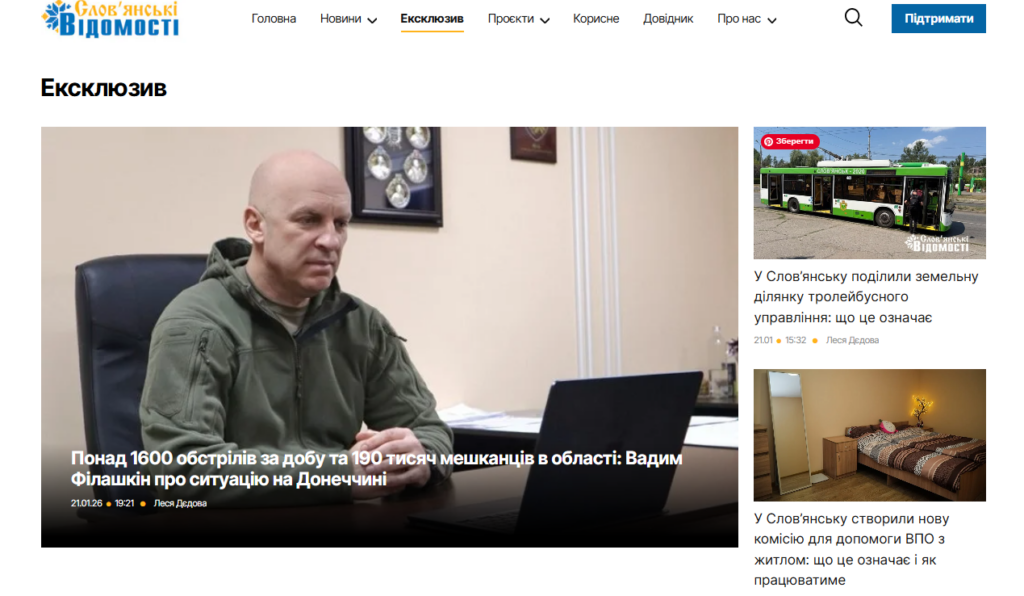
The key lesson was realizing that journalism must be practical. Instructions, advice, and videos answering everyday questions proved more valuable than dozens of official press releases. Slovianski Vidomosti has become a “social navigator” that helps residents of Sloviansk navigate daily challenges.
Berdiansk 24: Podcasts, Merchandise, and New Sources of Sustainability
For the Berdiansk 24 team, made up of internally displaced journalists, participation in the program became an opportunity to create formats that respond directly to community needs. The most important innovation was a series of audio podcasts focused on psychological support, #z_namy_vse_OK. The podcasts feature qualified specialists and address issues faced by displaced people and residents of frontline areas.
At the same time, the audience grew: average monthly website traffic during the project increased by 56%, and the number of social media followers by nearly 10%. The team introduced a clear division of responsibilities while maintaining interchangeability as a backup model.
Financial sustainability became a separate focus. Berdiansk 24 launched reader support through Monobank and the distribution of exclusive merchandise. Within the project, the newsroom developed exclusive designs and purchased initial batches of products. Almost all of the merchandise sold out within a week, and the proceeds were reinvested in producing new items.
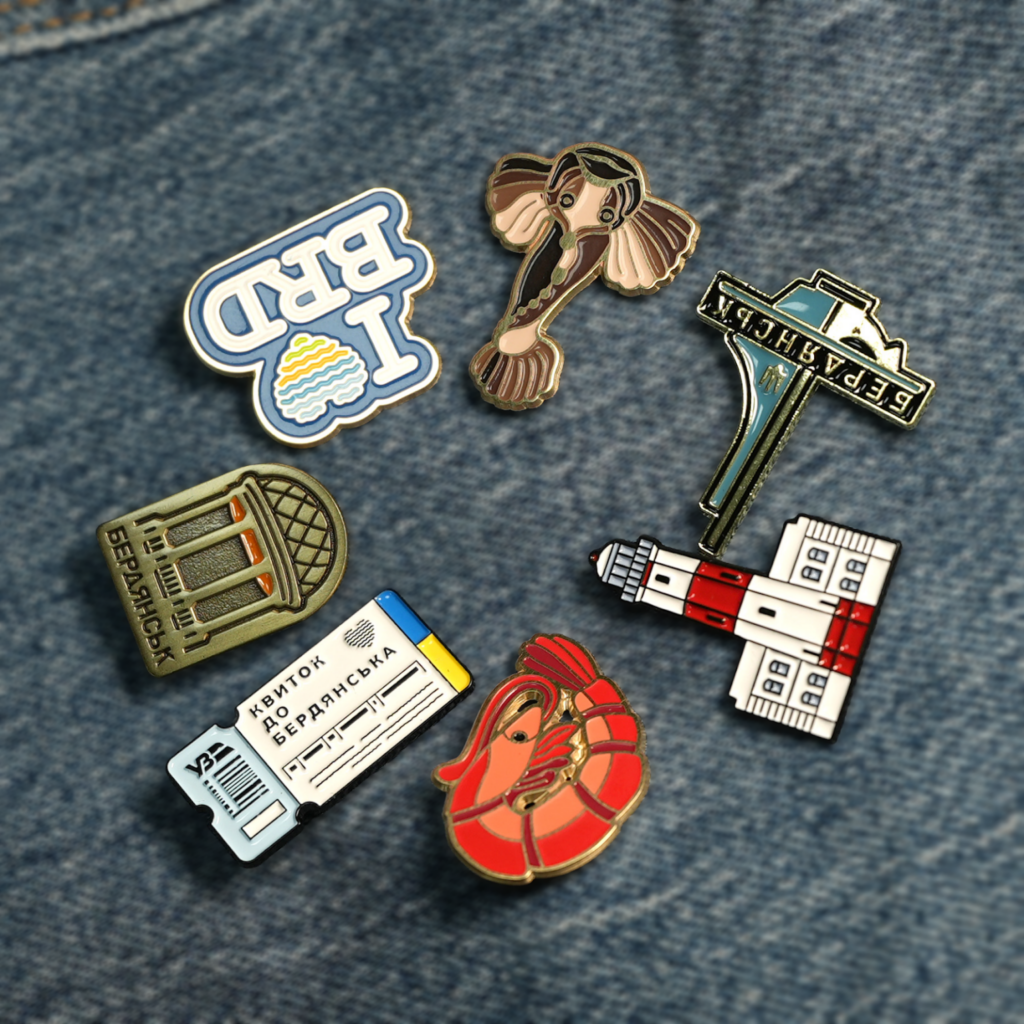
According to the newsroom, demand was driven by the release of the merchandise on City Day, September 17. Nostalgic feelings among Berdiansk residents also played a role, as people received something symbolic and tangible connected to their hometown. This grant, the team says, made it possible to test an idea that had been maturing for over a year. It provided a strong impetus for further development, including securing new grant support to launch an online store on the media’s website and scale up the merchandise line.
***
Each newsroom followed its own path, but all found their own development tools. Website modernization, the launch of video and podcasts, and new financial models demonstrate that Ukrainian regional media are capable of moving forward even under the most difficult conditions.
The Stronger Together: Media and Democracy program is implemented by the World Association of News Publishers (WAN-IFRA) in partnership with the Association of Independent Regional Press Publishers of Ukraine (AIRPPU) and the Norwegian Media Association (MBL), with the support of Norway