


Pershyi Zaporizkyi, Berezan, and Trudova Slava (Orikhiv) explain how institutional support helped them become stronger.
Today, Ukrainian media are living through a period when support is needed in many forms and at many levels. From emergency assistance in cases of force majeure to stable, long-term support — when more time is required to recover and regain strength. From targeted help — such as providing power stations in case of blackouts or individual insurance for journalists — to narrow-focused projects, such as supporting investigative journalism, and to broad institutional support that allows media to explore their potential for growth and move in that direction.
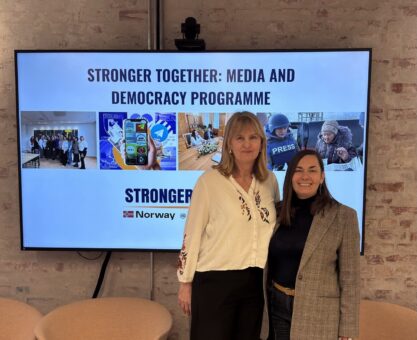
We continue to share stories about the work of newsrooms participating in various ANRVU and partner projects. Today’s article focuses on participants of the “Stronger Together: Financial and Organizational Sustainability” program — one of the three components of the “Stronger Together: Media and Democracy” project, aimed at strengthening Ukrainian regional media.
AIRPPU, in partnership with the World Association of News Publishers (WAN-IFRA) and the Norwegian Media Association (MBL), and with the support of Norway, created this program for small independent media that continue to serve as the voices of their communities even under the extremely difficult conditions of war. The goal is to help Ukrainian regional media become financially stronger, better understand their audience, and find sustainable operational models during the war and throughout post-war recovery.
We asked three newsrooms about the most significant changes they experienced thanks to this support: whether they managed to launch new formats, how it affected their audience, what internal processes improved, whether new partnerships emerged, and which example of their work best illustrates the program’s impact.
Pershyi Zaporizkyi: Stability and New Formats
The Pershyi Zaporizkyi newsroom went through a difficult period after cuts in American funding, but thanks to the program, they were able not only to retain their team but also expand it. Additional journalists and an SMM specialist made it possible to restore the production of exclusive content and launch new formats — from interviews with community leaders to video stories on the history of the city.
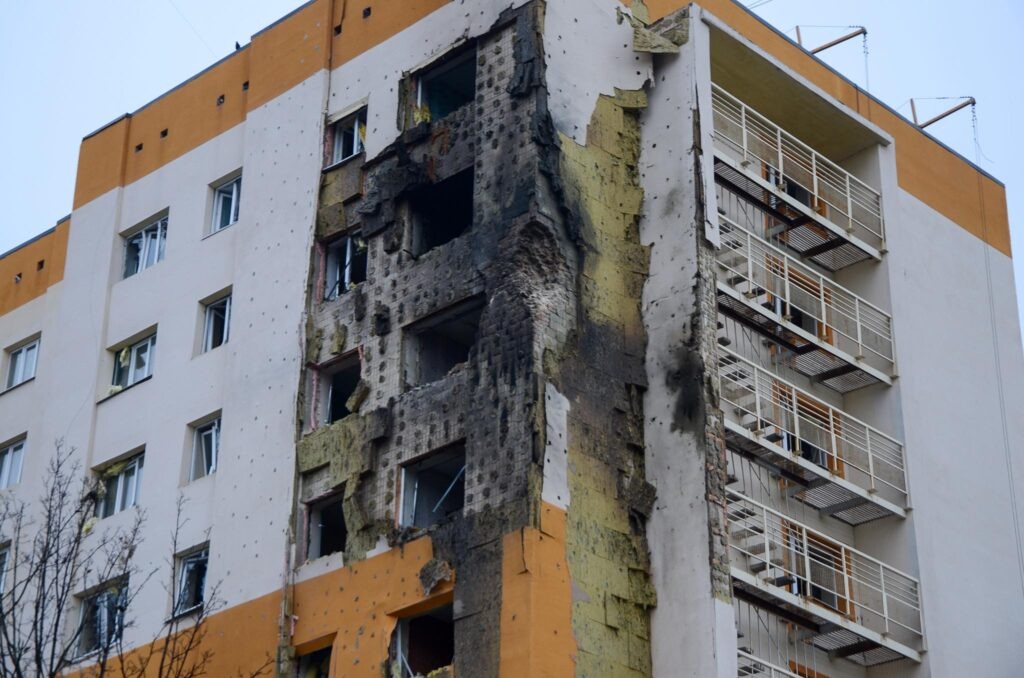
A series of interviews with the heads of frontline and relocated communities was relaunched, along with a special project about life in occupied territories, as well as materials about displaced people and entrepreneurs. Particularly popular were original video clips (including short historical episodes about Zaporizhzhia) and viral content created specifically for social media. A new product designed exclusively for social platforms — content on the city’s history, culture, and everyday life — resonated strongly with local residents.
“We finally gained the long-desired sense of stability thanks to AIRPPU’s support.”
The team also worked extensively on adapting exclusive content. Seeing a decline in website traffic, they actively engaged audiences on Instagram, Facebook, and Telegram. For example, an Instagram adaptation of an article analyzing housing prices in occupied cities of Zaporizhzhia region received over 400,000 views, and a post based on material about the consequences of the Kakhovka Reservoir destruction — over 200,000 views. These are just a few examples of the strategy’s effectiveness.
“Overall, during the project, we received more than 4.9 million views and 172,000 interactions on Instagram alone,” says editor-in-chief Andrii Vavilov. “Our Facebook results: 29.9 million views and 656,000 interactions.”
Thanks to this approach, the newsroom significantly expanded its audience: average monthly website traffic increased by 90%, reaching 158,000, and the total number of subscribers grew by 35% — from 66.2k to 89.6k. For instance, Facebook alone saw an increase of 21,000 followers, and Instagram — 2,800. Such growth clearly demonstrates the effectiveness of their content strategy: timely coverage of news, finding compelling topics and characters, and consistent audience engagement on social platforms.
Berezan Newspaper: A Digital Breakthrough and New Mobility
Berezan is an example of how a traditional newspaper can transform into a modern multimedia outlet. Until recently, the newsroom had only a Facebook page run solely by the editor. Thanks to the program, they now have a website, Instagram, a Telegram channel, and new team members: a freelance correspondent covering the Kobleve community — previously rarely visited due to limited resources — and an SMM specialist managing social media.
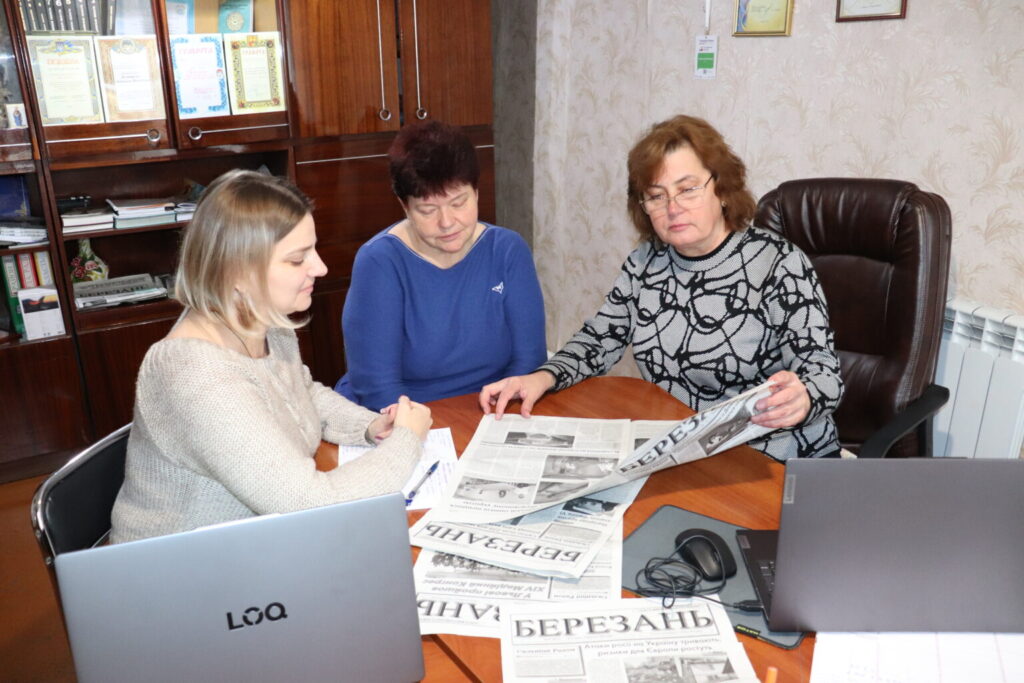
Technical upgrades were significant as well: a modern laptop and smartphone made it possible to produce high-quality photos and videos, and an electric scooter allowed the journalist to quickly reach neighboring settlements. This made the newsroom more mobile, responsive, and closer to the people.
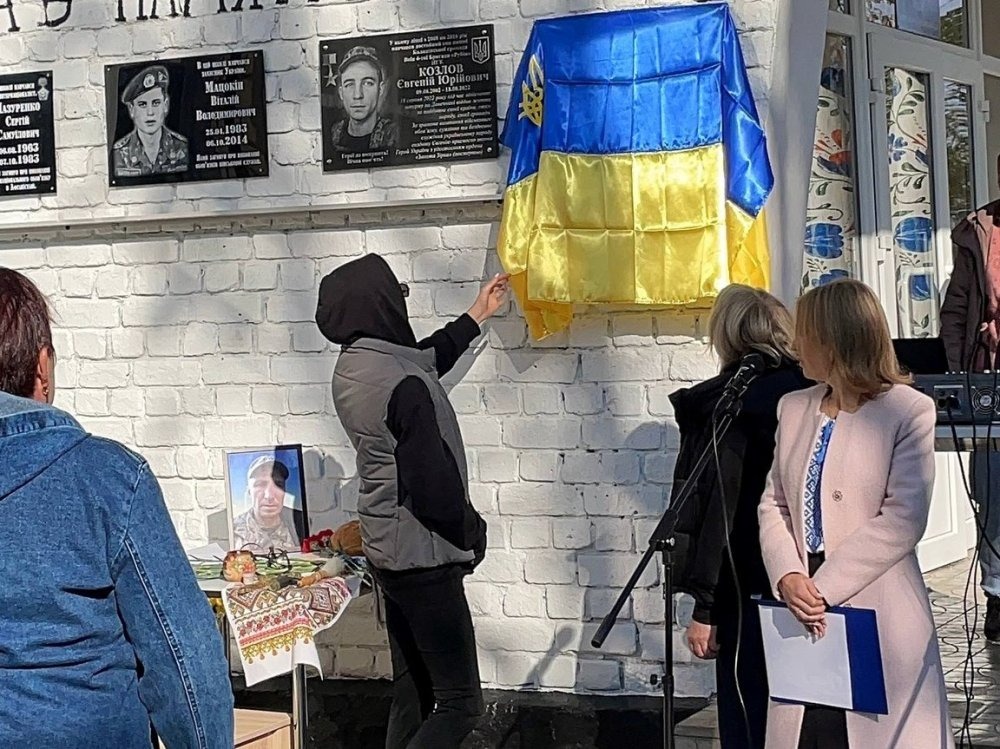
“With the launch of our website and expanded social media presence, we became accessible not only to local residents but also to people from other communities.”
The results speak for themselves: Facebook views increased from 27,000 to over 106,000, and the website now attracts 3,500 visitors monthly. The newspaper became accessible not only to the Berezan and Kobleve communities but also to neighboring ones.
After participating in the XIV Media Congress and workshops held within the “Stronger Together” program, Berezan revised its approach to print edition planning, news gathering, content creation, and editing. “We optimized some things, accelerated some processes, and introduced AI tools we hadn’t used before. If earlier the print edition was our priority, now we focus more on the website and social networks for faster communication with readers,” the newsroom explains.
Trudova Slava: Revival and Growth After Relocation
Trudova Slava from Orikhiv, Zaporizhzhia region, probably faced the hardest path among the three newsrooms. After relocating and losing their office and equipment, the team had to start almost from scratch.
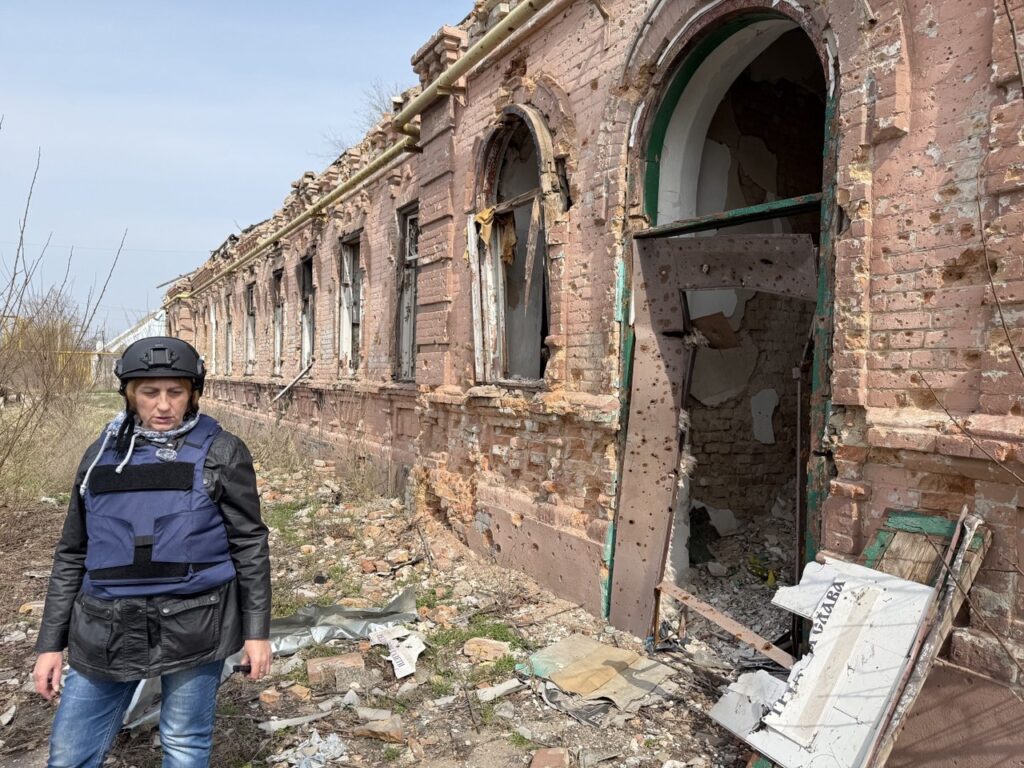
The first institutional support initiated their digital transformation, but the “Stronger Together” program allowed them to make these changes systemic.
“We managed not just to survive the losses but to recover, rethink our work, and become a modern media outlet.”
The newsroom brought in specialists to work with digital platforms and shifted from a chaotic “everyone does everything” approach to a more structured team model. This immediately improved content quality: their Facebook page grew from just 700 followers to over 5,100. People began actively interacting with the materials — commenting, sharing — and the newsroom felt that its voice mattered to the community once again.

“We managed not only to survive the losses, but to recover, rethink our work, and become a modern media outlet,” emphasized Editor-in-Chief Svitlana Karpenko. For the team, these numbers are proof that recovery after major losses is possible — and that it is possible to emerge stronger.
***
The program “Stronger Together: Media and Democracy” is implemented by the World Association of News Publishers (WAN-IFRA) in partnership with the Association of Independent Regional Press Publishers of Ukraine (AIRPPU) and the Norwegian Media Association (MBL), with the support of Norway.