


A city just 30 kilometers from the border means daily proximity to danger, constant tension, and life adjusted to security realities. But at the same time, it is also about resilience, development, and the determination not to stop. Sumy is exactly such a city — a border city, vulnerable yet alive and dynamic, continuing to grow despite the war.
In this reality, local media play a special role — not only informing, but also shaping community, supporting people, and focusing on the future. «Cukr» is one of the forces that keeps people in Sumy. The team works alongside the war, yet does not speak only about danger. It tells stories about the city, its people, changes, and the meanings that help the community remain whole.
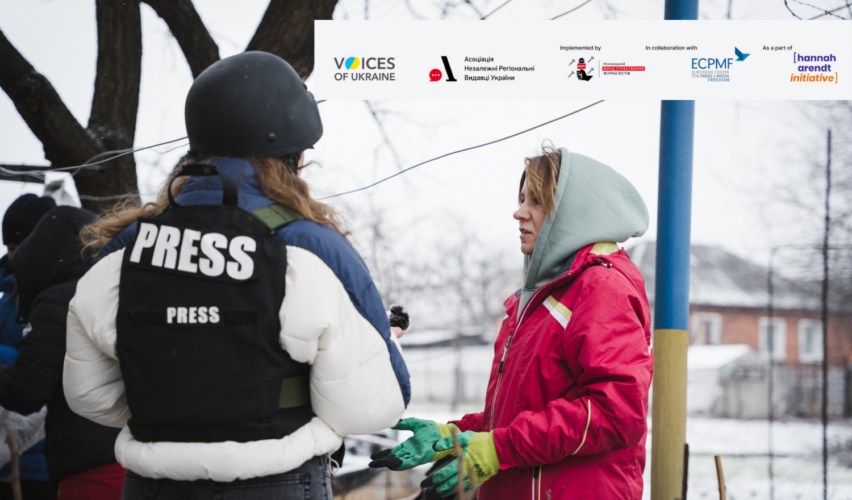
This material was prepared within the project of the Association of Independent Regional Press Publishers of Ukraine (AIRPPU), International Insurance Fund for Journalists — as an example of why supporting local newsrooms in frontline and border regions is critically important for ensuring operational continuity, team safety, and the preservation of independent journalism.
How do you work with an audience when the city regularly hears air raid sirens? How do you maintain trust without downplaying fear, while also not immersing people in hopelessness? These are the challenges we discuss with CEO of the media outlet, Alona Serhiienko.
— Our mission is to set a rhythm that contributes to the city’s development — to bring value and build comfort in the region. Our goal is to make Sumy a better place to live. How? We tell engaging stories, organize meaningful events, and inspire people to take action. We want residents of Sumy to know more about their city, communicate with one another, and collectively shape its future, — she begins. — We create a space where people can learn something new, discuss important topics, and simply spend time well. Because we believe: when people come together, the city comes alive and becomes better for everyone.
Creating a space for people
«Cukr» exists to highlight перспективу, set the pace, and bring attention to change within the city.
— Seriously — our readers tell us that if it weren’t for «Cukr», they would have already left. We don’t just produce news — we create a space where people see that the city is alive, developing, that there are inspiring people here and a sense of purpose. Our principle is simple: we don’t chase hype, we verify information. People turn to us when they want to understand what is really happening, — she continues.
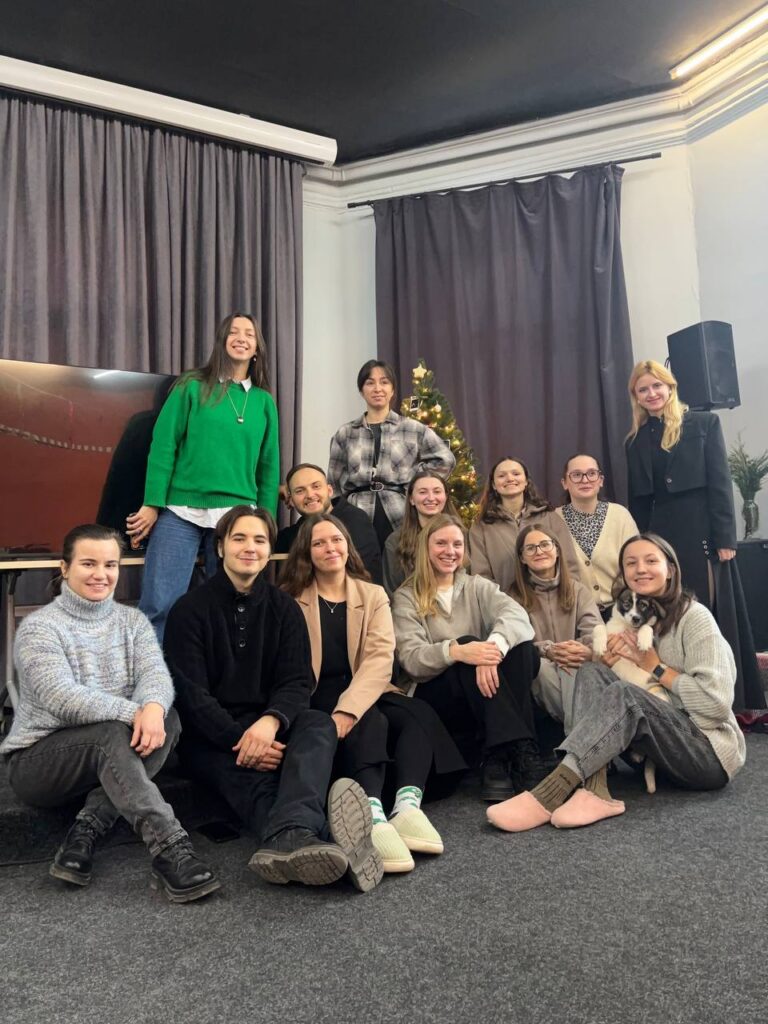
Since the start of the full-scale invasion, everything has changed. In February 2022, according to the CEO, the «Cukr» team consisted of four people. Today, the staff has grown to 23. A clear structure and new processes have emerged.
— We have always been quite flexible, so we are in a constant process of change, adaptation, and adjustment to new realities. Even in such unstable times, we manage to find the best possible solutions in our work. We try to plan realistically, although we often want to do more. We adapt to blackouts, air raid alerts, and the fact that people are sometimes simply struggling psychologically, — says Alona.
A nine-month financial buffer
Over the course of the war, the team has not only sustained operations but grown nearly fivefold compared to the beginning of the full-scale invasion. Today, «Cukr» has four departments: editorial, communications, business, and back office.
— We are 30 kilometers from the border — this is not a metaphor, but a reality in which we consciously chose to work, because that is the essence of what we do. Of course, we have developed contingency plans in case the threat escalates, which we discussed and agreed upon as a team. A painful moment was when U.S. funding stopped. That’s when we began building a new model: one-third of revenue from international grants, one-third from business through institutional support, and one-third from our own income. It is difficult, but it is the only way to remain resilient. We constantly have to make staffing decisions — who is most effective in which role, what talents we are missing, where the gaps are, and how we can strengthen ourselves, — she explains.
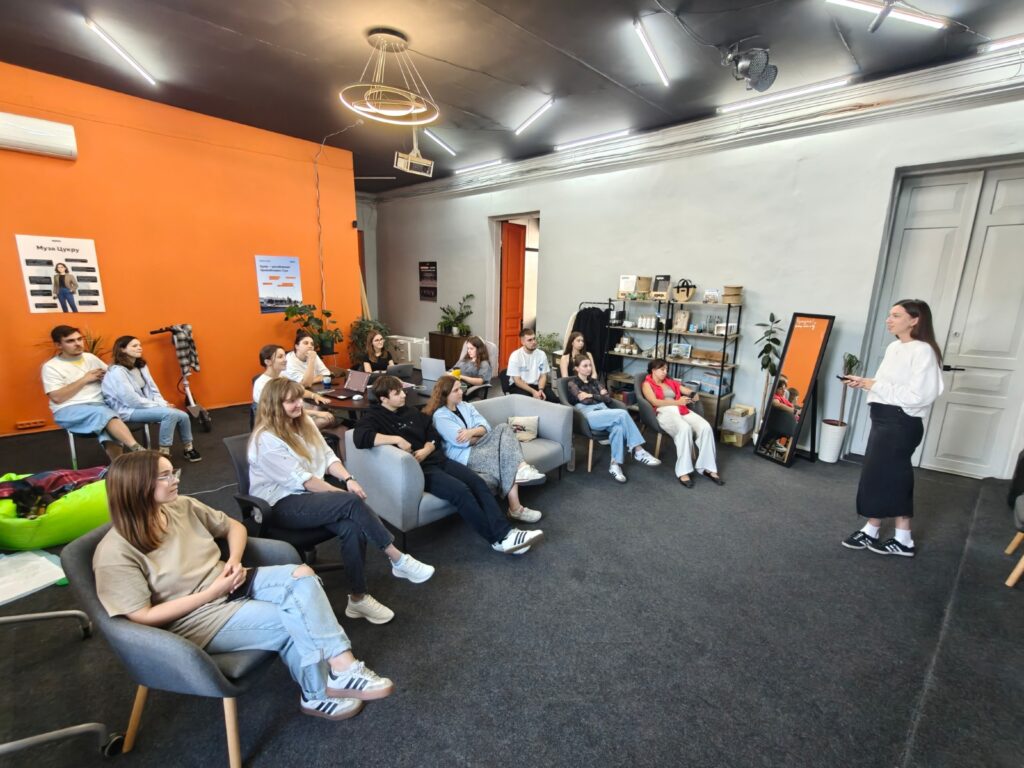
Ultimately, thanks to the team’s collective efforts, they managed to build a financial buffer covering nine months of operations — providing a sense of stability.
— For me, there are three key priorities right now. People — ensuring the team is fairly paid and does not burn out. Money — so that no crisis affecting a single funding source can halt our work. That is why we are building a 33/33/33 model: grants, institutional support from businesses, and our own products. And we maintain a reserve — currently for nine months, aiming for twelve. At the same time, we strive to consistently produce high-quality content that meets the needs of our audience at the right moment, — adds Alona.
At «Cukr», the team has realized that people come to them not just for news as information — they come for support.
— A local media outlet during wartime becomes, in a way, a psychotherapist for the community. People want to feel that they are not alone, that there are “their own people,” that the city is alive. Our research showed that readers gain a sense of safety, belonging to change, and pride in their city. In my view, this is much more than simply informing, — says the CEO.
Constructive and explanatory journalism
At least 40% of the content should be constructive and explanatory — not just «what happened, but “why and what can be done about it». At least 25% should be human-centered stories that inspire.
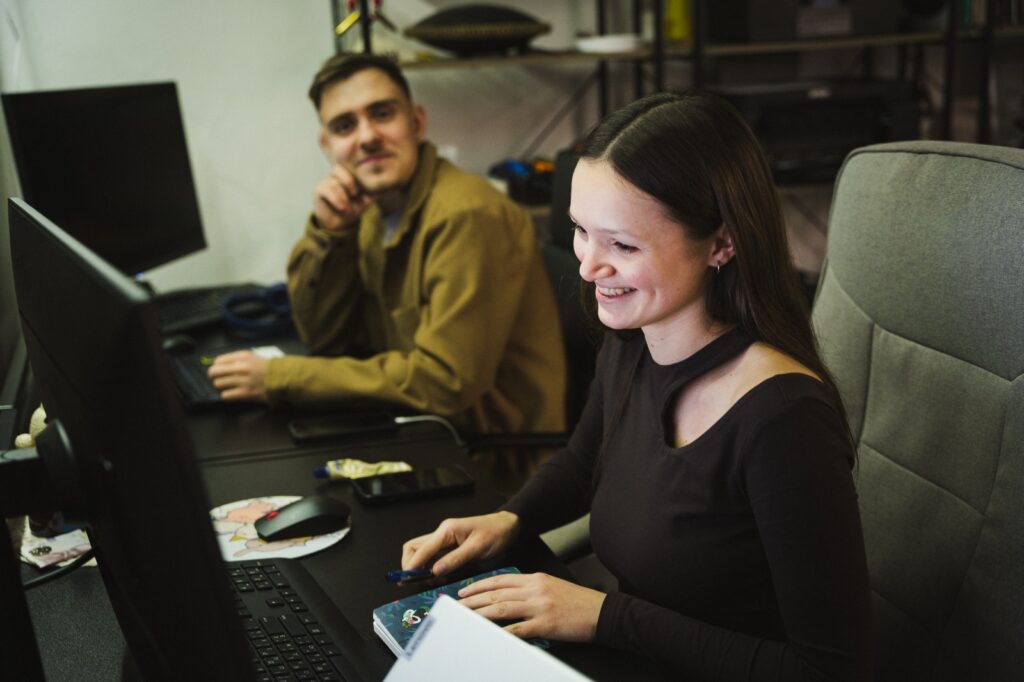
ournalists do not publish unverified information. Instead, they follow a simple principle: better later, but correct. They speak with people directly, aiming to be clear and understandable for their audience — without lecturing or using bureaucratic language.
For 2026, the team has defined three major focus areas. The first is building traditions. They want to step outside the newsroom — into the city, into projects, events, and direct engagement with people. The goal is to implement initiatives that create new meanings, traditions, and culture, shifting attitudes toward the city and toward one another — from indifference to belonging, to a culture of mutual respect. Journalists should be present where community life actually happens.
The second focus is becoming a benchmark within the industry. As Alona Serhiienko explains, they are building an impact-driven media outlet that sets standards for regions — not competing with traditional media for traffic, but raising the bar in three dimensions: measurable community impact, a strong membership model, and a healthy, motivated team.
The third focus is economic sustainability. This is the 33/33/33 model: one-third from grants, one-third from business support, and one-third from their own products — ensuring that no single funding crisis can stop the newsroom’s work.
— Partners support us because they see results. Readers contribute because they feel the value, — Alona emphasizes.
When asked how exactly businesses invest in «Cukr», the CEO explains:
— Institutional support from business means we have created an advisory board within our NGO, which currently includes three businesses that financially support the work of our journalists. This is not advertising — they do not influence our editorial policy or overall operations. These are businesses that want to support and invest in our development and share our values.
Team safety as a priority
Given the region’s geographic proximity to the Russian border, safety remains a constant concern.
— We are now more pragmatic than in 2022. We have developed protocols in case the situation escalates, and we try to update them regularly, asking the team about their needs to stay prepared. Do I really think we will need these protocols? I hope and believe we won’t. But it is better to be prepared for anything, — says Alona.
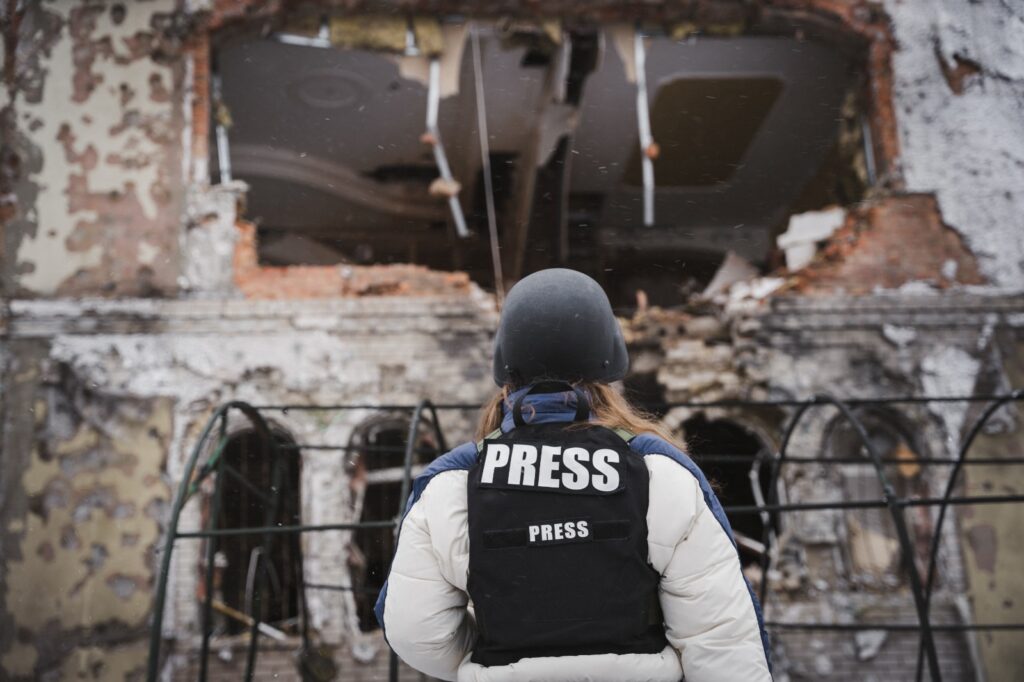
At the moment, the team does not feel the need to relocate. Although in April last year, a blast wave shattered the windows in their office — they have since been replaced. Strikes on critical infrastructure are a real threat, but the team has adapted. In case of blackouts, they have charging stations, a generator, an inverter, and heaters. They assess the security situation realistically — it is difficult. At the same time, they are doing everything possible to ensure the team can continue working while staying in Sumy, because it is their home.
— In 2022, we travelled to border communities to report on how towns and villages endured after the Russian invasion of our territory. Some of these stories were documented in our third print edition of «Cukr». Now the war has come closer to us. Drones reach Sumy, and we cover these incidents directly on the ground, — says the CEO.
Supporting the team through action
The team is the most important priority, she adds. There is currently no comprehensive daily insurance for journalists, but they try to cover essential needs for all employees. For example, they compensate 75% of the cost of psychotherapy or sessions with a psychiatrist.
— Additionally, we cover 50% of English language learning costs and, in most cases, fully fund professional training to help employees develop skills relevant to their roles. We are committed to ensuring that people in our organization grow both professionally and personally, — emphasizes Alona.
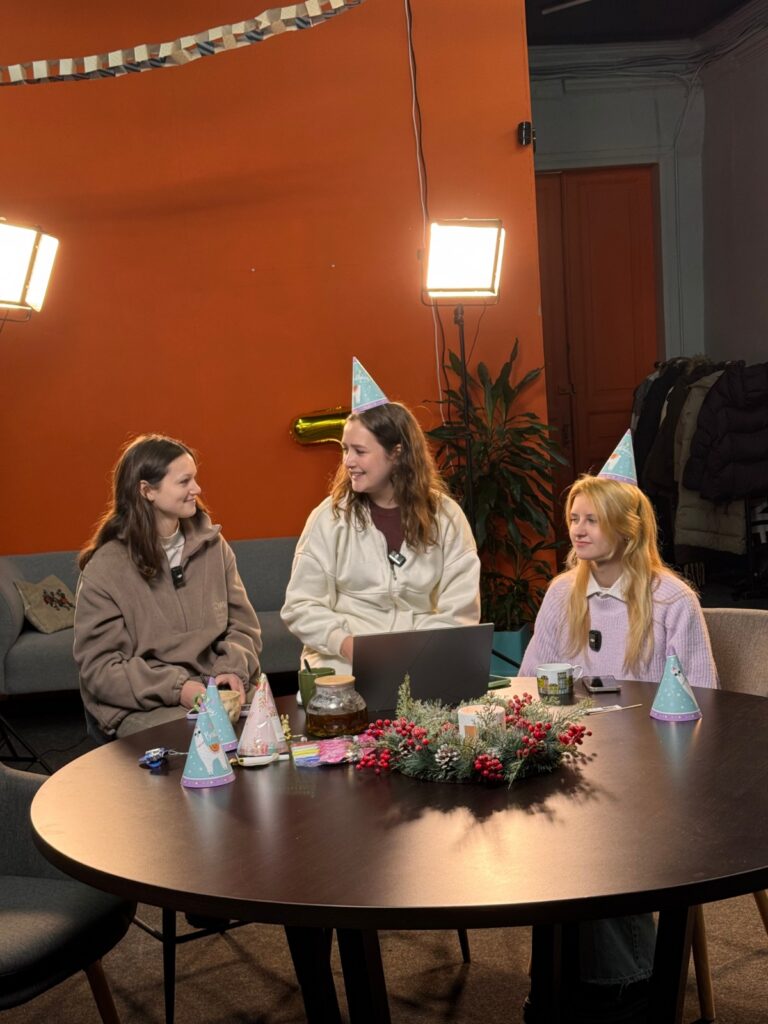
To ease the workload and optimize processes, the team активно uses artificial intelligence. For example, they use an AI assistant for editorial, communications, and management tasks.
— But it is important to note: AI is a tool, not a replacement for journalists. We do not use it to generate texts for publication. Instead, we use it for drafts, analysis, and routine automation. We have also reduced video editing time from eight hours to three thanks to plugins, — she shares.
Local media can drive real change
What comes next? The team continues to follow its strategy and, as the CEO says, aims to make «Cukr» synonymous with an attractive, vibrant Sumy. So that when people think about the city, they think not about problems, but about opportunities. So that people believe they can create change — and have a community to do so.
— One of our readers once said: «If it weren’t for “Cukr”, I wouldn’t speak so warmly about Sumy and would probably already be living in Kyiv». That is exactly the kind of impact we want to achieve — to have more people like that, — Alona emphasizes.
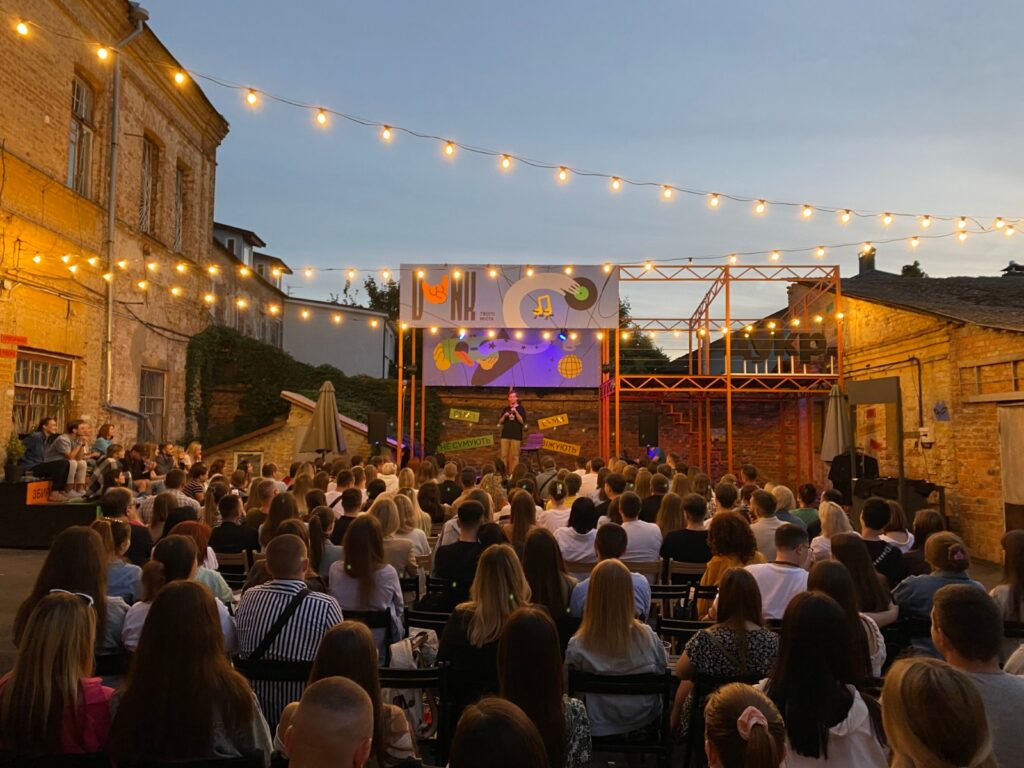
In conclusion, she encourages independent regional and local Ukrainian media to become louder and bolder. This is how they can reach people and explain why it is important to rely on verified sources rather than anonymous Telegram channels, which may be run by Russian actors promoting their own narratives.
— Local media are underestimated, yet they are the closest to communities and the ones that can truly drive change, — she concludes on an uplifting note.
We hope this story inspires you to develop your own media — or the one you currently work in. And if you are a reader, choose trusted sources and support your local media. At the same time, the team of the Association of Independent Regional Press Publishers of Ukraine (AIRPPU) continues to do everything possible to support and strengthen independent media across the country, already reaching more than 150 newsrooms.
Follow our pages so you don’t miss important updates.
**
The International Insurance Fund for Journalists project, organized by the Association of Independent Regional Press Publishers of Ukraine (AIRPPU), is part of the Voices of Ukraine programme, which is included in the SAFE programme coordinated by the European Centre for Press and Media Freedom. The Voices of Ukraine project is implemented within the Hannah Arendt Initiative.