


Obiektyv Media, Accent, and Visnyk Ch share how institutional support helped them develop new formats, strengthen their teams, and find partners.
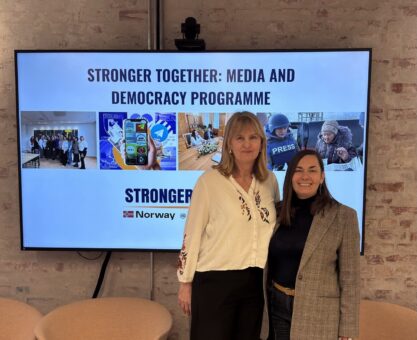
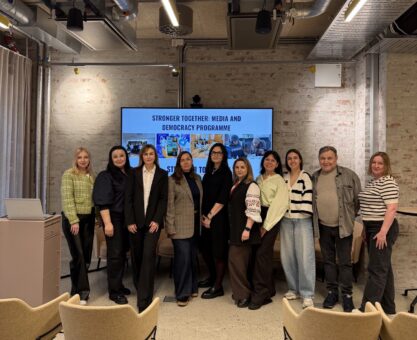
Supporting Ukrainian media today is, on the one hand, about survival — and at the same time about the ability to grow, adapt to new conditions, search for sustainability strategies, and remain important to their communities. We continue to share stories about the changes experienced by newsrooms participating in the Stronger Together: Financial and Organizational Sustainability program. As a reminder, this program is one of the three components of the Stronger Together: Media and Democracy project, implemented by AIRPPU in partnership with the World Association of News Publishers (WAN-IFRA) and the Norwegian Media Association (MBL), with the support of Norway. The program helps regional media become financially stronger, better understand their audiences, and find sustainable operating models during the war and throughout the recovery period.
Previously, we wrote about the experiences of Pershyi Zaporizkyi, Berezan, and Trudova Slava. Now it is the turn of three newsrooms from Kharkiv, Chernihiv, and Zaporizhzhia: Obiektyv Media, Accent, and Visnyk Ch.
Obiektyv Media: A Video Ecosystem, Resilience in Crisis, and a New Strategic Vision
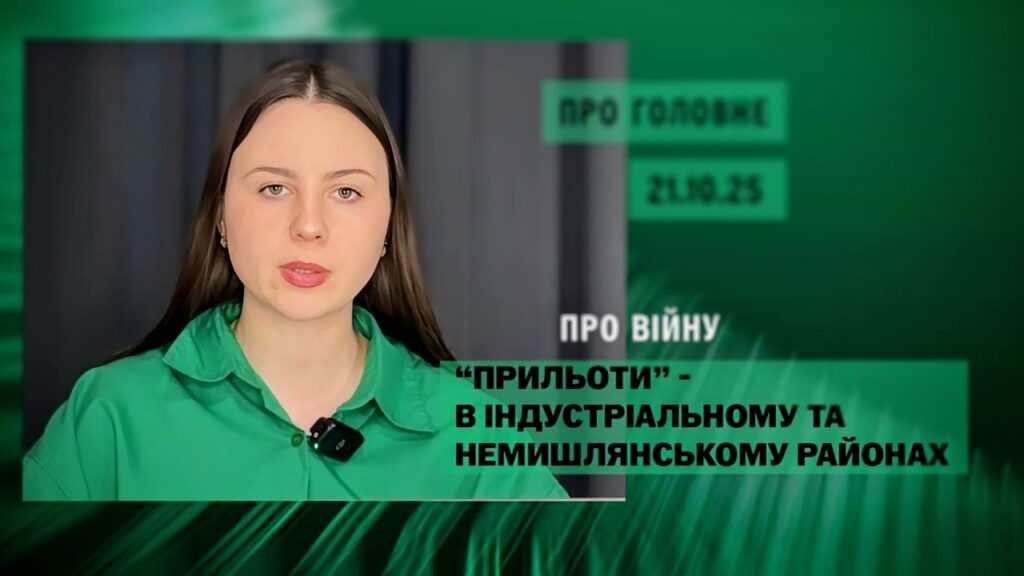
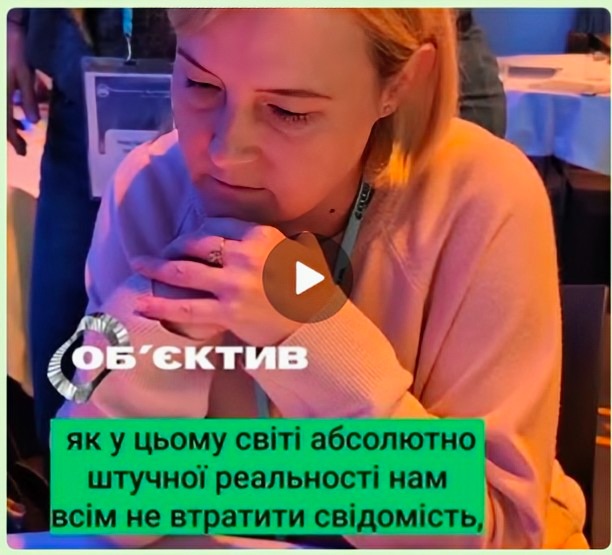
For Kharkiv-based Objektiv Media, participation in the program became the moment when the newsroom was able to build its own ecosystem of video products. Short morning news bulletins became part of the daily routine for many viewers and, as the team says, “consistently gather thousands of views.”
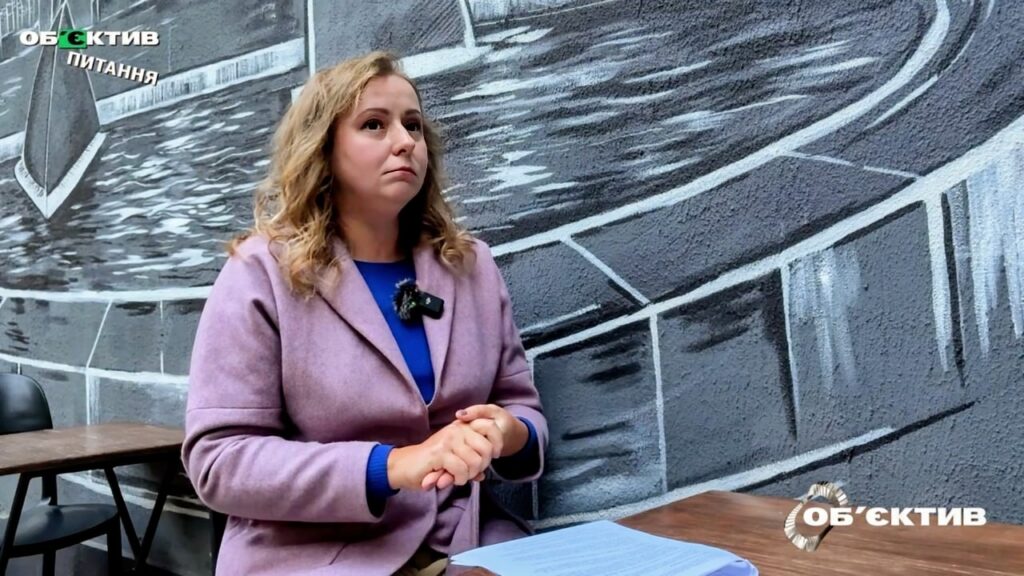
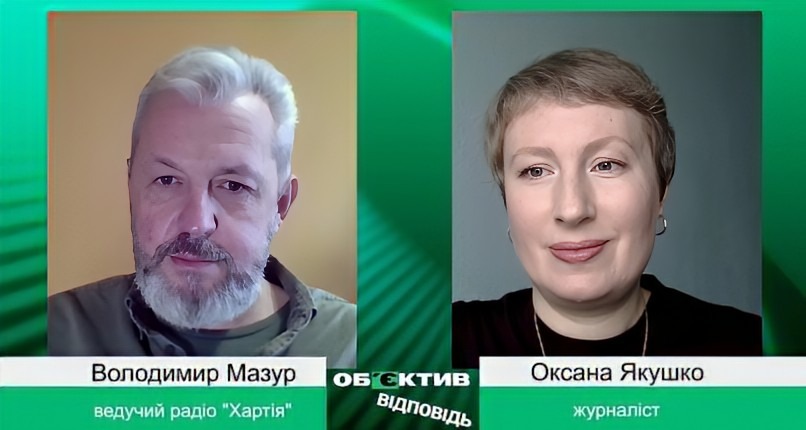
At the same time, a series of interview formats was launched — Ye Vidpovid (There Is an Answer), Ye Pytannia (There Is a Question), and Ye Rozmova (There Is a Conversation). These formats allow one major piece of content to live across multiple platforms: from long-form video to Shorts, TikTok clips, and longreads.
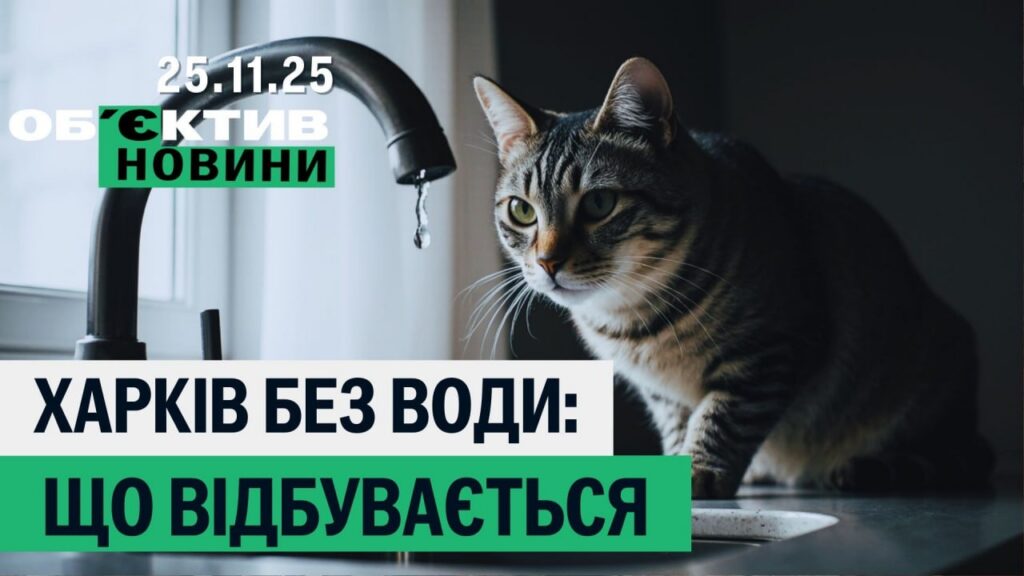
The newsroom even began working on a new section — comics — an idea that emerged after Newsroom Summit 2025. Daily text summaries became a logical continuation of video wrap-ups on YouTube.
The changes are also visible in the numbers: YouTube grew to 62.5 thousand subscribers, TikTok to nearly 58 thousand, while Telegram and Facebook also saw growth. On Facebook, the newsroom was able to activate monetization — an important step that had long remained out of reach. Even when a videographer joined the Armed Forces of Ukraine, the team maintained regular publishing, quickly restoring stable workflows.
Internal operations also became more structured: unified processes for morning video news, evening text summaries, and the news feed; updated guidelines aligned with new Google algorithms; automated Shorts; and the first AI integrations into news formats.
The support also opened up new revenue streams. On a mentor’s recommendation, the newsroom intensified its work on Collaborator.pro and now receives up to ten clients per month. The team prepared documentation for a future sales department, and after presenting at a student advertising festival, gained new contacts and potential team members.
The strongest sense of resilience came after the massive strike on Kharkiv on November 8. The city was without electricity for two days, but news publishing continued uninterrupted. “All planned materials were created and published,” says media director Viktoriia Annopolska.
This was made possible thanks to equipment purchased in advance and the processes the team had already put in place.
Participation in the program also reshaped the newsroom’s strategic vision: training, international events, and mentoring helped the team see how quickly the media landscape is changing — and how important it is not to fall behind the “AI revolution.”
Accent: Rapid Social Media Growth, a Return to Long-Form Journalism, and New Confidence in Development
Zaporizhzhia-based Accent speaks about a different kind of change — the opportunity to finally move beyond a “breaking news only” mode and create large, high-quality materials. The support made it possible to engage news reporters, authors, and feature writers, and for the first time to systematically develop social media. The appearance of an SMM manager became a turning point: social platforms stopped being “extra work” and became a full-fledged direction.
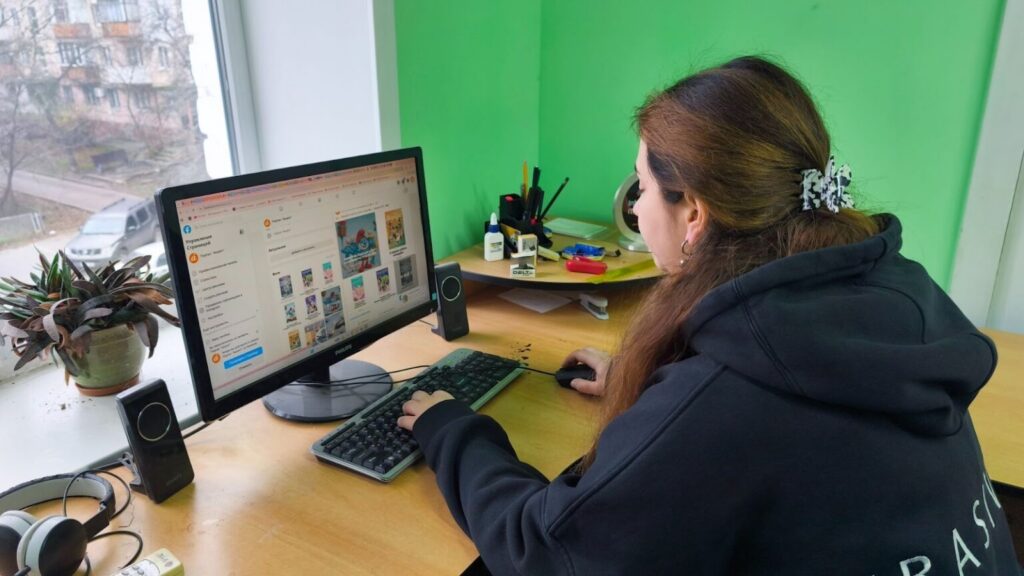
The results are impressive. The Facebook page grew from 4.5 to 12.7 thousand followers and generated more than 12.4 million views. Instagram grew from 48 to 2,150 followers and over 800,000 monthly views. TikTok increased from 5.5 to 11.8 thousand followers, with 1.5 million monthly views. YouTube added two thousand subscribers, and Telegram nearly one thousand.
“We are forming a stable audience of regular readers and supporters.”
People return, comment, share, and react — and this creates a completely different feeling of work.
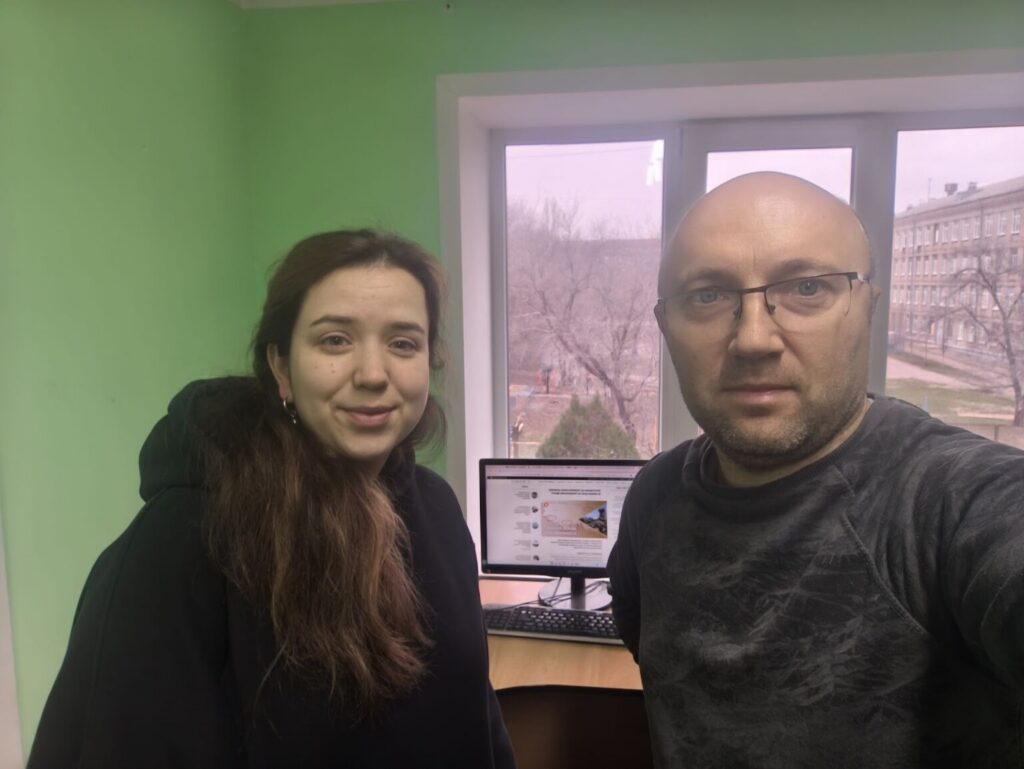
Due to security conditions and family circumstances, it is not always possible for the entire team to gather in the newsroom premises. Still, internal coordination has improved, productivity has increased, and reaction to events has become faster. The team launched a systematic SEO strategy, began actively integrating video into social platforms, and revenues increased by about 30% over several months.
Most importantly, journalists gained the opportunity to work on large analytical and overview materials.
“We were able to devote more time to in-depth topics,” the newsroom says — and readers immediately felt the difference.
“We were able to devote more time to in-depth topics.”
Visnyk Ch: Digital Transformation, Women’s Leadership, and the Power of a Professional Community
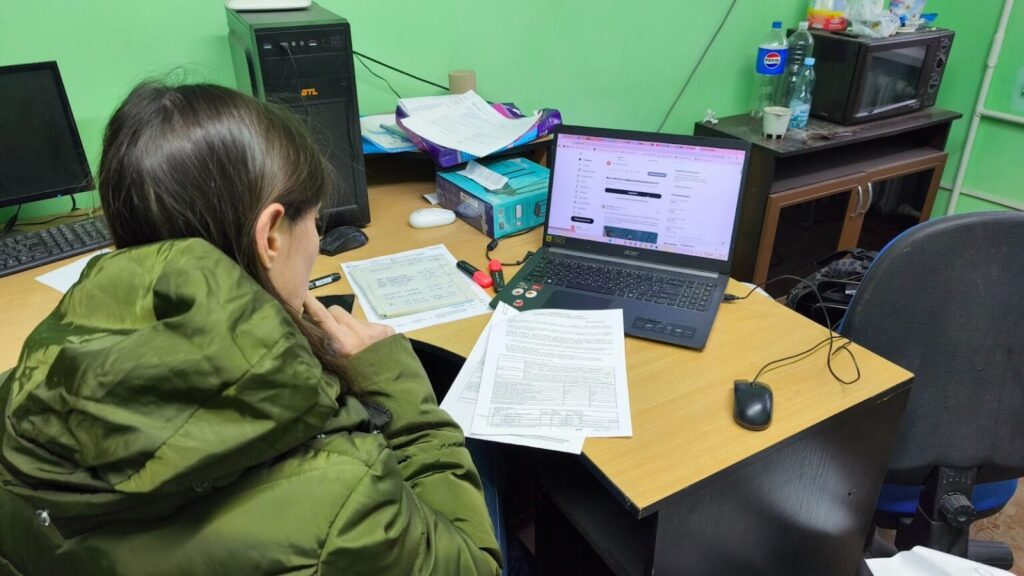
Chernihiv-based Visnyk Ch experienced this period as a time of digital growth and internal rethinking. The newsroom succeeded in motivating and training an SMM manager, and Facebook responded immediately: instead of the expected 20% growth, reach doubled. Monetization increased from $400 to $600–700 per month.
YouTube also became an important direction: the number of subscribers grew from 13 to 18 thousand, and the newsroom has been receiving stable income for three consecutive months.
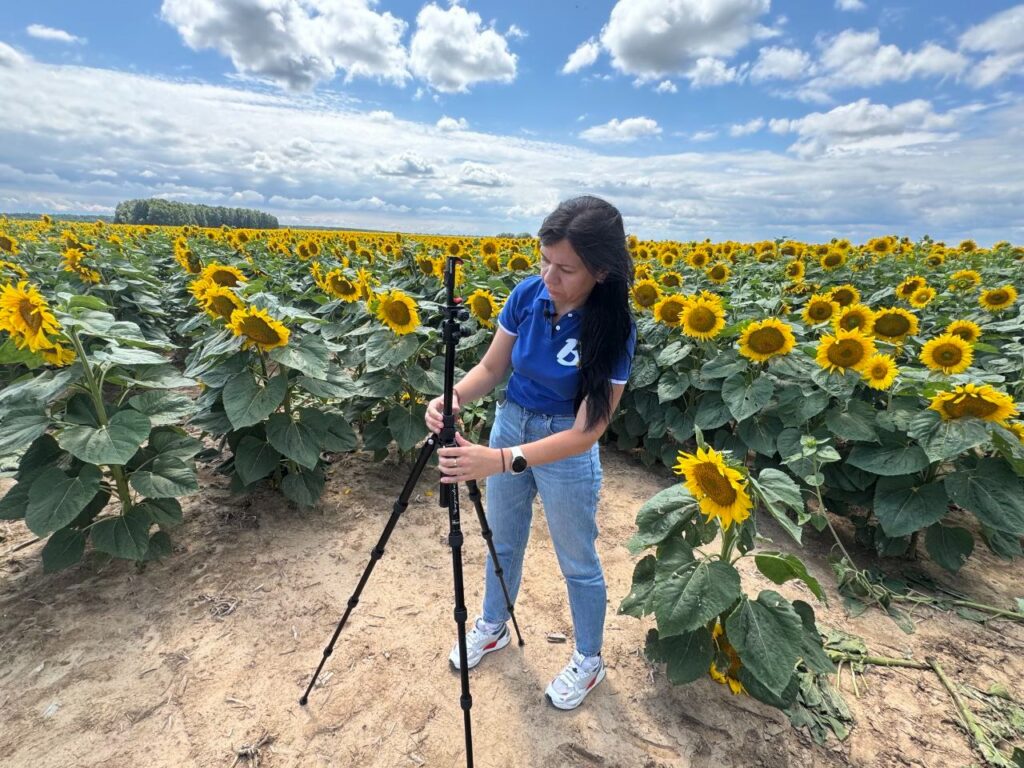
The team moved from short clips to long-form video — interviews, news programs, and compilations. “We realized that long videos are our path,” says journalist and head of the digital department Maryna Osipova.
The print newspaper has retained a stable audience — an achievement in itself under current conditions. Circulation numbers are not declining, and the newsroom expects to maintain them next year with minimal deviation.
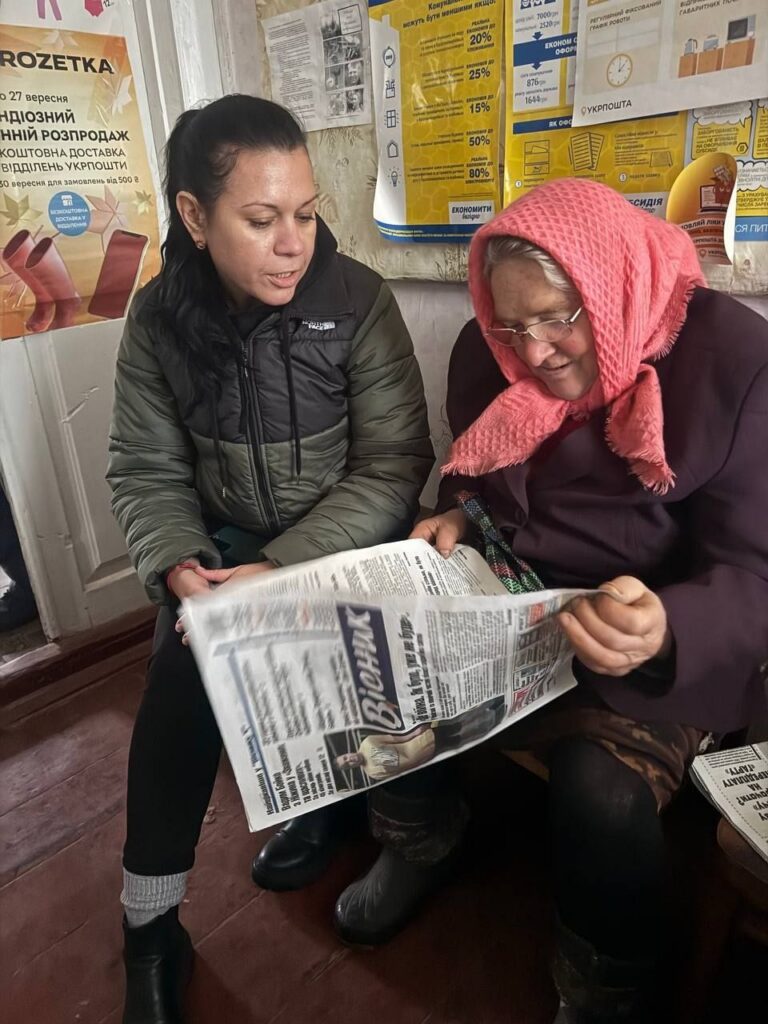
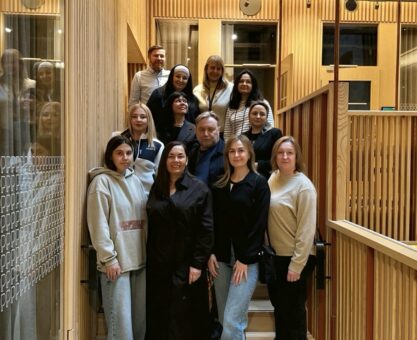
An important component of the program was women’s leadership. Trips to Copenhagen and Norway, meetings with the Politiken newsroom and local print media, provided new reference points — from inclusive policies to monetization models. After a lecture on inclusive newsrooms, the team decided to review its own equality policy.
The newsroom also set itself the task of developing a mechanism for newspaper layout using AI — not as a replacement for a designer, but as a backup tool in case of force majeure. “We want to have a mechanism that allows the newspaper to be published under any circumstances,” the team explains.
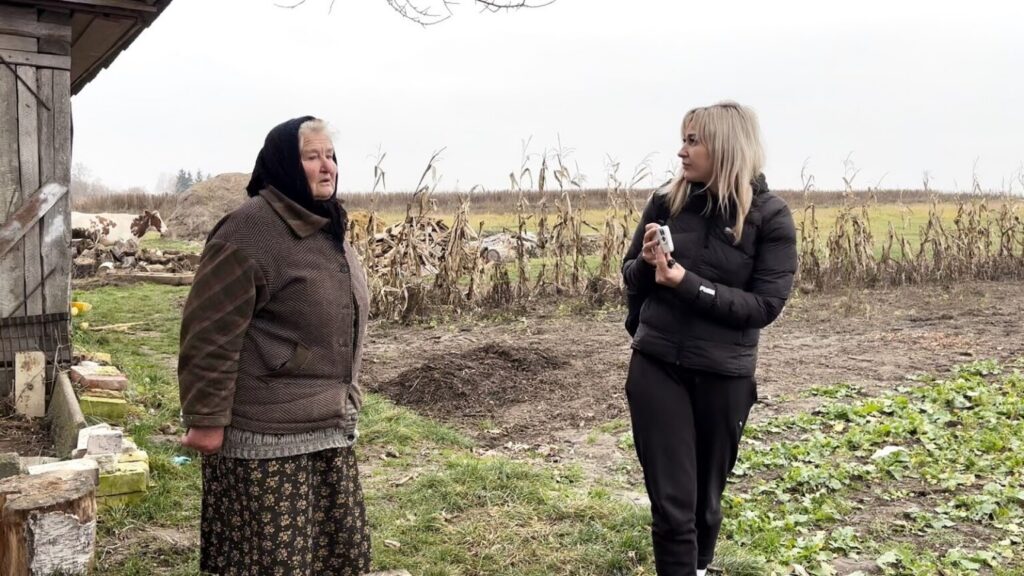
A special value of the program was the professional community that emerged among the newsrooms. Colleagues from other media became partners: they help with YouTube, share experience, and propose joint projects. “This feeling of having someone’s shoulder next to you is very valuable,” says Maryna. After the trip to Norway, informal connections with European media also appeared — potential future collaborations.
Through meetings with colleagues, the newsroom saw how other sustainability models work: communities, merchandise, local partnerships, and crowdfunding. And realized that fundraising is broader than grants alone. It is a direction the team plans to develop next year.
***
Each newsroom has its own path, but they are united by a shared sense of moving forward — and by the understanding that even in times of turbulence, it is possible to find new formats, expand audiences, build sustainability, and feel the support of a community.
These are stories about media that do not stop. And about how development is possible even when resources are limited — if there is a team, knowledge, and people willing to share their experience.
The Stronger Together: Media and Democracy program is implemented by the World Association of News Publishers (WAN-IFRA) in partnership with the Association of Independent Regional Press Publishers of Ukraine (AIRPPU) and the Norwegian Media Association (MBL), with the support of Norway.