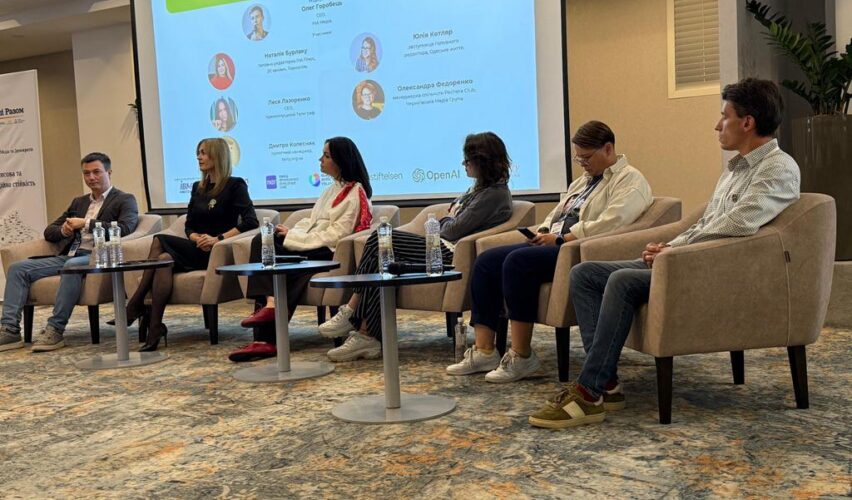
How can media outlets generate revenue beyond traditional advertising and grants? Where can they find new audiences, and are readers willing to financially support local journalism? At the 15th Media Congress, five Ukrainian newsrooms presented business ideas they have already put to the test. They shared not only their successes, but also the approaches they had to rethink and adjust along the way.
The panel discussion, “5 Real Business Ideas for Your Media Outlet. Innovative Media Ukraine,” took place as part of the 15th Media Congress with the support of the Media Development Investment Fund (MDIF).
During the session, five newsrooms presented the results of the second round of the Ukraine Innovative Media Program, implemented by MDIF in partnership with the Association of Independent Regional Press Publishers of Ukraine (AIRPPU).
The participating newsrooms were represented by Nataliia Burlaku, Editor-in-Chief of 20 minut in Ternopil; Lesia Lazorenko, CEO of Kremenchutskyi Telegraf; Yuliia Kotliar, Deputy Editor-in-Chief of Odesa Life; Oleksandra Fedorenko, Community Manager of Pechera Club at Chernihiv Media Group; and Dmytro Kolesnyk, Project Manager at TEXTY.org.ua.
At the start of the panel, Oksana Brovko, Executive Director of AIRPPU, read out a message from the Media Development Investment Fund (MDIF) team, who were unable to attend the Media Congress in person. In their message, the partners expressed their support for Ukrainian media professionals and highlighted their remarkable ability not only to keep their newsrooms running amid the war, but also to continue developing their organisations, experimenting with new approaches and exploring new models for sustainability.
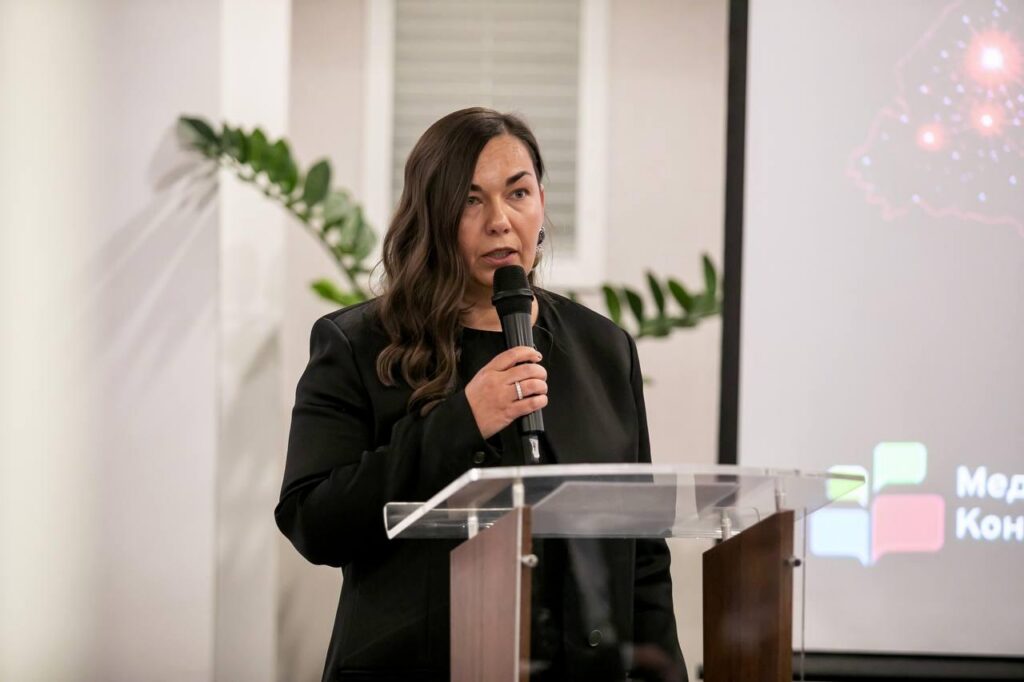
“All five participants in our programme achieved impressive results over the past year. We warmly congratulate them and are proud to have been able to contribute to the work of these teams. We hope that their experiences and the lessons learned from implementing their projects will prove useful and inspiring to everyone attending the Media Congress,” the MDIF team said in its message.
These results provided the starting point for the discussion. Each newsroom began with a different challenge: some were looking for new ways to engage with readers, while others were exploring additional revenue streams, ways to reach new audiences, or opportunities to monetise the skills and expertise already within their teams.
The result is five different experiments and five practical models that can now be assessed not only by the ideas behind them, but also by their tangible results, the challenges encountered along the way, and the lessons learned.
Pechera Club: Are Readers Willing to Pay to Be Part of a Community?
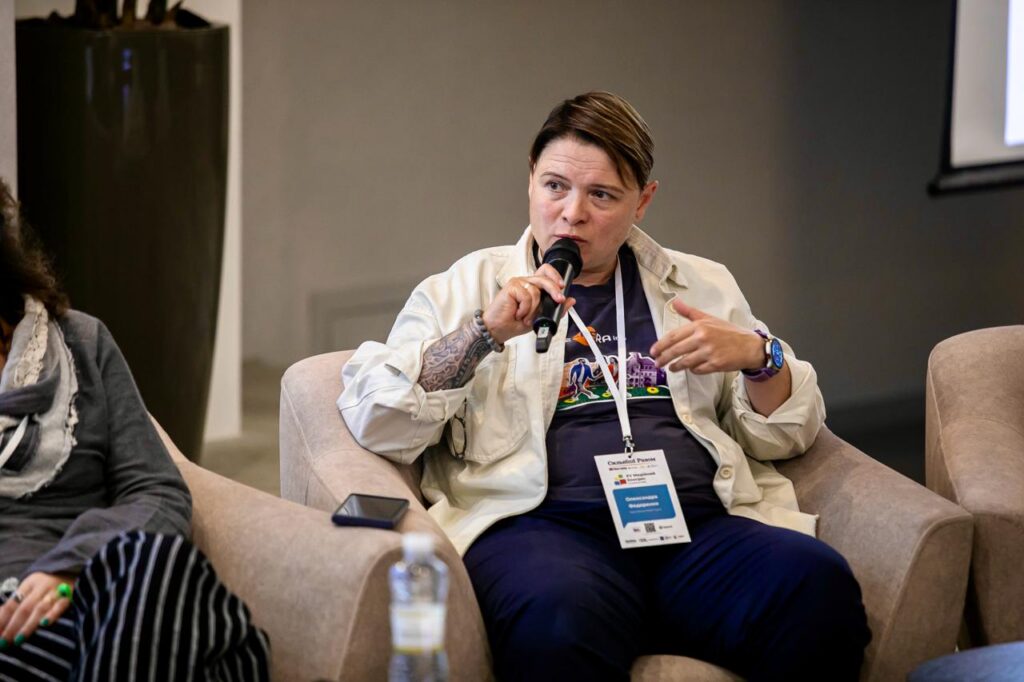
Chernihiv Media Group set out to test whether its audience could become more than just readers — whether it could grow into an engaged community willing to financially support the newsroom.
The initiative grew out of Pechera.info, an online magazine launched in October 2024 as a slow-media outlet producing 100% original content, including reviews, explainers, columns, interviews, in-depth features and quizzes.
In August 2025, the team launched Pechera Club, a membership community built around the publication. Members gain access to a private chat and exclusive online and offline events, can engage directly with the newsroom team, and suggest topics for future stories.
Fourteen months later, the club had 184 active members, generating around UAH 30,000 in monthly revenue, with an average contribution of UAH 183. During that period, the team also organised 20 events.
But adding a “Support Us” button proved far easier than actually building a community.
Around 30% of people who start the subscription process do not complete their first payment. The team also discovered that automated messages alone are not enough: new members need a clear introduction to the community, how it works, and what they can expect from their membership. Personal outreach proved to be one of the most effective ways to attract new members.
Not every experiment worked. An attempt to recruit members through Facebook groups for Ukrainians living in Europe, for example, failed to deliver the expected results. The team also had to rethink its initial membership pricing.
One of their key takeaways was summed up simply: “There are no rules and no magic formula.” A reader community can become a source of revenue for a media outlet, but it does not grow on its own — building and sustaining it requires continuous engagement with its members.
Building a community of like-minded people during wartime in a border region is a double challenge. Yet, according to Lyudmyla Smoliar, one of the project’s mentors, the case of Pechera.info demonstrates that a clear strategy can be stronger than adverse circumstances:
“The war is undoubtedly one of the key obstacles to the development of local media communities in Ukraine, but it is certainly not the only one, and sometimes it is not even the main one. In the case of the Chernihiv-based outlet Pechera.info, there are so many other positive factors that support community development: a focus on offline and in-person interaction, the editorial team’s extensive previous experience in organizing events, a very deep understanding of its audience, and the commitment of the people responsible for the outlet to developing the community. All of this means that the war may slow progress — and it does — but it cannot stop or undo it. Working with Pechera.info has been one of my best mentoring experiences, and I will definitely remain a member of this media community even after our collaboration comes to an end.”
Odesa Life: YouTube Was the Plan, but Facebook Became the Biggest Earner
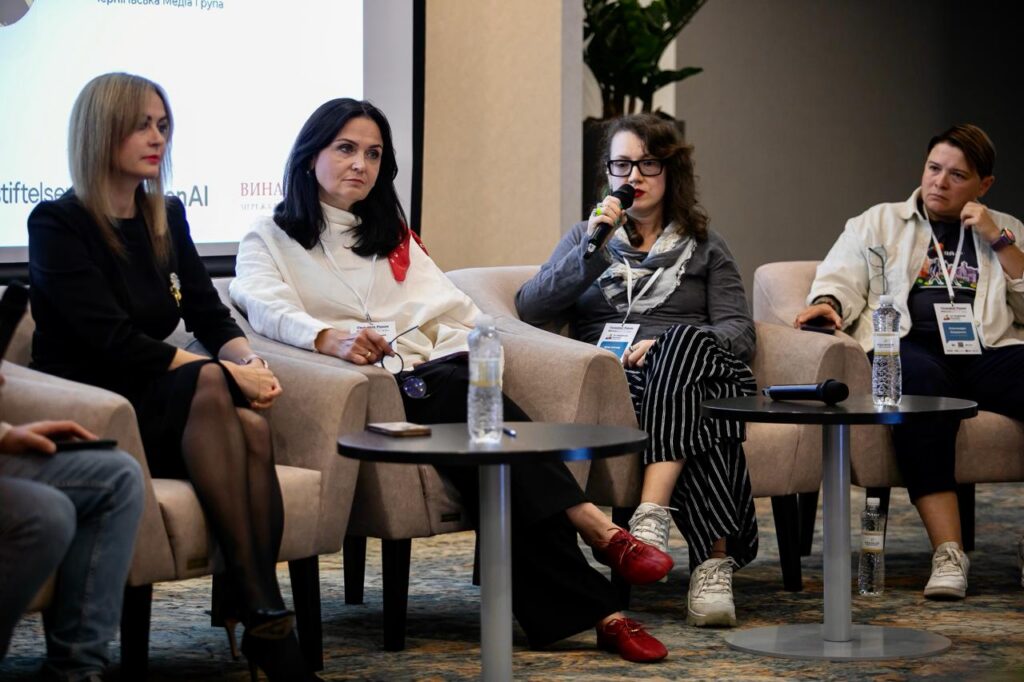
Odesa Life started out with a plan to build a YouTube community and increase its overall social media revenue.
The newsroom wanted to grow its YouTube monetisation, take a more systematic approach to selling advertising integrations, and build a paid reader community. But as the project developed, the team realised that relying too heavily on a single platform made little sense.
What emerged was a cross-platform model combining YouTube, Facebook, Instagram, direct advertising and financial support from the audience.
Average monthly YouTube revenue increased from around $34 to $148. Between January and August 2026, the channel generated nearly 849,000 views and gained more than 5,500 new subscribers.
At the same time, the newsroom stepped up its direct advertising sales, introducing YouTube integrations and sponsored social media posts. Some advertisers returned for repeat campaigns and multi-placement packages.
Audience support also began to generate revenue. By August, the newsroom had 22 active paid subscriptions through Monobank and YouTube Memberships.
The biggest surprise, however, came from Facebook. Over eight months, the page generated 130.7 million views, gained nearly 14,000 net new followers, and brought in $6,186 in monetisation revenue.
Those results prompted the team to rethink its original strategy. Instead of investing resources in growing a second Facebook page, the newsroom shifted its focus to Instagram.
The experience of Odesa Life highlighted a broader lesson: for a media outlet, the goal is not simply to find the platform that generates revenue today, but to build a system in which the same content can work across multiple platforms and support several revenue streams.
TEXTY.org.ua: Bringing In-Depth Analysis to YouTube
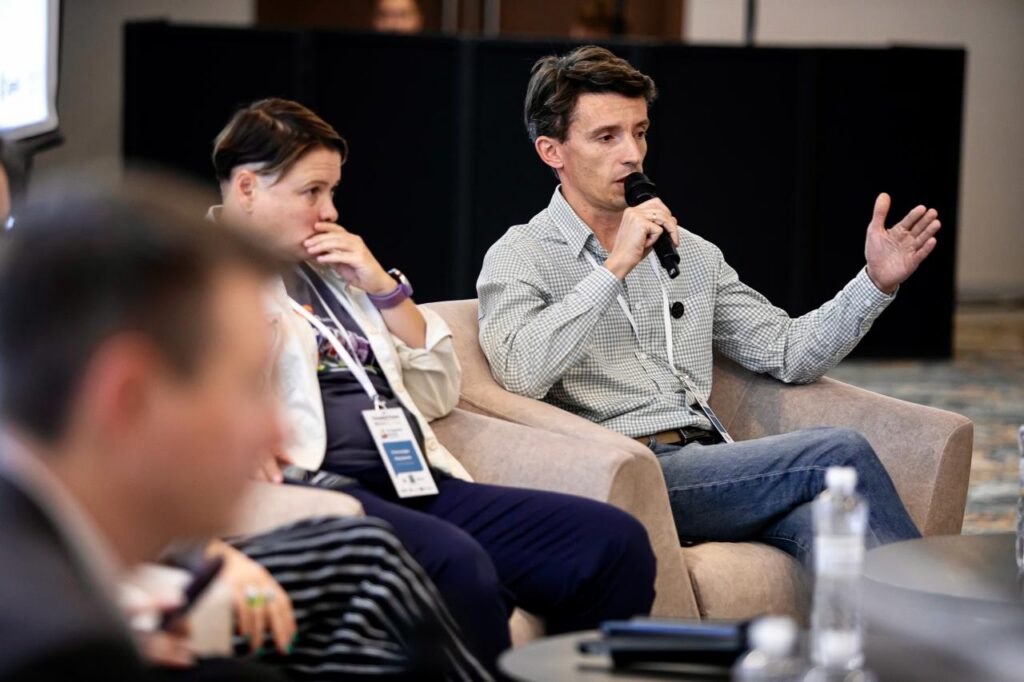
TEXTY.org.ua faced a different challenge. Known for its in-depth journalism and data-driven projects, the newsroom set out to develop YouTube not simply as another channel for distributing stories from its website, but as a standalone editorial product.
In-depth analysis remained at the heart of the project. The channel covers topics including life in Ukraine during the war, changes in cities and on the front line, Russian propaganda, and media literacy.
As the project developed, the channel grew from 650 to 14,000 subscribers. The team produced nearly 150 videos, which generated close to one million views in total.
TEXTY.org.ua does not, however, consider the experiment complete. The newsroom is still exploring which topics resonate most strongly with its YouTube audience and has yet to develop a dedicated supporter community on the platform.
The experience of TEXTY.org.ua shows that in-depth analysis does not have to remain confined to long-form text. But bringing analytical journalism to YouTube takes more than putting a journalist in front of a camera. It means creating a distinct editorial product – and learning how to engage a different audience in the language and formats of the platform.
20 Minut: 1.3 Million Views for Stories About Local Businesses
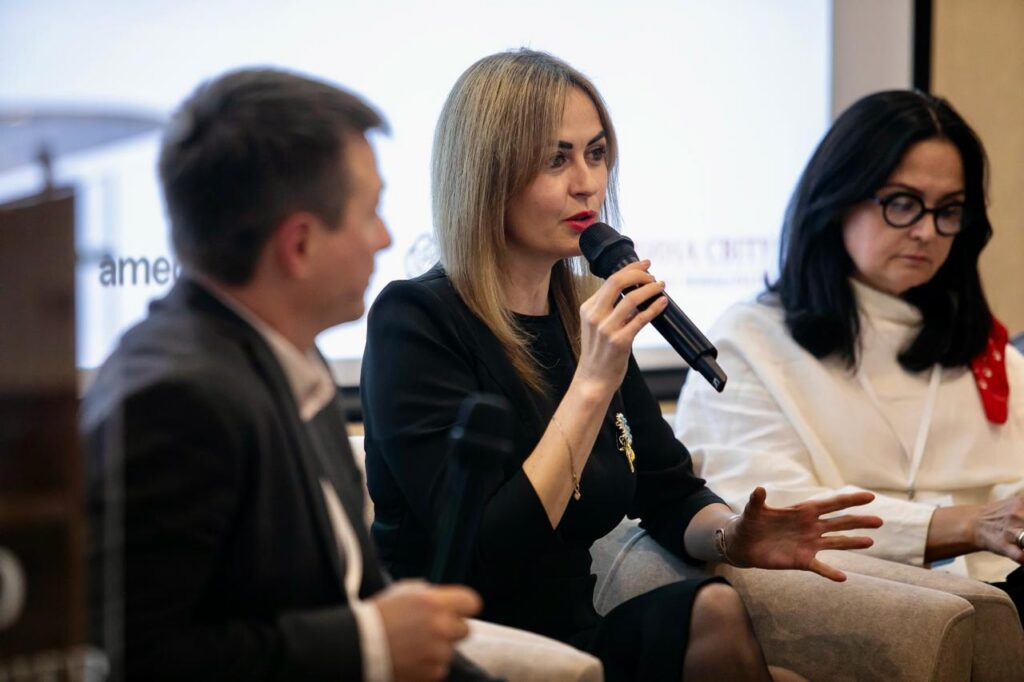
The Ternopil-based newsroom 20 minut decided to build on something local media know particularly well: their city and its entrepreneurs.
That idea became Brands of Ternopil.
The team initially set out to find compelling local brands and tell the stories not only of their products, but also of the people behind the businesses and how those products are made. The concept combined written stories and video, a new native advertising format for businesses, and an interactive map designed to gradually grow into a directory of regional brands.
As a result, the editorial team produced 45 written and video stories, which garnered 2 million views. Over the course of several months, the project generated UAH 360,000, although most of the stories produced are socially significant and are not monetized.
As the project developed, however, the team realised that its potential extended well beyond sponsored content.
For local businesses, it offers a way to tell their brand story and increase their visibility. For audiences, it is an opportunity to discover local producers and the people behind them. And for the newsroom, it provides quality local content, an additional revenue stream, and a way to build stronger relationships with the local business community.
The team’s next steps include strengthening the video component, taking a more systematic approach to advertising sales, better measuring the impact of stories for participating businesses, and continuing to develop the interactive map and brand directory.
In other words, Brands of Ternopil began as a content product but is gradually evolving into a platform that brings together local businesses, the newsroom and its audience.
Kremenchutskyi Telegraf: Making Video Pay Without Compromising Trust

Kremenchutskyi Telegraf faced a different challenge: the newsroom’s video production relied heavily on a single specialist. In wartime, that meant running the risk of suddenly losing the capacity to produce a format that had become important to its audience.
The team therefore set out to build its in-house video production capacity. Three journalists received training, and video gradually became part of the newsroom’s daily workflow.
The shift also delivered financial results. Today, digital accounts for 55% of the newsroom’s advertising revenue, a share that has increased by 15% since the project began. At the same time, the team piloted a commercial video production service, generating $2,000 in revenue.
There was clear demand. The newsroom secured its first clients, brought in a sales manager, and saw an opportunity to develop the service further.
But this raised a more difficult question: should journalists be producing editorial content while also creating commercial videos for clients?
Kremenchutskyi Telegraf concluded that scaling this model within the newsroom could create conflicts of interest.
The next step, therefore, is to establish a separate production unit to handle commercial projects – from scripting and filming to editing, sales and client management – independently of the editorial team.
In this case, an experiment in monetisation led to another important lesson: a new revenue stream should never come at the expense of audience trust in the newsroom.
Don’t Look for a “Magic Formula”
The five newsrooms came to the panel with different products, different audiences and different business hypotheses. But what proved particularly revealing was that almost none of the original ideas remained unchanged.
Odesa Life set out to develop one model, only for Facebook’s performance to prompt the team to reallocate its resources. Kremenchutskyi Telegraf tested demand for commercial video production – and decided it needed to be kept separate from journalism. 20 minut began with stories about local brands but discovered the potential to build a broader local business community. TEXTY.org.ua continues to explore which formats work best for its new audience. And Pechera Club demonstrated that even when readers are willing to pay, that is only the beginning of the long-term work required to build and sustain a community.
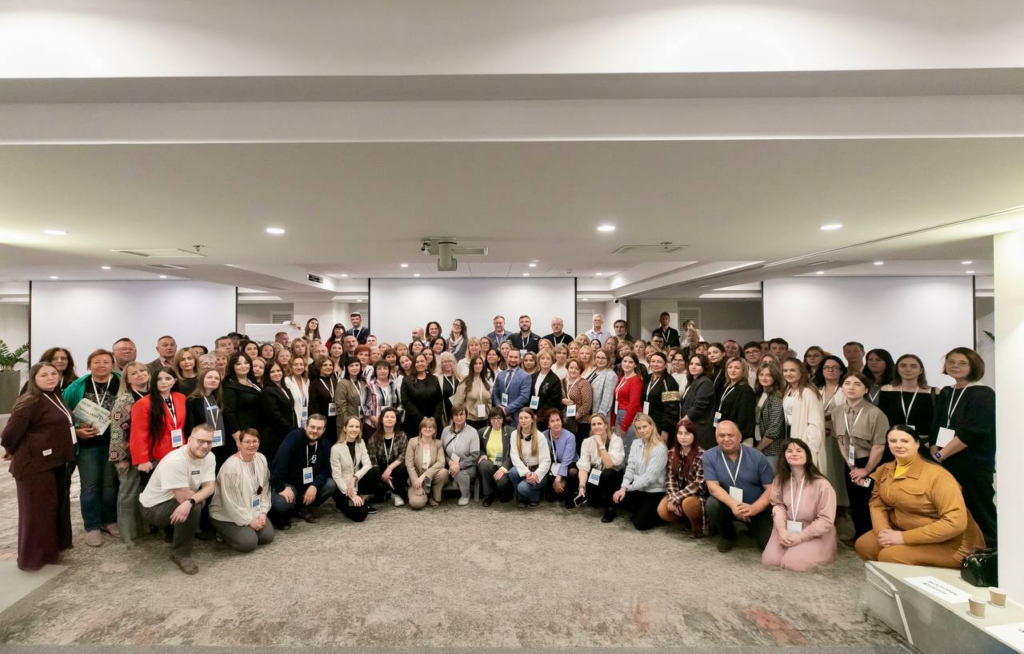
“Nearly 200 media professionals from across Ukraine gathered at the 15th Media Congress and heard first-hand about the experiences of these five newsrooms. This kind of exchange of practical solutions is particularly valuable today: an idea that works for one newsroom can inspire another to experiment, discover new revenue streams, engage more effectively with its audience and strengthen its financial resilience.
Even in wartime, Ukrainian media are not only continuing to do their jobs – they are also looking for new ways to grow. And sometimes, the experience of fellow media professionals can provide exactly the inspiration needed to spark the next business idea,” said Oksana Brovko, CEO of AIRPPU.
It is worth noting that MDIF is an international nonprofit organization that has supported independent media in Ukraine since 1996. The Association of Independent Regional Press Publishers of Ukraine (AIRPPU) and MDIF have a long-standing partnership supporting regional media outlets across Ukraine.